QIAwave DNA Blood & Tissue Kit – Eco-friendlier DNA Extraction

相比标准试剂盒更环保的替代方案,用于从动物血液和组织、细胞、酵母或细菌中提取总 DNA

想首次尝试此解决方案吗?
立即联系我们的团队,为您的 QIAwave DNA Blood & Tissue Kit (50) 试用版试剂盒索取报价。

QIAwave DNA Blood & Tissue Kit (50) icon_0368_ls_gen_eco_friendly-s

目录编号 / ID.   69554

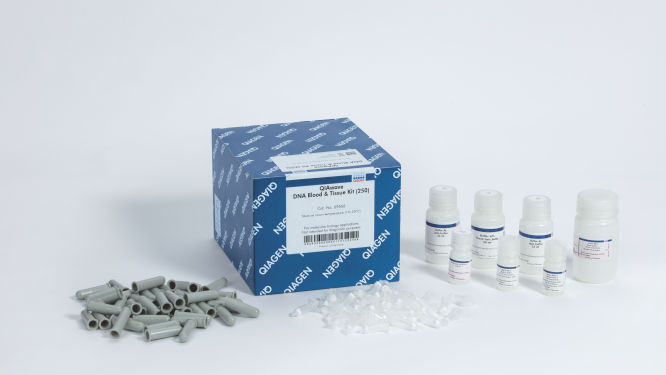
50 个 DNeasy Mini 离心柱、蛋白酶 K、缓冲液、废液管 (2 mL)。 
Kit试剂盒组成
Eco-friendlier kit
Eco-friendlier Collection Tubes
制备
50
250
QIAwave DNA Blood & Tissue Kit 旨在用于分子生物学应用。该产品不能用于疾病诊断、预防和治疗。
想首次尝试此解决方案吗?
立即联系我们的团队,为您的 QIAwave DNA Blood & Tissue Kit (50) 试用版试剂盒索取报价。

特点

  • DNA 质量和性能与 DNeasy Blood & Tissue Kit 完全相同
  • 与 DNeasy Blood & Tissue Kit 相比,可减少多达 62% 的塑料和多达 58% 的纸板
  • 由 100% 消费后再生塑料制成的重复使用型废液管
  • 缓冲浓缩液比标准缓冲液少用多达 90% 的塑料


产品详情

QIAwave DNA Blood & Tissue Kit 是标准 DNeasy Blood & Tissue Kit 的环保型版本。该试剂盒比我们的标准试剂盒少用多达 62% 的塑料和 58% 的纸板,并提供由 100% 消费后回收塑料制成的废液管,您可以在整个过程中重复使用。QIAwave 缓冲液为浓缩液,每瓶可减少多达 90% 的塑料用量。为节省纸张,试剂盒中没有印刷的方案。您可以从 Resources(资源)中下载方案,或扫描试剂盒盖上的二维码。虽然我们的 QIAwave Kit 包装和组件看起来可能有所不同,但其与我们的标准试剂盒一样易于使用,并且化学成分和性能也完全相同。请注意,您需要无菌玻璃瓶来重组缓冲液。

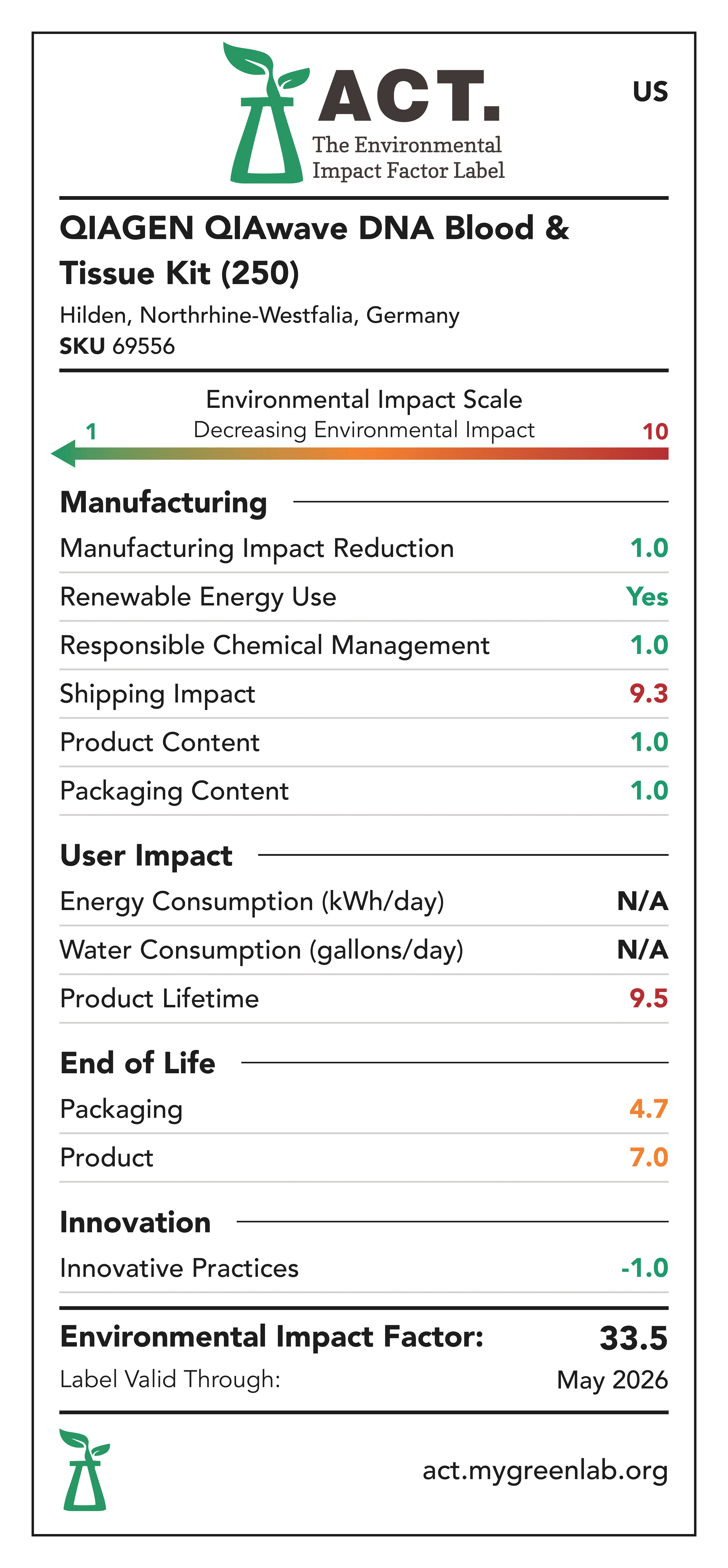
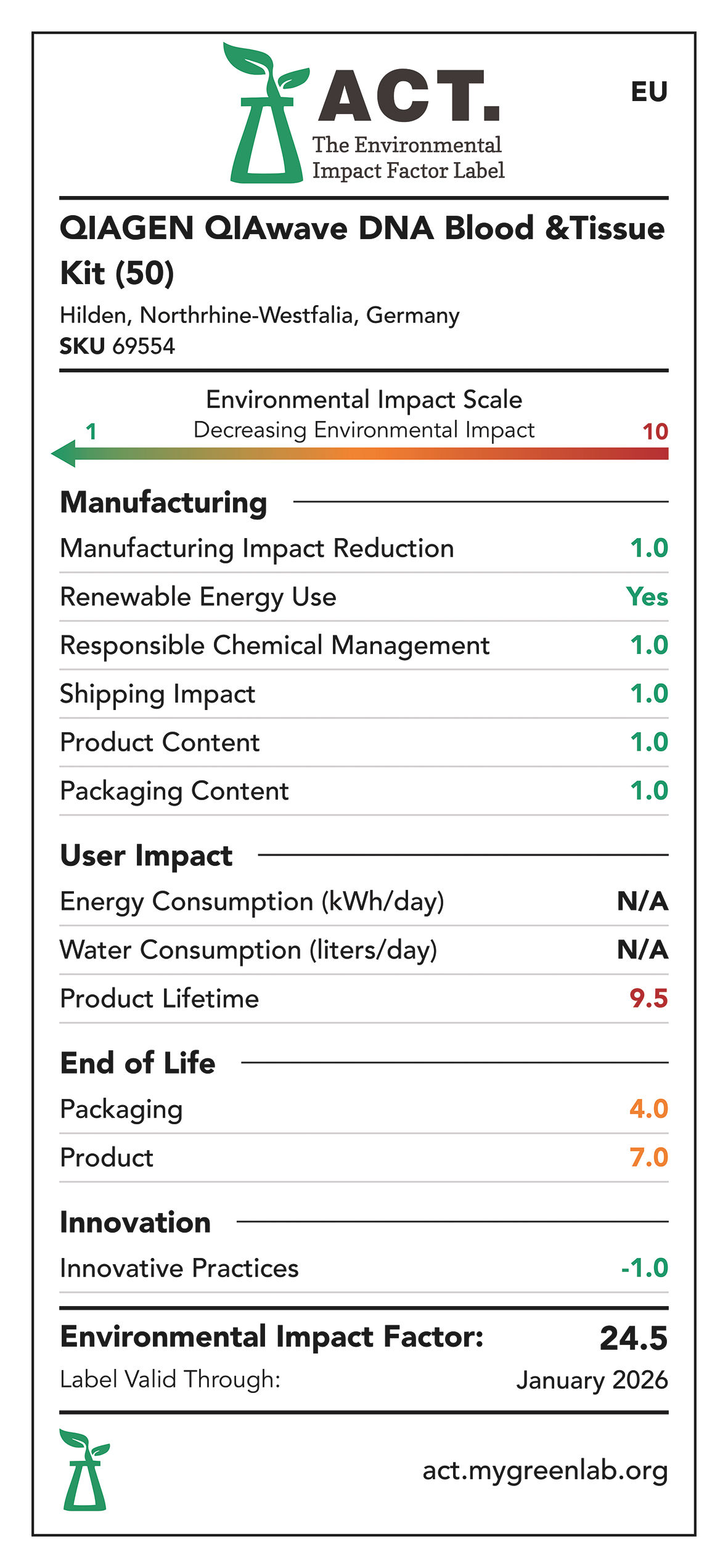
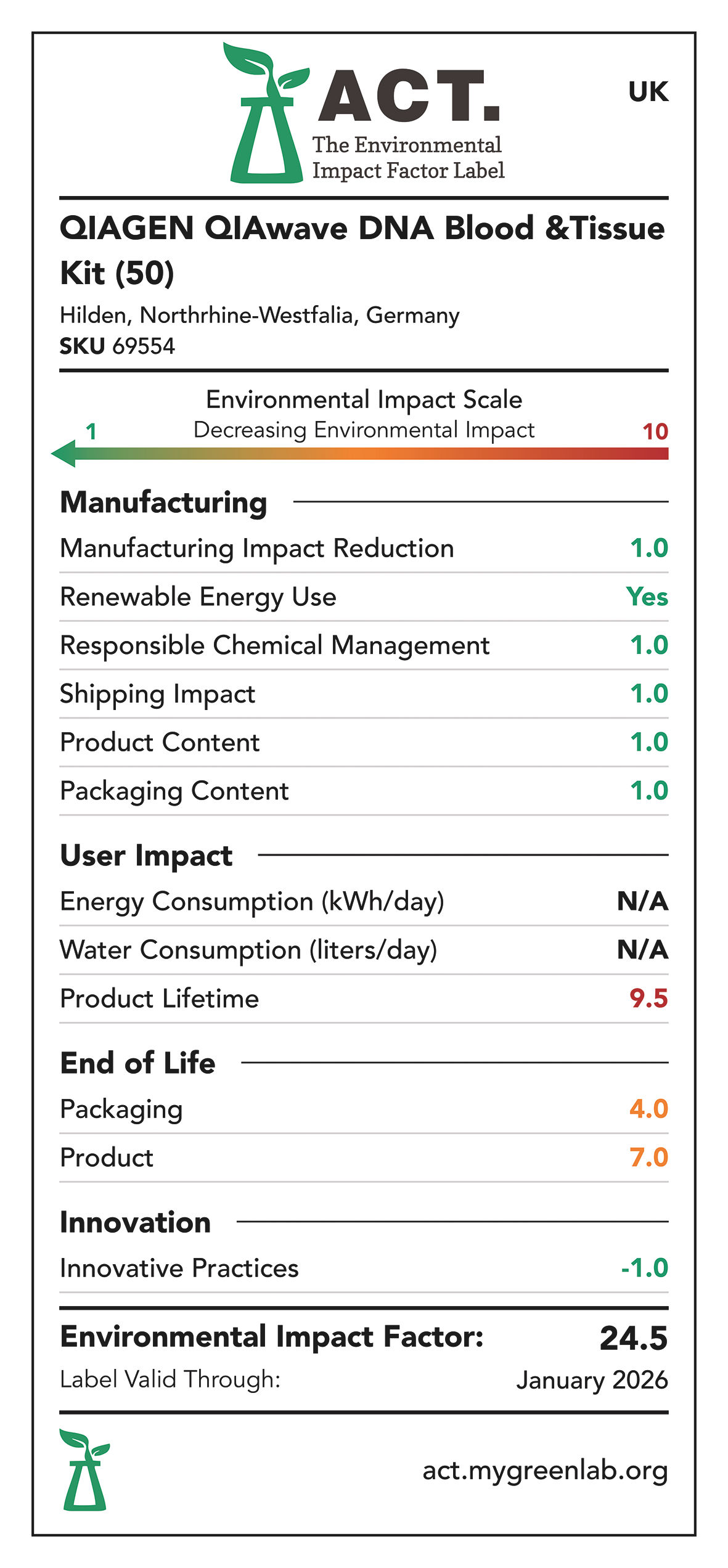
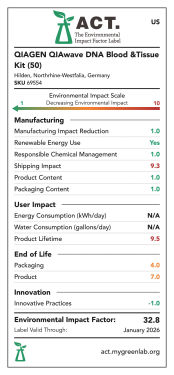
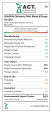
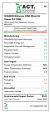
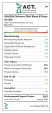
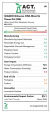
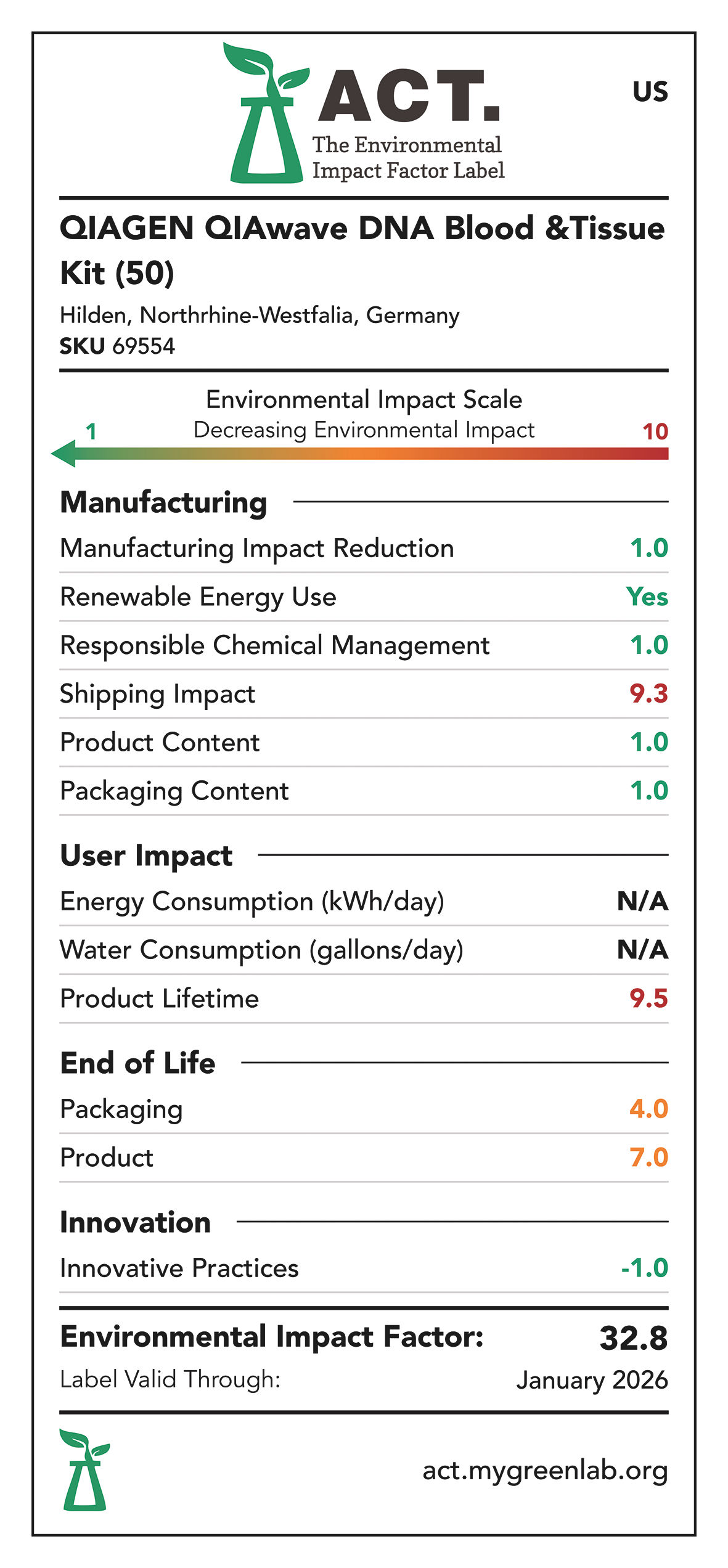
我们与 My Green Lab 合作,评估了该试剂盒对环境的影响。My Green Lab ACT 标签根据若干可持续性标准对产品进行评估和评分:

• 制造
• 负责任的化学品管理
• 产品和包装材料中的可持续内含物
• 包装报废时的处置

除能耗和水耗分别按每 kWh 或每加仑 1 分计分外,其他产品均按 1-10 分计分。分数低意味着影响较小(请参阅图“QIAwave DNA Blood & Tissue Kit ACT 标签 US  50/ 250、 EU  50/ 250 和 UK  50/ 250”)。
QIAwave Kit 使用硅胶型离心柱进行纯化,大多数样本可直接用蛋白酶 K 裂解。这意味着:

• 无机械破坏
• 无有机萃取
• 无酒精沉淀

标准方案可让您从动物血液和组织中提取总 DNA。我们还开发了用于其他样本类型的方案,以确保您获得数量可重现的优质 DNA,无论您是从事生命科学、基因分型还是兽医病原体研究。您还可以在 QIAcube Connect 上自动进行样本提取。
绩效

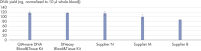
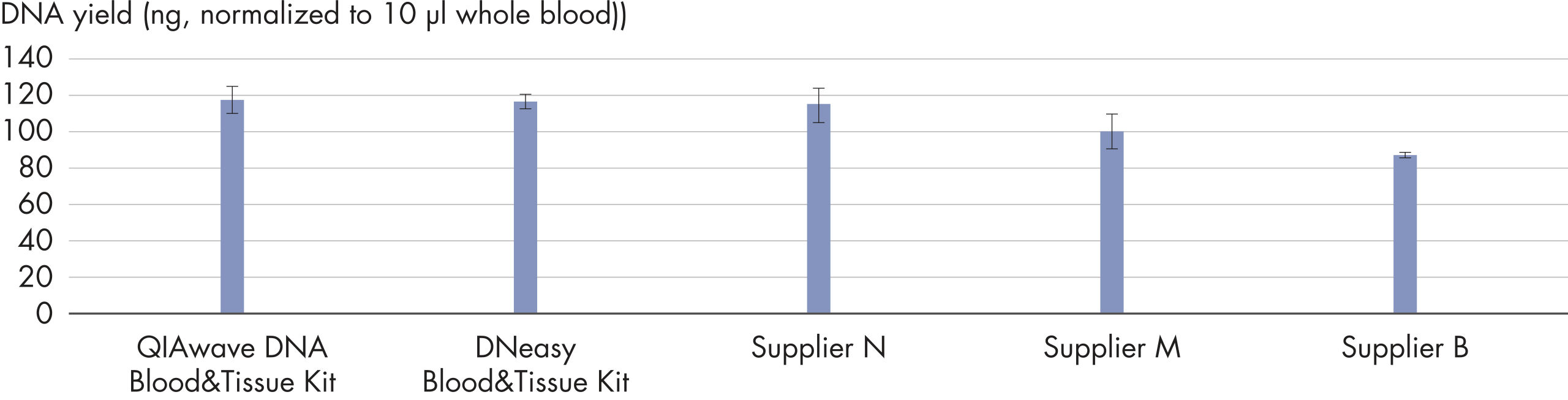
由于化学成分相同,QIAwave DNA Blood & Tissue Kit 和 DNeasy Blood & Tissue Kit 性能完全相同。我们还证明,这两款试剂盒的性能均优于竞争对手的试剂盒(请参阅图“ QIAwave DNA Blood & Tissue Kit 性能”)。
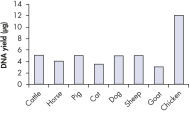
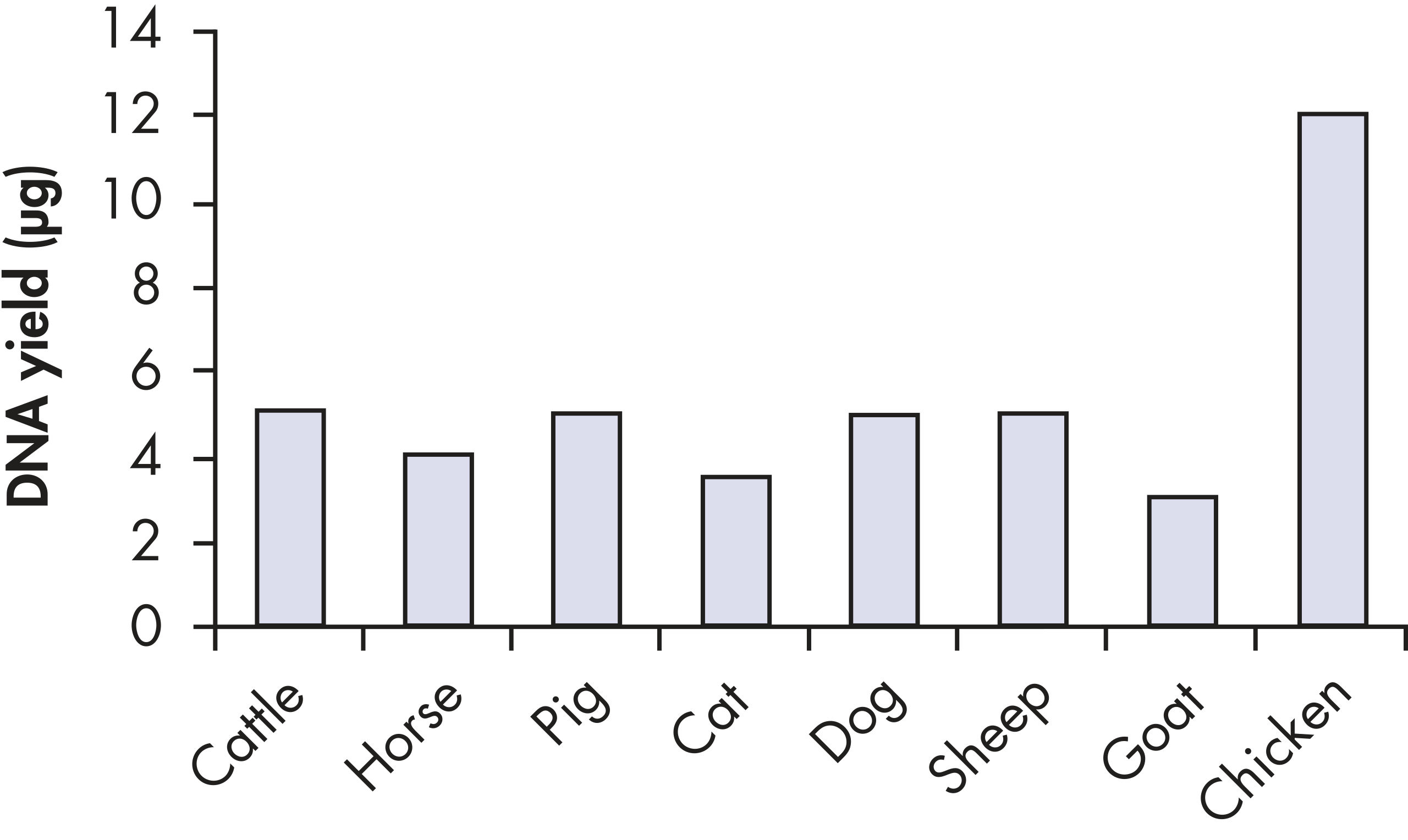
QIAwave DNA Blood & Tissue Kit 的标准方案可从动物血液和组织样本中获得高产量的总 DNA(请参阅表“使用 QIAwave DNA Blood & Tissue 从动物组织中获得的典型 DNA 产量”和图 “DNA 产量”)。但我们也提供优化方案,以确保从以下非标准样本类型中获得高产量:

  • 动物毛发
  • 培养细胞
  • 革兰氏阳性和阴性菌
  • 酵母
  • 昆虫
  • 其他样本类型

使用 QIAwave DNA Blood & Tissue Kit 从动物组织中获得的典型产量

来源 数量 DNA(µg)
哺乳动物血液 100 µL 3–6
鸟血 5 µL 9–40
HeLa 细胞 2 x 10⁶ 15–25
肝脏 25 mg 10–30
大脑 25 mg 15–30
肾脏 25 mg 15–30
脾脏 10 mg 5–30
小鼠尾 1.2 cm(尖端) 10–25
大鼠尾 0.6 cm(尖端) 20–40
猪耳 25 mg 10–30
马鬃 10 根毛发 2–4
鱼鳍 20 mg 10–20
鱼卵(鲭鱼) 10 mg 5–10

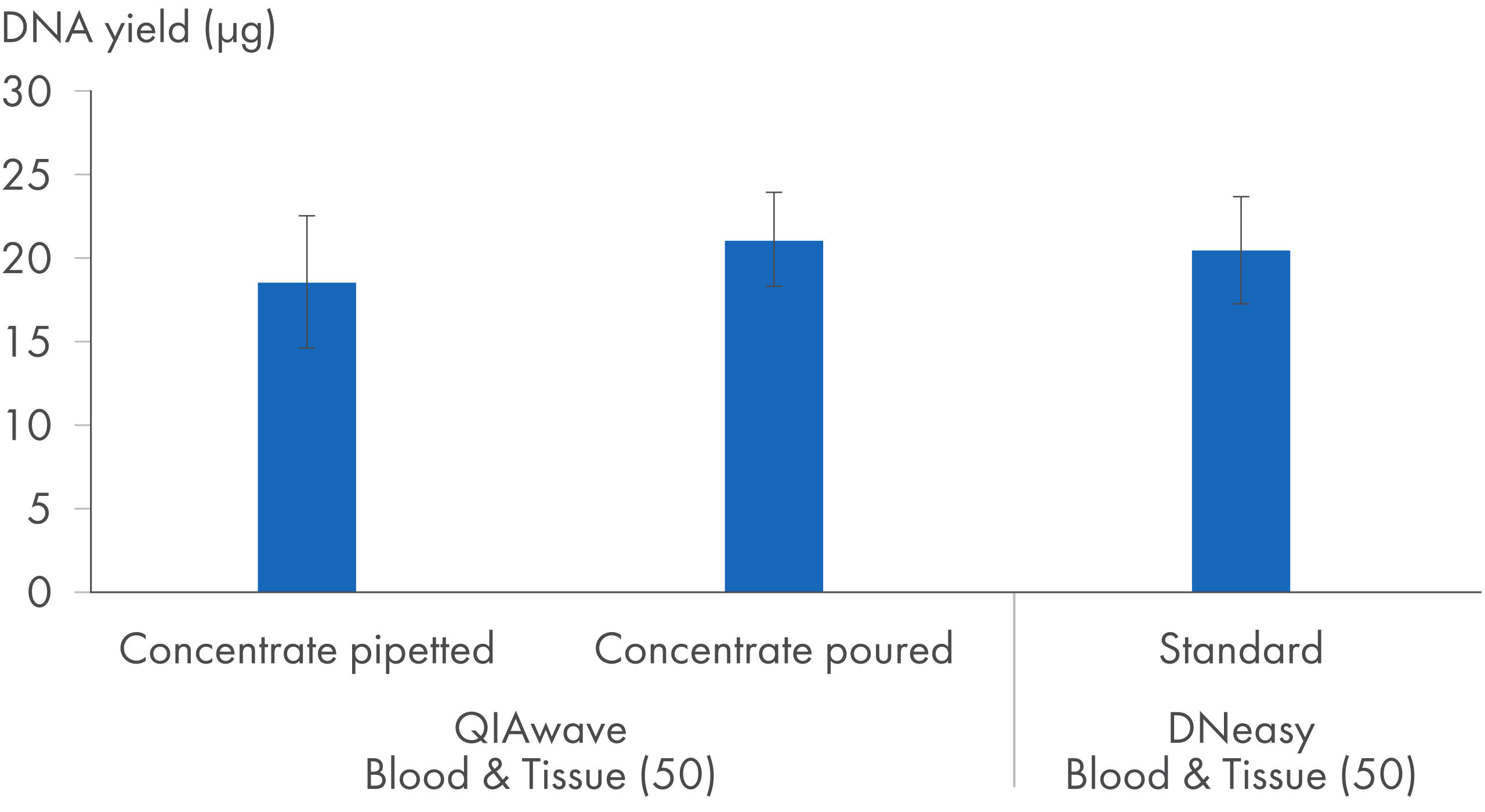
我们还比较了使用 QIAwave DNA Blood & Tissue Kit (50) 缓冲液(通过移液或倾倒制备)和 DNeasy Blood & Tissue Kit (50) 标准缓冲液获得的 DNA 产量。两种方法得到的 DNA 产量相当,如图“ 缓冲浓缩液的处理”所示。


原理

QIAwave DNA Blood & Tissue Kit 可快速纯化不同类型样本中的总 DNA(例如基因组、线粒体和病原体),包括新鲜或冷冻动物组织和细胞、血液或细菌。
该膜将硅胶膜的结合特性与简单的微离心技术相结合。DNA 会在存在高浓度离液盐的情况下吸附到膜上,从而去除溶液中水合分子中的水分。缓冲液条件可使 DNA 特异性吸附至硅胶膜,并去除污染物及酶抑制剂。
整个纯化过程无需苯酚/氯仿萃取或酒精沉淀,且操作步骤极少,因此可轻松实现多样本同步处理。

程序

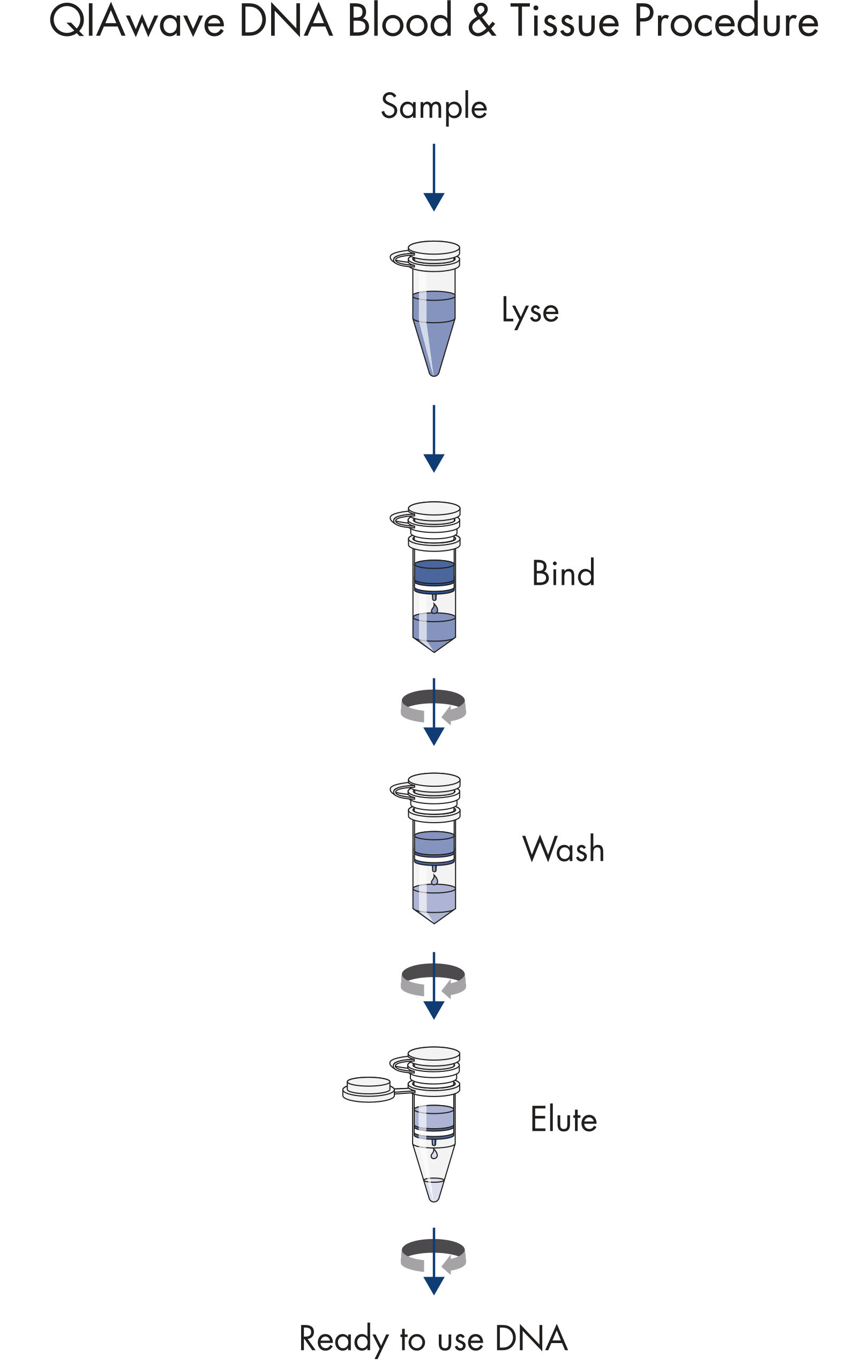
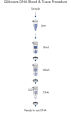
QIAwave DNA Blood & Tissue Kit 使用含有硅胶膜的 DNeasy Mini Spin-Column 纯化 DNA。这使得该过程快速且可重复,同时可避免人工和有机萃取或酒精沉淀(请参阅流程图“ QIAwave DNA Blood & Tissue Kit 程序”)。

纯化优质 DNA 的四个简单步骤:

  1. 在蛋白酶 K 中裂解样本。该缓冲体系为 DNA 结合提供了最佳条件。
  2. 将裂解物加载到 DNeasy Mini 离心柱上。
  3. 对样本进行离心处理。DNA 选择性地结合到膜上,而污染物则被洗脱。
  4. 然后通过两个高效洗涤步骤去除残留污染物和酶抑制剂,最终 DNA 可溶于水或缓冲液中,随时供您使用。

QIAwave 缓冲液为浓缩液,只需加水和/或乙醇即可轻松配制,具体操作请参阅手册。QIAwave DNeasy Mini Spin Column 和 Waste Tube 采用独立包装,使用前需预先组装。此操作虽需额外时间,但能有效减少塑料废弃物。

QIAwave DNA Blood & Tissue Kit 可在 QIAcube Connect 上使用 DNeasy Blood & Tissue Kit 方案进行自动化操作。


应用

QIAwave DNA Blood & Tissue 提供的优质 DNA 可随时用于各种下游检测,包括以下应用领域:

  • 生命科学研究
  • 牲畜饲养
  • 血统基因分型
  • 兽医病原体研究
  • 常规执行的测试


辅助数据和图表

规格

特点规格
ApplicationsNGS、PCR、荧光定量 PCR、基因分型
Elution volume100–200 μL
Time per run or per prep20 分钟
Main sample type血液、组织
Format离心柱
Sample amount100 μl 血液/25 mg 组织/5 x 106 个培养细胞
Processing手动或 QIAcube Connect
Yield5 - 30 µg
Technology硅胶膜技术
Purification of total RNA, miRNA, poly A+ mRNA, DNA or proteinDNA

资源

Brochures and Guides (3)
This fact sheet explains the inclusion of QIAwave Kits in our Go Greener program.
Kit Handbooks (1)
Protocols (5)
Step up your sustainability by recycling your labware. This handy guide will show you how to quickly and easily recycle kit components and reduce plastic waste in your lab.
Safety Data Sheets (1)
Download Safety Data Sheets for QIAGEN product components.
Certificates of Analysis (1)

常见问答

How do I safely inactivate biohazardous flow-through material?

Always dispose of potentially biohazardous solutions according to your institution’s waste-disposal guidelines. Although the lysis and binding buffers in QIAamp, DNeasy, and RNeasy kits contain chaotropic agents that can inactivate some biohazardous material, local regulations dictate the proper way to dispose of biohazards. DO NOT add bleach or acidic solutions directly to the sample-preparation waste. Guanidine hydrochloride in the sample-preparation waste can form highly reactive compounds when combined with bleach.
Please access our Material Safety Data Sheets (MSDS) online for detailed information on the reagents for each respective kit.

FAQ-12
Do you have a protocol for purification of total DNA from yeast?

Yes, please follow the Supplementary Protocol 'Purification of total DNA from yeast using the DNeasy Blood & Tissue Kit' (DY13).


FAQ-1253
Do you have a protocol for purification of total DNA from insects?

Yes, please follow the Supplementary Protocol 'Purification of total DNA from insects using the DNeasy Blood & Tissue Kit' (DY14).


FAQ-1254
Do you have a protocol for purification of total DNA from crude lysates?

Yes, please follow the Supplementary Protocol 'Purification of total DNA from crude lysates using the DNeasy Blood & Tissue Kit' (DY15).


FAQ-1255
How can I precipitate genomic DNA using isopropanol?

Alcohol precipitation is commonly used for concentrating, desalting, and recovering nucleic acids. Since less alcohol is required for isopropanol precipitation, this is the preferred method for precipitation of DNA from large volumes. In addition, isopropanol precipitation can be performed at room temperature, which minimizes co-precipitation of salt that interferes with downstream applications.


Procedure

  1. Adjust the salt concentration, for example, with sodium acetate (0.3 M, pH 5.2, final concentration) or ammonium acetate (2.0–2.5 M, final concentration).
  2. Add 0.6–0.7 volumes of room-temperature isopropanol to the DNA solution and mix well.
  3. Centrifuge the sample immediately at 10,000–15,000 x g for 15–30 min at 4°C
  4. Carefully decant the supernatant without disturbing the pellet.
  5. Wash the DNA pellet by adding 1–10 ml (depending on the size of the preparation) of room-temperature 70% ethanol. This removes co-precipitated salt and replaces the isopropanol with the more volatile ethanol, making the DNA easier to redissolve.
  6. Centrifuge at 10,000–15,000 x g for 5–15 min at 4°C.
  7. Carefully decant the supernatant without disturbing the pellet.
  8. Air-dry the pellet for 5–20 min (depending on the size of the pellet).
  9. Redissolve the DNA in a suitable buffer.

Tip: Use a buffer with a pH of 7.5–8.0, as DNA does not dissolve easily in acidic buffers. Often distilled water can have an acidic pH. The addition of EDTA protects the DNA from DNase digestion.

Tip: High-molecular-weight DNA, such as genomic DNA, should be redissolved very gently to avoid shearing. If the DNA pellet does not dissolve easily, heat at 55°C for 1–2 h with gentle shaking.

FAQ-2953
What is the shelf-life for QIAGEN Proteinase K (cat. no. 19131, 19133)?

QIAGEN Proteinase K is stable for up to 1 year after delivery when stored at room temperature. To prolong the shelf-life of Proteinase K, storage at 2–8°C is recommended.

FAQ-3447
Are there important considerations for plasma generation and urine handling?

It is strongly advised to follow the recommendations for preparing sample material provided in the corresponding Protocol Sheet to ensure reliable results.

Plasma: It is recommended to perform plasma separation immediately after blood collection when using EDTA as anticoagulant to prevent the release of genomic DNA into the plasma fraction.

Urine: Because circulating cell-free DNA in non-stabilized urine samples is rapidly degraded after sample collection due to high nuclease activity, eluates may contain no DNA or exhibit low DNA concentration. Therefore, it is recommended to stabilize urine samples. Even when using stabilized urine, it is recommended to perform a centrifugation step immediately after stabilization to prevent the release of genomic DNA from cells. Alternatively, non-stabilized urine samples can be processed immediately after collection and centrifugation using ATL pretreatment and automated DNA extraction as described in the corresponding Protocol Sheet.

FAQ-3699
What water should I use to prepare the buffer concentrates?
We recommend using highly pure water for reconstitution. Ultrapure water (such as the one from MilliQ system, also known as type 1 water) with a resistivity of 18.2 MΩ-cm at 25°C can be used. In case you do not have access to type 1 water, QIAGEN offers Nuclease-Free Water (5 L, cat. No. 129117); and Nuclease-Free Water (1000 mL, cat. No. 129115). It is important that you do not use tap water as this may interfere with the extraction of the target analyte. 
FAQ-3986
What is the new Waste Tube made of?
The new Waste Tube is made from recycled plastic recovered from post-consumer plastic waste. Due to the slight composition differences of the raw material, the color of the tubes may differ from lot to lot. However, this has no effect on its intended use of collecting flow-through from sample binding and membrane washing. After each step, the flow-through is discarded, and the Waste Tube can be reused. The Waste Tube is only used to process waste and should never come into direct contact with the analyte of interest. For detailed instructions, you can watch our instructional video at www.qiagen.com/qiawavewastetube
FAQ-3987
Does the reuse of the Waste Tubes increase the risk of cross-contamination?
No, we were able to prove experimentally that cross-contamination does not occur through the reuse of the Waste Tubes. The Waste Tubes are used to collect the flow-through from the lysis and washing steps, where the flow-through is discarded afterwards. If the flow-through is to be used for further processing, we recommend the use of a Collection Tube
FAQ-3988
I don’t have any glassware in the lab, is the QIAwave kit still a good option for me?
The concept of QIAwave includes the reconstitution of functional buffers. We recommend the use of glass bottles for this procedure. Glass bottles are easier to clean, sterilize and reuse than plastic bottles, further reducing the plastic footprint of the kit. If you do not have the option of using clean glass or plastic bottles, we recommend using our legacy kits. 
FAQ-3989
Are the QIAwave kits based on a different chemistry than the legacy kits?
No, the chemistry between the QIAwave kits and the legacy kits is the same, and so is the performance. The QIAwave buffers come as concentrates, reducing the amount of plastic per bottle while maintaining the same functionality after reconstitution. The advantage of the QIAwave kits is the reduction of materials used for the kits, such as plastics, cardboard and paper. In addition, the QIAwave kits contain Waste Tubes made from 100% post-consumer plastic. 
FAQ-3990
Is there a way to compare the environmental impacts of the kit?
In partnership with My Green Lab, we were able to assess the environmental impact of the kits. My Green Lab ACT (accountability, consistency and transparency) environmental impact factor labels are designed to evaluate and score products on several sustainability criteria. The products are scored from 1 to 10, except for energy and water consumption which are scored as 1 point per kWh or gallon, respectively. A low score means a lower environmental factor.  
FAQ-3991
Can the QIAwave kits be recycled?
We provided an infographic describing the composition of most of our purification kits. You can use the information provided as a guide to recycle kit components and use it to reduce plastic waste in your laboratory. Depending on the specific kit and application, certain kit components may contain or come into contact with chemicals and biological samples, in this case, the components should be disposed of according to local guidelines and regulations. You can find more information on More Sustainable Products (qiagen.com).
FAQ-3992
What is the composition of buffer AE?

The composition of Buffer AE is:

  • 10 mM Tris-Cl
  • 0.5 mM EDTA; pH 9.0.
FAQ-730
Do you have a protocol for the isolation of genomic DNA from sperm?

Yes, we have the following protocols:

  • Isolation of genomic DNA from sperm using the QIAamp DNA Mini Kit; protocol 1 (QA03), long procedure
  • Isolation of genomic DNA from sperm using the QIAamp DNA Mini Kit; protocol 2 (QA04), short procedure
  • Purification of total DNA from animal sperm using the DNeasy Blood and Tissue kit; protocol 1 (DY02), long procedure
  • Purification of total DNA from animal sperm using the DNeasy Blood and Tissue kit; protocol 2 (DY03), short procedure
  • Purification of DNA from epithelial cells mixed with sperm cells using the QIAamp DNA Micro Kit (QA40).
FAQ-909
Do you have a protocol for isolation of genomic DNA from saliva and mouthwash?

Yes, we have the following protocols:

  • Isolation of genomic DNA from saliva and mouthwash using the QIAamp DNA Mini Kit; vacuum procedure (QA19v)
  • Isolation of genomic DNA from saliva and mouthwash using the QIAamp DNA Mini Kit; spin procedure (QA19s)
  • Isolation of genomic DNA from saliva using the DNeasy Blood & Tissue Kit; spin procedure (DY07)
FAQ-917
Do you have a protocol for the isolation of DNA from soft tissues using the TissueLyser?