QIAamp DNA Kits for DNA Extraction

유전체, 미토콘드리아, 박테리아, 기생충 또는 바이러스 DNA 분리용

S_1621_RPA_QA_1058

✓ 연중무휴 하루 24시간 자동 온라인 주문 처리

✓ 풍부한 지식과 전문성을 갖춘 제품 및 기술 지원

✓ 신속하고 안정적인 (재)주문

QIAamp DNA Micro Kit (50)

카탈로그 번호 / ID.   56304

DNA 제제 50개용: QIAamp MinElute 컬럼 50개, 단백분해효소 K, 운반체 RNA, 완충액, 채집 튜브(2ml)
US$338.00
로그인 계정 가격 보기.
키트액세서리
QIAamp DNA Kit
QIAamp DNA Accessory Set
컬럼 유형
Micro
Mini
Mini QIAcube
QIAamp DNA Kits은/는 분자생물학 분야에 사용하기 위한 것입니다. 이 제품들은 질병의 진단, 예방, 또는 치료 목적으로 사용할 수 없습니다.

✓ 연중무휴 하루 24시간 자동 온라인 주문 처리

✓ 풍부한 지식과 전문성을 갖춘 제품 및 기술 지원

✓ 신속하고 안정적인 (재)주문

특징

  • 고품질 DNA의 신속한 정제
  • 유기 추출 또는 알코올 침전물 없음
  • 일관되고 높은 수율
  • 오염 물질 및 억제제 완전 제거
  • QIAcube Connect에서 1~12개 샘플 자동 정제


제품 세부 정보

QIAamp DNA Kit는 조직, 면봉, CSF, 혈액, 체액 또는 소변에서 세척한 세포로부터 실리카 멤브레인을 기반으로 핵산을 정제합니다. 또한, 소량의 신선 또는 냉동 혈액, 조직 및 건조 혈반에서 유전체 DNA와 미토콘드리아 DNA를 정제할 수 있습니다. 조직은 효소로 분해되므로 기계적 균질화가 필요하지 않습니다. 전용 QIAamp DNA Mini QIAcube Kit를 사용하여 QIAcube Connect에서 1~12개 샘플 DNA 정제를 자동화할 수 있습니다. QIAamp DNA Micro Kit 및 QIAamp DNA Mini Kit을 사용하는 DNA 정제도 QIAcube Connect에서 자동화할 수 있습니다.

QIAamp DNA Mini 표준 프로토콜은 또한 TRACKMAN Connected 시스템을 이용해서도 실행할 수 있습니다.


성능

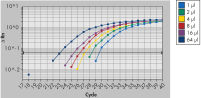
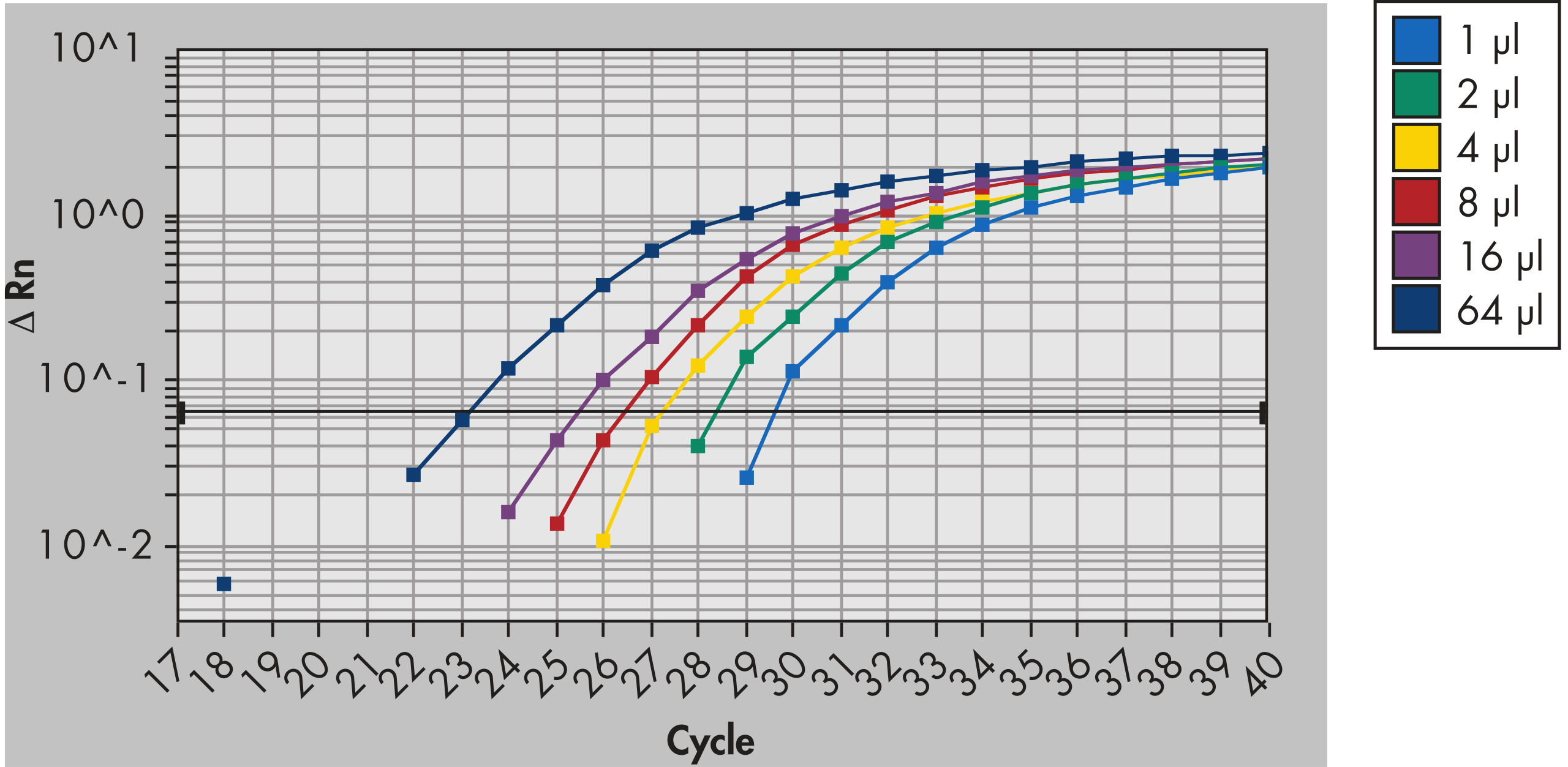
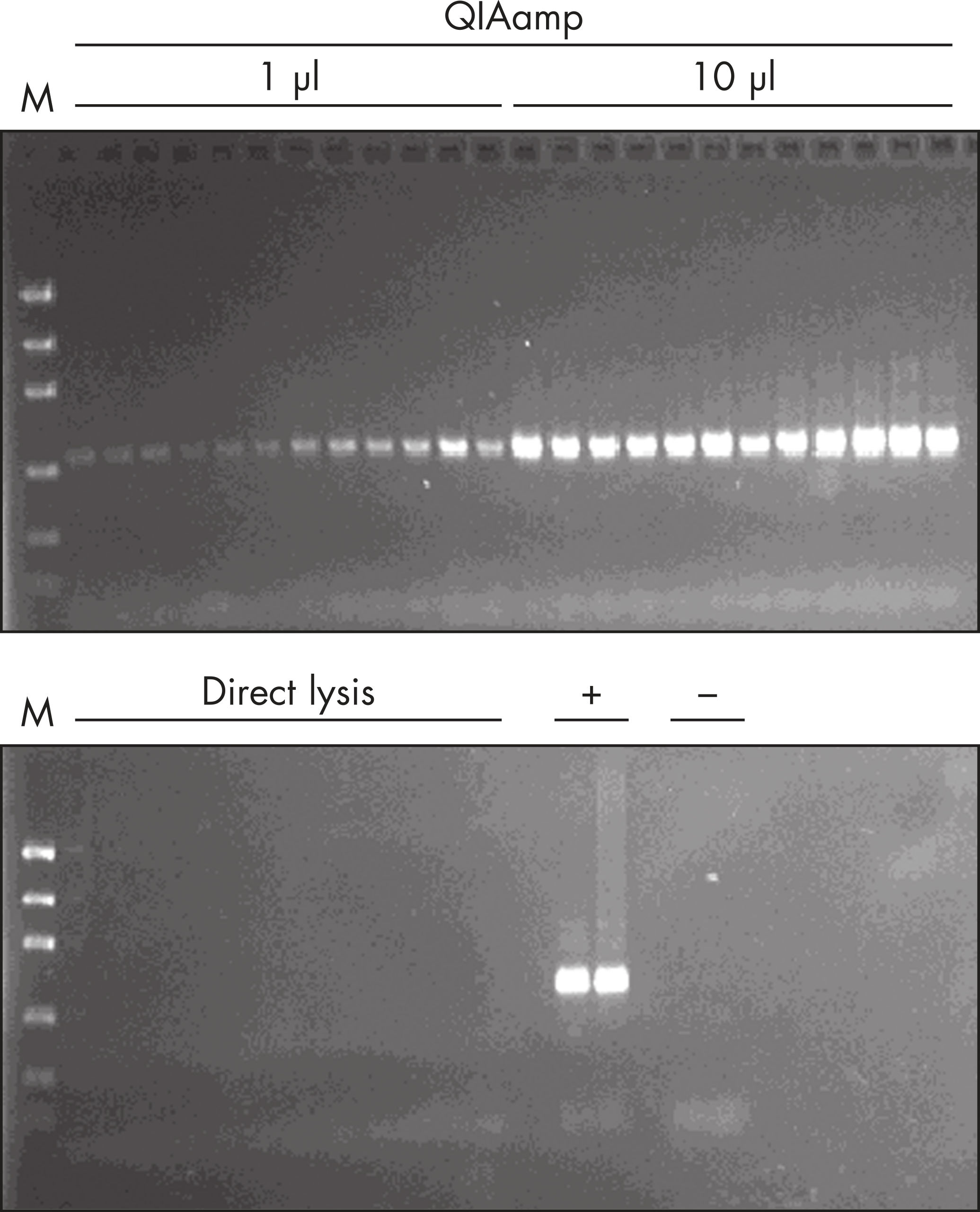
QIAamp DNA Micro Kit는 실리카 기반 막의 선택적 결합 특성과 20~100µL 사이의 유연한 용출 용량이 조합되었습니다. QIAamp DNA Micro Kit을 사용하여 정제한 DNA는 단백질, 핵산분해효소 및 기타 불순물이 없으며 real-time PCR(그림 ' 소량 샘플에서의 효율적인 DNA 정제' 참조) 및 레이저 미세절단(Laser Microdissection, LMD) PCR(그림 ' 레이저 미세절단 PCR' 참조)과 같은 고감도 다운스트림 응용 분야에 사용하기 적합합니다. 정제된 DNA는 단연쇄 반복(Short-Tandem Repeat, STR) 유전형 분석, 단일 염기 다형성(Single-Nucleotide Polymorphism, SNP) 유전형 분석 또는 약리유전체학 연구에도 사용할 수 있습니다.
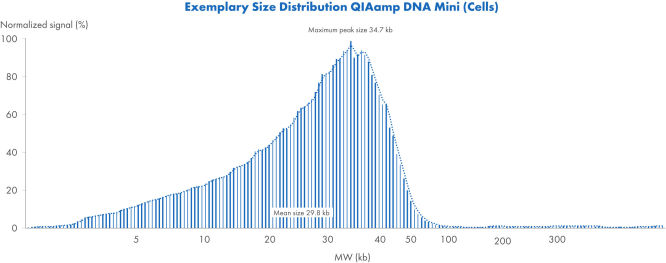
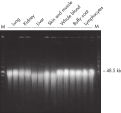
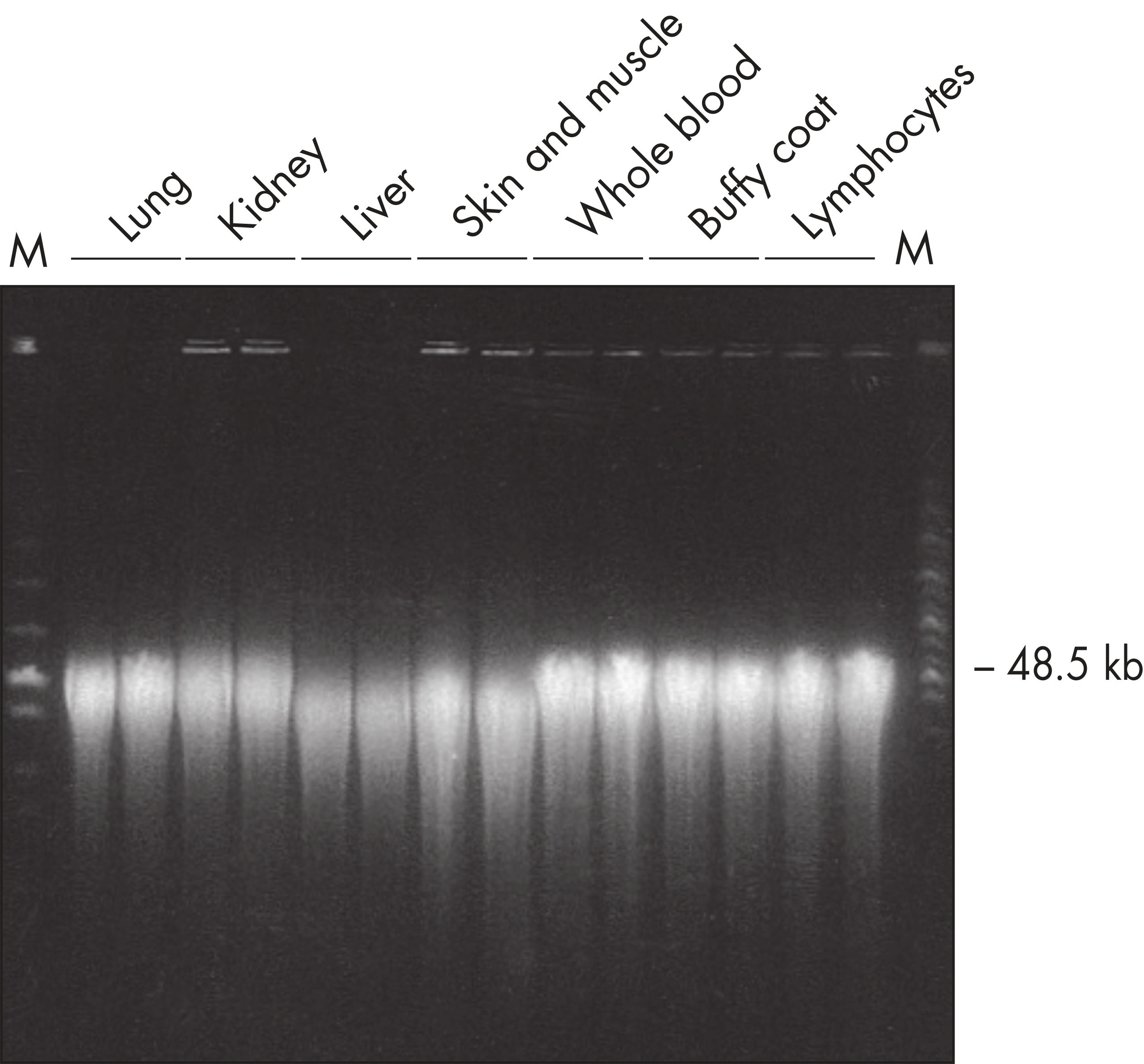
QIAamp DNA mini Kit는 신속 스핀 컬럼이나 진공 절차를 통해 조직 샘플에서 DNA를 분리하는 과정을 간소화하여 최대 50kb 크기의 DNA를 얻을 수 있습니다(그림 ' 최대 50kb 유전체 DNA 정제' 참조). 이 길이의 DNA는 완전히 변성되며 증폭 효율이 가장 높습니다. 핵산이나 DNA의 수율은 시재료에 따라 달라집니다(표 'QIAamp DNA Mini Kit의 일반적인 수율' 참조). QIAamp DNA Mini Kit을 사용하여 정제된 DNA는 PCR 및 정량 real-time PCR, 서던 블로팅, SNP 및 STR 유전형 분석, 약리유전체학 연구를 포함한 다양한 다운스트림 응용 분야에 사용할 수 있습니다.
샘플 총 핵산
수율(µg)*
DNA 수율
(µg)†
혈액 200µL 4~12 4~12
백혈구 연층 200µL 25~50 25~50
세포 106 20~30 15~20
25mg 60~115 10~30
25mg 35~60 15~30
25mg 25~45 5~10
심장 25mg 15~40 5~10
신장 25mg 40~85 15~30
비장 10mg 25~45 5~30

QIAamp DNA Mini QIAcube Kit는 최대 50kb 크기의 DNA를 생산합니다. 이 길이의 DNA는 완전히 변성되며 증폭 효율이 가장 높습니다. 정제된 DNA는 다음을 포함한 다양한 응용 분야에서 사용될 수 있습니다.

  • 바이러스 연구
  • 세균 연구
  • 균류 연구
  • 암 연구
  • 인간 유전체 시험 연구
  • 친자 확인 검사
  • 법의학 분석

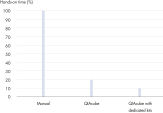
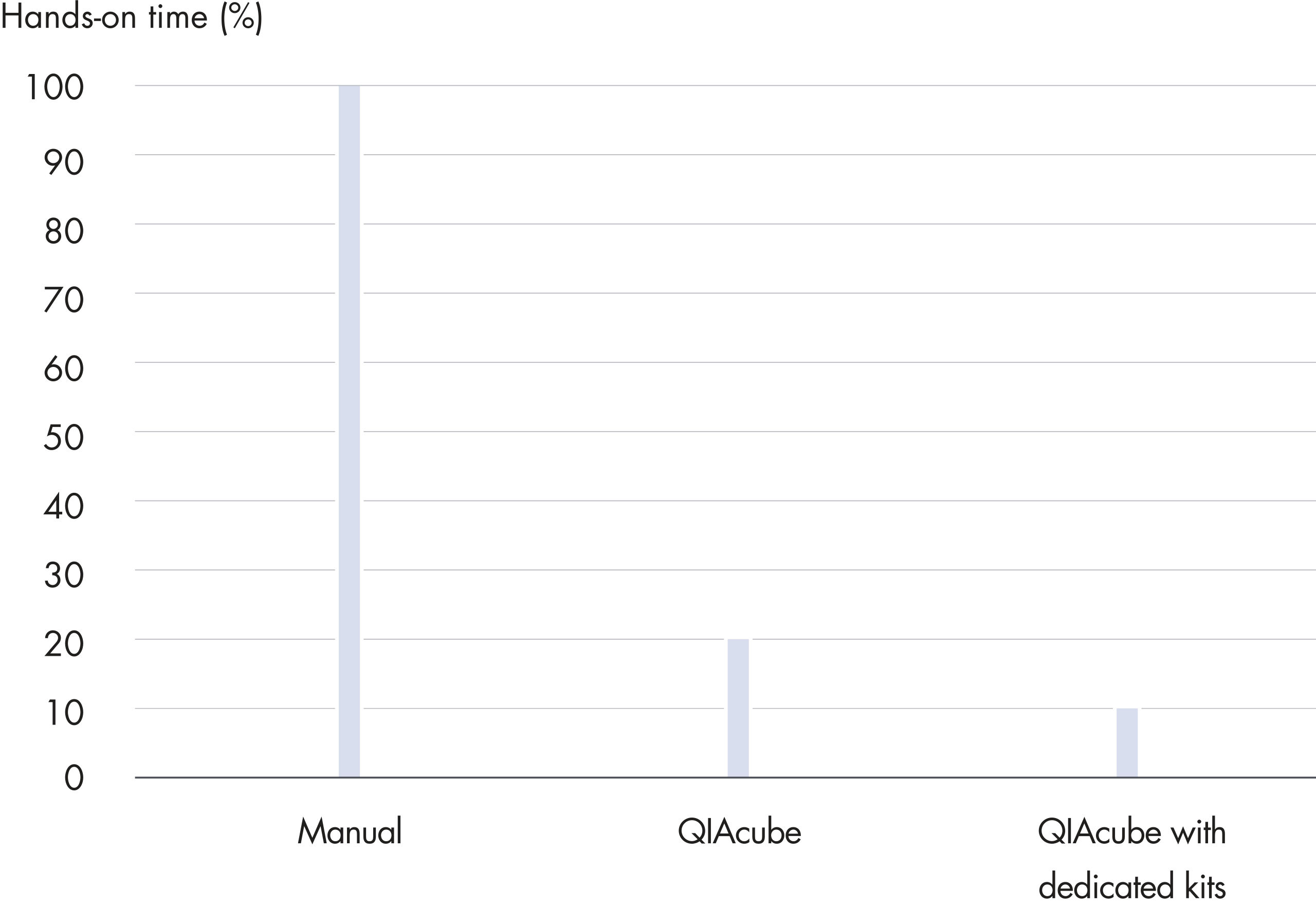
QIAamp DNA Mini QIAcube Kit는 신속 스핀 컬럼 절차를 통해 조직 샘플에서 DNA를 분리하는 과정을 간소화합니다. 이 키트에는 QIAamp 스핀 컬럼과 용출 튜브가 사전에 장착되어 있는 로터 어댑터가 포함되어 있어 편의성이 더욱 높으며 시간도 절약됩니다(그림 ' 상당한 시간 절약' 참조).
 

원리

QIAamp DNA 정제 절차 중 오염 물질이 통과하는 동안 QIAamp MinElute 또는 QIAamp 실리카겔 멤브레인에 DNA가 특이적으로 결합합니다. 페놀-클로로포름 추출은 필요하지 않습니다. 2가 양이온 및 단백질과 같은 PCR 억제제는 효율적인 2단계 세척을 통해 완전히 제거되며, 키트와 함께 제공되는 정제수 또는 완충액에서 순수한 DNA가 용출됩니다.

QIAamp DNA 기술은 인체 조직 샘플에서 PCR 및 블로팅 절차에 바로 사용할 수 있는 유전체, 미토콘드리아, 박테리아 또는 바이러스 DNA를 생산합니다.

QIAamp 샘플 준비 기술은 라이선스를 완벽히 취득하여 QIAamp에서 정제된 핵산을 어떤 분자 분석이나 기타 다운스트림 응용 분야에도 특허 침해 위험 없이 사용할 수 있습니다.


절차

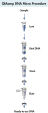
QIAamp DNA Mini Kit에 있는 최적화된 완충액과 효소가 샘플을 용해하고, 핵산을 안정화하며, QIAamp 멤브레인에 대한 선택적 DNA의 흡착을 증강합니다. 알코올이 첨가되고 용해물이 QIAamp 스핀 컬럼에 로드됩니다.

세척 완충액을 사용하여 불순물을 제거하고 바로 사용할 수 있는 순수한 DNA가 물 또는 저염 완충액에 용출됩니다.

조직은 효소로 분해되므로 기계적 균질화가 필요하지 않습니다. 편리한 스핀 컬럼 방식은 직접 준비하는 데 20분밖에 걸리지 않습니다(용해 시간은 샘플 공급원에 따라 다름).

샘플은 마이크로 원심분리기를 사용해서 처리하거나, 아니면 혈액이나 기타 체액을 처리하는 경우에는 QIAvac 24 Plus를 사용할 수 있습니다. 또한, QIAamp DNA Mini Kit는 엄격한 용해 절차를 채택하여 박테리아나 기생충에서 유전체 DNA를 정제하는 데 이상적입니다.

수작업 시간을 더욱 단축하기 위해, QIAcube에서의 유전체 DNA 정제를 자동화할 수 있습니다. QIAamp DNA 액세서리 세트 A는 QIAcube와 12 x QIAamp DNA Mini Kits (50)를 사용하여 유전체, 미토콘드리아, 박테리아, 기생충 또는 바이러스 DNA를 분리하기 위한 모든 완충액 및 시약을 제공합니다.

진공 공정

DNA 정제를 더욱 빠르고 편리하게 하기 위해 원심분리 대신 진공 방식을 사용해 혈액이나 기타 체액을 처리할 수 있습니다. QIAamp mini 스핀 컬럼은 VacValves와 VacConnectors를 사용하는 QIAvac 24 Plus 매니폴드에 들어갑니다.

샘플 유량이 크게 다를 경우에 일관된 진공을 보장하려면 VacValve를 사용해야 합니다. 교차 오염을 방지하기 위해 일회용 VacConnector를 사용합니다. VacConnectors를 사용하면 QIAvac Luer 어댑터를 사용하는 QIAvac 6S에서도 QIAamp 스핀 절차를 수행할 수 있습니다.

QIAcube Connect에서 자동 DNA 분리

전용 QIAamp DNA Mini QIAcube Kit는 QIAcube 기기용 로터 어댑터에 미리 장착된 스핀 컬럼과 용출 튜브를 사용하여 설계되었으며, 로터 어댑터를 잘못 장착하여 발생할 수 있는 오류 위험을 제거합니다. 전용 키트는 QIAcube 요구 사항에 맞게 제작되어 낭비를 줄입니다.

QIAcube Connect의 간단한 프로토콜(용해, 결합, 세척 및 용출)과 자동화 프로토콜은 최소한의 사용자 상호 작용만 필요합니다.

수상 경력이 있는 QIAcube Connect는 첨단 기술을 사용하여 QIAGEN 스핀 칼럼을 자동으로 처리하며, 자동화된 저처리량 시료 전처리 과정을 실험실 워크플로우에 원활하게 통합할 수 있도록 지원합니다. 정제 절차의 모든 단계는 전면 자동화되어 있으며, 한 번 실행에 최대 12개의 샘플을 처리할 수 있습니다. QIAcube Connect와 전용 QIAamp DNA Mini QIAcube 키트로 DNA를 빠르고 쉽고 편리하게 정제할 수 있습니다.


응용 분야

QIAamp DNA Micro Kit 절차는 소량의 혈액, 혈액 카드, 소변, 레이저 미세절제를 포함한 소량 조직 샘플을 포함하는 광범위한 샘플 재료에 적합합니다.

QIAamp DNA Mini Kit는 근육, 간, 심장, 뇌, 골수 및 기타 조직, 면봉(구강, 눈, 비강, 인두 및 기타), 뇌척수액, 혈액, 체액 및 소변에서 세척한 세포를 포함한 가장 일반적으로 사용되는 인체 조직 샘플에서 DNA를 정제하는 데 이상적입니다. 최대 25mg의 조직 또는 최대 200µL의 체액에서 20분 이내에 DNA를 정제하고, 50~200µL에서 용출할 수 있습니다.

QIAamp DNA Mini QIAcube Kit는 QIAcube Connect에서 유전체, 미토콘드리아, 기생충 또는 바이러스 DNA를 자동으로 분리하는 데 사용됩니다. 샘플 출처로는 조직, 구강 면봉, CSF, 소변에서 세척한 세포가 포함됩니다.


Comparison of QIAamp DNA Kits
특징 QIAamp DNA Micro Kit QIAamp DNA Mini Kit
응용 분야 Real-time PCR, STR 분석, LMD-PCR PCR, 서던 블로팅
용출량 20~100µL 50~200µL
형식 스핀 컬럼 스핀 컬럼
주 샘플 유형 전혈 전혈, 조직, 세포
처리 수동(원심분리 또는 진공) 수동(원심분리 또는 진공)
total RNA, miRNA,
poly A+ mRNA, DNA 또는 단백질 정제
유전체 DNA, 미토콘드리아 DNA 유전체 DNA, 미토콘드리아 DNA,
박테리아 DNA, 기생충 DNA, 바이러스 DNA
샘플양 1~100µL 200µL/25mg/5 x 106
기술 실리카 기술 실리카 기술
실행당 또는 준비당 시간 30분 20분
수율 <3µg 4~30µg


지원되는 데이터 및 수치

리소스

키트 안내서 (5)
For purification of genomic DNA from small volumes of blood, dried blood spots, swabs, forensic case work samples, chewing gum, urine, tissues, laser-microdissected tissues; For cleanup of genomic DNA
안전보건자료 (1)
Download Safety Data Sheets for QIAGEN product components.
빠른 시작 프로토콜 (1)
사용자 개발 프로토콜 (9)
The protocol can be used for fresh or frozen semen samples with equal efficiency. Frozen samples must be thawed thoroughly before use. Please note that lysis time will vary depending on the size and density of the source material.
These procedures have been used successfully for isolation of genomic DNA from Aspergillus and Candida species, from both fungal cultures and blood.
This protocol has only been tested with ‘soft’ tissues (e.g., liver, spleen, thymus, heart, kidney, and brain) and may not work with ‘hard’ tissues (e.g., bone, teeth, and skin).
보충 프로토콜 (5)
For parallel preparation of genomic, bacterial, or viral DNA or viral RNA from more than 24 samples, we recommend using QIAamp® Spin Columns with 4-6 ml collection tubes. Any tube with an inner diameter of 9-10 mm (outer diameter 11-12 mm) is suitable.
응용 분야/프로토콜 문서 (1)
For QIAamp DNA Mini Kit (50) plus QIAamp DNA Accessory Set A, cat. no. 1048145, or QIAamp DNA Mini Kit (250) plus QIAamp DNA Accessory Set B, cat. no. 1048146
기기 사용자 설명서 (1)
Safety Data Sheets (1)
Certificates of Analysis (1)

FAQ

When should carrier be used with the QIAamp DNA Mini or the DNeasy Blood & Tissue Kit?

For DNA isolation using the QIAamp DNA Mini, or the DNeasy Blood & Tissue Kit, we recommend using carrier DNA when expected yields are below 10 ng. If possible, carrier DNAs such as poly-dA, poly-dT or poly-dA:dT should be used. Other carrier DNAs such as herring sperm DNA may interfere with subsequent PCR by binding primers nonspecifically.

Please note that poly-dA may interfere with oligo-dT primers, and, in this case, a different carrier DNA should be used. The concentration of carrier DNA should be at least 10 µg/ml. Optimal amounts need to be determined empirically for each application. The size distribution of carrier DNAs is typically in the range of 100 bp to 10 kb.

FAQ-100
Can mitochondria separated with the Qproteome Mitochondria Isolation Kit be used for downstream DNA isolation?

Even though we have not tested this, we assume that both the QIAamp DNA Micro Kit and the AllPrep DNA/RNA Mini Kit will work to isolate DNA from mitochondria separated with the Qproteome Mitochondria Isolation Kit.


FAQ-1188
How do I safely inactivate biohazardous flow-through material?

Always dispose of potentially biohazardous solutions according to your institution’s waste-disposal guidelines. Although the lysis and binding buffers in QIAamp, DNeasy, and RNeasy kits contain chaotropic agents that can inactivate some biohazardous material, local regulations dictate the proper way to dispose of biohazards. DO NOT add bleach or acidic solutions directly to the sample-preparation waste. Guanidine hydrochloride in the sample-preparation waste can form highly reactive compounds when combined with bleach.
Please access our Material Safety Data Sheets (MSDS) online for detailed information on the reagents for each respective kit.

FAQ-12
Does the Epitect Bisulfite Kit also work on DNA extracted from plants?

Bisulfite conversion of unmethylated cytosines into uracils with the EpiTect Bisulfite Kit works on DNA irrespective of the source organism. The DNA template needs to be of high purity for efficient conversion. We recommend to use genomic DNA extracted with our DNA isolation kits for clinical or animal and plant samples as a template for the EpiTect Bisulfite Kit.

FAQ-1209
Are QIAamp DNA isolation kits suitable for apoptosis studies?

Yes. We have used the QIAamp DNA Blood Mini Kit to purify DNA fragments as small as 168 base pairs. Our product profile for this kit shows a picture of the apoptotic banding pattern obtained after storage of blood samples at 4°C for extended periods of time prior to isolating DNA.


FAQ-149
Do you have a protocol for cleanup of REPLI-g amplified DNA?

Yes, please follow the Supplementary Protocol 'Purification of REPLI-g amplified DNA using the QIAamp DNA Mini Kit' (RG14).


FAQ-1545
Do you have a protocol for purification of genomic DNA from cultured cells using the QIAamp DNA Micro Kit?

Yes, please follow the User-Developed Protocol 'Purification of genomic DNA from cultured cells using the QIAamp DNA Micro Kit' (QA43).

Note:  The maximum amount of cells that can be used with this protocol has not been thoroughly tested.  However, we would suggest using no more than 1 x 10⁶ cells.


FAQ-1547
What dedicated QIAcube Kits are available?
How can I precipitate genomic DNA using isopropanol?

Alcohol precipitation is commonly used for concentrating, desalting, and recovering nucleic acids. Since less alcohol is required for isopropanol precipitation, this is the preferred method for precipitation of DNA from large volumes. In addition, isopropanol precipitation can be performed at room temperature, which minimizes co-precipitation of salt that interferes with downstream applications.


Procedure

  1. Adjust the salt concentration, for example, with sodium acetate (0.3 M, pH 5.2, final concentration) or ammonium acetate (2.0–2.5 M, final concentration).
  2. Add 0.6–0.7 volumes of room-temperature isopropanol to the DNA solution and mix well.
  3. Centrifuge the sample immediately at 10,000–15,000 x g for 15–30 min at 4°C
  4. Carefully decant the supernatant without disturbing the pellet.
  5. Wash the DNA pellet by adding 1–10 ml (depending on the size of the preparation) of room-temperature 70% ethanol. This removes co-precipitated salt and replaces the isopropanol with the more volatile ethanol, making the DNA easier to redissolve.
  6. Centrifuge at 10,000–15,000 x g for 5–15 min at 4°C.
  7. Carefully decant the supernatant without disturbing the pellet.
  8. Air-dry the pellet for 5–20 min (depending on the size of the pellet).
  9. Redissolve the DNA in a suitable buffer.

Tip: Use a buffer with a pH of 7.5–8.0, as DNA does not dissolve easily in acidic buffers. Often distilled water can have an acidic pH. The addition of EDTA protects the DNA from DNase digestion.

Tip: High-molecular-weight DNA, such as genomic DNA, should be redissolved very gently to avoid shearing. If the DNA pellet does not dissolve easily, heat at 55°C for 1–2 h with gentle shaking.

FAQ-2953
303 - Can I use my own lysis buffer with the DNeasy Blood & Tissue or QIAamp DNA Mini Kit?

If you have optimized the lysis conditions for a specific sample type, you can lyse the sample in your lysis buffer, and follow the Supplementary Protocol 'Purification of total DNA from crude lysates using the DNeasy Blood & Tissue Kit' (DY15), or the corresponding protocol in the Appendix of the QIAamp DNA Mini Kit and QIAamp DNA Blood Mini Kit Handbook.


FAQ-303
How do I perform a DNA precipitation to concentrate my sample?
  • Add 1/10 volume of 3 M Na-Acetate pH 5.2, and 2 to 2.5 volumes of ice-cold 100% ethanol to the DNA sample
  • Mix, and store at –20°C for at least 1 h to precipitate the DNA
  • Recover the precipitated DNA by centrifugation at full speed in a microcentrifuge for 15–20 min
  • Pour off the ethanol and wash the pellet twice with room-temperature 70% ethanol
  • Allow the DNA pellet to air-dry
  • resuspend the DNA in a suitable volume of sterile TE buffer or distilled water
FAQ-305
How can QIAGEN Protease and Proteinase K be inactivated?

QIAGEN Protease is inactivated by incubation at 70°C for 15 minutes.

To our knowledge, Proteinase K cannot be completely heat-inactivated. Even when incubating at 95°C for 10 minutes, some enzymatic activity remains. This will not negatively affect the QIAamp Procedure, since the enzyme will be efficiently removed by the wash steps in the protocols.

FAQ-315
3212 - What is the minimum size of DNA fragment that can be isolated with QIAamp DNA Mini kit?

Fragments of approximately 200 bp can be isolated with good recovery. Smaller fragments can also be isolated but the recovery will be reduced with decreasing fragment lengths.

FAQ-3212
What is the shelf-life for QIAGEN Proteinase K (cat. no. 19131, 19133)?

QIAGEN Proteinase K is stable for up to 1 year after delivery when stored at room temperature. To prolong the shelf-life of Proteinase K, storage at 2–8°C is recommended.

FAQ-3447
What is the minimum number of cells that can be efficiently processed with the QIAamp DNA Mini and QIAamp Blood Mini kits and what is the expected yield?
In QIAGEN labs, we have isolated DNA from a minimum of 1000 cells or 1 ul of whole blood sample. The expected yield from 1 ul of whole blood with 4000-7000 leukocytes is 30 ng of genomic DNA. The expected yield of genomic DNA from a single eukaryotic cell is 6 pg. However, please bear in mind that for these small quantities, we would recommend the QIAamp DNA Micro kit instead.
FAQ-3516
Is the quality and size of DNA extracted with the QIAamp DNA Mini and QIAamp Blood Mini kit good enough to generate DNA-libraries for next generation sequencing (NGS)?
The size of DNA obtained with QIAamp DNA Mini and QIAamp Blood Mini kit ranges between 100 bp and 50 kb, with 30 kb fragments predominating. The 30 kb fragments are a good starting point for most of the library preparations. Furthermore, the purified DNA is free of protein, nucleases, and other contaminants and inhibitors, and therefore is suitable for NGS.
FAQ-3518
How much protein does one vial of Protease in the QIAamp spin kits contain? What is the concentration of the resuspended Protease?
A vial of Protease with 7.5 Anson units (AU) contains approximately 167 mg protein (45 mAU/mg protein). If the content of the vial is diluted in 7 ml, the concentration would roughly be 24 mg/ml.
FAQ-3520
I received a kit containing the MinElute columns; however, they were left out for a while and not stored at 2–8°C upon receipt. Can I still use them?

The MinElute spin columns included in the following kits should be stored at 2–8°C upon arrival: AllPrep DNA/RNA Micro, EpiTect Fast DNA Bisulfite, EpiTect Fast FFPE Bisulfite, EpiTect Fast LyseAll Bisulfite, EpiTect Plus DNA Bisulfite, EpiTect Plus FFPE Bisulfite, EpiTect Plus LyseAll Bisulfite, exoRNeasy Serum/plasma Maxi, exoRNeasy Serum/Plasma Midi, GeneRead DNA FFPE, GeneRead rRNA Depletion, GeneRead Size Selection, MinElute Gel Extraction, MinElute PCR Purification, MinElute Reaction Cleanup, miRNeasy FFPE, miRNeasy Micro, miRNeasy Serum/Plasma, QIAamp DNA FFPE, QIAamp DNA Investigator, QIAamp DNA Micro, QIAamp MinElute Media, QIAamp MinElute Virus Spin, QIAamp MinElute Virus Vacuum, RNeasy FFPE, RNeasy Micro, RNeasy Plus Micro.

Short-term storage (up to 4 weeks) at room temperature (15–25°C) does not affect the performance. However, for optimal performance and quality, storage temperature should not exceed 25°C.

FAQ-3560
How can I improve DNA yields from very tough tissues using the DNeasy Blood & Tissue Kit or the QIAamp DNA Mini Kit?

Efficient DNA isolation requires thorough sample disruption and digestion.

Although the QIAamp and DNeasy procedures requires no mechanical disruption of the tissue sample, the lysis time will be reduced if the sample is ground in liquid nitrogen or mechanically homogenized in advance. For mechanical homogenization, a rotor–stator homogenizer, such as the QIAGEN TissueRuptor, or a bead mill, such as the QIAGEN TissueLyser, can be used.

To improve digestion of tough tissue samples, Proteinase K incubation at 56°C can be performed overnight. DNA yields may be improved by increasing the amount of Proteinase K or by adding additional proteinase K after several hours of digestion.  

FAQ-374
Which QIAGEN DNA extraction kits are compatible with the PAXgene Saliva Collector?

Protocols for automated DNA extraction from saliva stabilized with the PAXgene Saliva Collector are available for the QIAsymphony DNA Midi Kit with the QIAsymphony SP instrument or the QIAamp DNA Mini Kit with the QIAcube (Classic and Connect). 
For manual extraction, supplementary protocols are available for the QIAamp DNA Mini and Gentra Puregene Cell Kits (see resources section).

FAQ-3821
What are the expected DNA yields from different tissues using the QIAamp DNA Mini Kit?

The expected DNA yields from different tissues using the QIAamp DNA Mini Kit are as follows:

Sample Nucleic acid yield without RNase A treatment (ug) DNA yield with RNase A treatment (ug)
Blood (200 ul) 4–12 4–12
Buffy coat (200 ul) 25–50 25–50

Cultured cells (5 x 10e6)

20–30 15–20
Liver (25 mg) 60–115 10–30
Brain (25 mg) 35–60 15–30
Lung (25 mg) 8–20 5–10
Heart (25 mg) 25–45 5–10
Kidney (25 mg) 40–85 15–30
Spleen (10 mg) 25–45 5–30

DNA was purified with QIAamp Kits following standard protocols.

FAQ-45
Why is carrier RNA used during the isolation of gDNA from microdissected samples with the QIAamp DNA Micro Kit?
When purifying small amounts of DNA using silica technology, the addition of carrier RNA or DNA enhances the recovery of DNA. Carrier prevents the small amount of target nucleic acid present in the sample from being irretrievably bound. Other typical “precipitation” carriers, such as glycogen, cannot be used. The carrier used must be a nucleic acid, and of a large enough size (>200nt) to bind to the silica membrane.
FAQ-473
Why are the centrifugation speeds for the QIAamp DNA Mini kit at 6000 x g? Can I spin at full speed?
The initial centrifugations are performed at 6000 x g simply to reduce centrifuge noise. The final spin with the ethanolic wash buffer and the optional drying spin are both done at full speed to enhance ethanol drying from the spin column. Earlier centrifugation steps can also be performed at full speed, and this will not negatively affect DNA yield or quality.
FAQ-474
What do you recommend for the cleanup of genomic DNA (gDNA)?

Using QIAGEN Genomic-tips

Protocol for DNA cleanup using Genomic-tips can be found in the 'Special Applications' section of the QIAGEN Genomic DNA Handbook.


Using QIAamp DNA Micro kit

Up to 10ug of gDNA can be cleaned using the cleanup protocol in the QIAamp DNA Micro Handbook.


Using Gentra Puregene Reagents

Gentra Puregene Handbook has protocols for removal of proteins and RNA from purified gDNA in Appendix C and Appendix D respectively.

FAQ-618
What is the expected yield of genomic DNA isolated from bacteria with the DNeasy Blood & Tissue or QIAamp DNA Mini Kit?

The expected yield of genomic DNA isolated from bacteria with the DNeasy Blood & Tissue Kit or the QIAamp DNA Mini Kit is approximately 10 ug of DNA per 2x 10⁹ bacterial cells. Note that yields of genomic DNA will vary depending on bacterial strain, quality of the starting material, growing conditions, and the amount of material processed.


FAQ-632
Why does the QIAamp DNA Mini Tissue Protocol require both ATL and AL buffer, while the Blood Protocol only uses AL?

Tissue is more difficult to lyse than cells in a blood sample. Therefore an additional incubation step in buffer ATL containing Proteinase K is included in the Tissue Protocol to achieve complete sample lysis. Blood cells will directly lyse by incubation in Buffer AL containing QIAGEN Protease. Buffer AL is required in both protocols to ensure appropriate conditions for DNA binding to the silica membrane. For further details on the protocols, please refer to the QIAamp DNA Mini and QIAamp DNA Blood Mini Kit Handbook.

FAQ-633
What can be used as an alternative to the A260 measurement for quantification of small amounts of RNA and DNA?

Small amounts of RNA and DNA may be difficult to measure spectrophotometrically. Fluorometric measurements, or quantitative RT-PCR and PCR are more sensitive and accurate methods to quantify low amounts of RNA or DNA.

Fluorometric measurements are carried out using nucleic acid binding dyes, such as RiboGreen® RNA Quantitation Reagent for RNA, and PicoGreen® DNA Quantitation Reagent for DNA (Molecular Probes, Inc.).

FAQ-728
What is the composition of buffer AE?

The composition of Buffer AE is:

  • 10 mM Tris-Cl
  • 0.5 mM EDTA; pH 9.0.
FAQ-730
Do I need to have EDTA in the buffer in which I am going to store my isolated genomic DNA?

EDTA chelates divalent cations which are required for nuclease activity. While the genomic DNA (gDNA) extracted using QIAGEN products, should not have any nuclease activity, it is possible to introduce nucleases during repeated long-term access of the DNA. EDTA helps to prevent any nuclease activity introduced after the genomic DNA extraction procedures.

However, if the gDNA is stored frozen at -20oC or -80oC, nuclease activity is much reduced. It may be possible to leave EDTA out of the storage buffer without negative consequences when samples are kept under these conditions, and when repeated freeze-thaw cycles are avoided.

We do recommend however that gDNA be stored in a neutral to a slightly basic buffered solution (e.g. 10 mM Tris-Cl pH 8.5 to 9.0) to prevent DNA degradation by acid hydrolysis. Note that deionized water mostly has an acidic pH.

FAQ-754
What is the difference between QIAGEN Protease and QIAGEN Proteinase K provided in various QIAamp Kits?

QIAGEN Proteinase K is a subtilisin-type protease, which cleaves at the carboxyl side of hydrophobic, aliphatic and aromatic amino acids. It is particularly suitable for short digestion times. It possesses a high specific activity over a wide range of temperatures and pH values with substantially increased activity at higher temperature. Soluble calcium is not essential for enzymatic activity. This means that EDTA, which is used to inhibit Mg2+-dependent enzymes such as nucleases, will not inhibit Proteinase K activity.

QIAGEN Protease is a broad-specificity Serine protease with high activity, cleaving preferentially at neutral and acidic residues. It is an economical alternative to Proteinase K for isolation of native DNA and RNA from a variety of samples.

FAQ-761
Do you have a protocol for the isolation of genomic DNA from bone?

Yes, we have the following protocols:

  • Isolation of genomic DNA from compact bone using the QIAamp DNA Mini Kit (QA02)
  • Isolation of genomic DNA from compact bone using the DNeasy Blood & Tissue Kit (DY01)
  • Purification of genomic DNA from bones using the QIAamp DNA Micro Kit (QA39)
  • Purification of archive-quality DNA from bone fragments using the Gentra Puregene Tissue Kit (PG38).
FAQ-908
Do you have a protocol for the isolation of genomic DNA from sperm?

Yes, we have the following protocols:

  • Isolation of genomic DNA from sperm using the QIAamp DNA Mini Kit; protocol 1 (QA03), long procedure
  • Isolation of genomic DNA from sperm using the QIAamp DNA Mini Kit; protocol 2 (QA04), short procedure
  • Purification of total DNA from animal sperm using the DNeasy Blood and Tissue kit; protocol 1 (DY02), long procedure
  • Purification of total DNA from animal sperm using the DNeasy Blood and Tissue kit; protocol 2 (DY03), short procedure
  • Purification of DNA from epithelial cells mixed with sperm cells using the QIAamp DNA Micro Kit (QA40).
FAQ-909
Do you have a protocol for the isolation of genomic DNA from fungi?

Yes, we have the following protocols:

  • Isolation of genomic DNA from fungi (culture and blood) using the QIAamp DNA Mini Kit (QA09).
  • Isolation of genomic DNA from plants and filamentous fungi using the QIAGEN Genomic-tip (QG08).
FAQ-911
Do you have a protocol for Acetyl Cysteine (NALC) treatment of viscous samples?

Yes, please follow either of the User-Developed Protocols:

FAQ-913
Do you have a protocol for the detection of Bordetella pertussis DNA by PCR?

Yes, please follow the User-Developed Protocol 'Detection of Bordetella pertussis DNA by PCR' (QA14). The procedure is for use with the QIAamp DNA Mini Kit.  Please contact Technical Service for this protocol.

FAQ-914
Do you have a protocol for isolation of genomic DNA from saliva and mouthwash?

Yes, we have the following protocols:

  • Isolation of genomic DNA from saliva and mouthwash using the QIAamp DNA Mini Kit; vacuum procedure (QA19v)
  • Isolation of genomic DNA from saliva and mouthwash using the QIAamp DNA Mini Kit; spin procedure (QA19s)
  • Isolation of genomic DNA from saliva using the DNeasy Blood & Tissue Kit; spin procedure (DY07)
FAQ-917
Do you have a protocol for the isolation of DNA from soft tissues using the TissueLyser?
Do you have a protocol for the isolation of DNA from epithelial cells mixed with sperm cells?
FAQ-926