
Want to try this solution for the first time?
Get in touch with our team today and request a quote to trial the Recombinant Albumin, AOF (100 mg).
Recombinant Albumin, AOF (100 mg) icon_0368_ls_gen_eco_friendly-s
Cat no. / ID. 531001
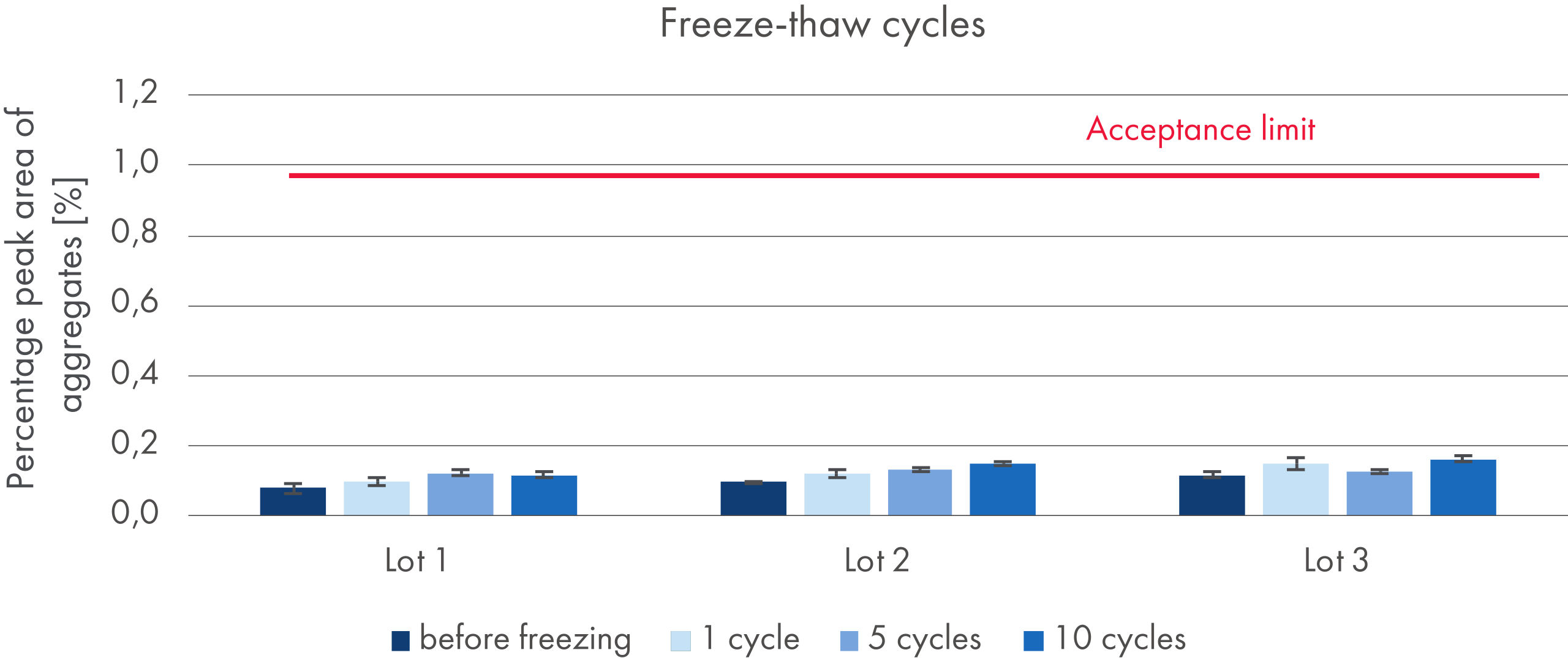
100 mg of Recombinant Albumin, AOF supplied at a concentration of 100 mg/ml (10%) in a storage buffer containing: 20mM Tris-HCl (pH 7.5), 20mM NaCl, 12mM sodium octanoate. Storage temperature: 2 to 8°C.Stable for at least 10 freeze-thaw cycles (from -20°C to room temperature).
Log in To see your account pricing.
Size
100 mg
1 g
The Recombinant Albumin, AOF (100 mg) is intended for molecular biology applications. This product is not intended for the diagnosis, prevention, or treatment of a disease.
Want to try this solution for the first time?
Get in touch with our team today and request a quote to trial the Recombinant Albumin, AOF (100 mg).
Features
- Animal-Origin Free (AOF): eliminates risks of pathogens and contaminants
- Increased thermal stability for better performance in molecular biology workflows
- Nuclease- and protease-free: no detectable RNase, DNase, or protease activity
- High Purity: >95%, with ultra-low aggregate content
- Effectively binds PCR inhibitors to maintain amplification efficiency
- Resistant to freeze–thaw cycles and thermal stress
Product Details
Recombinant Albumin, AOF, is an animal-origin-free (AOF) protein designed to deliver high consistency, purity and safety for demanding molecular biology workflows.
Albumin acts as a stabilizer for enzymes and nucleic acids and can bind PCR inhibitors, helping ensure consistent amplification even from challenging samples. Its high purity, thermostability and animal-origin-free composition make it a reliable choice for demanding amplification workflows, especially where consistency and safety are priorities.
QIAGEN Recombinant Albumin, unlike animal-derived BSA, eliminates the risks of contamination, variability and regulatory hurdles, ensuring reliable results in sensitive applications.
Recombinant Albumin, AOF, is a genetically engineered protein with increased thermal stability to reduce aggregation and ensure reliable, high-yield amplification.
Performance
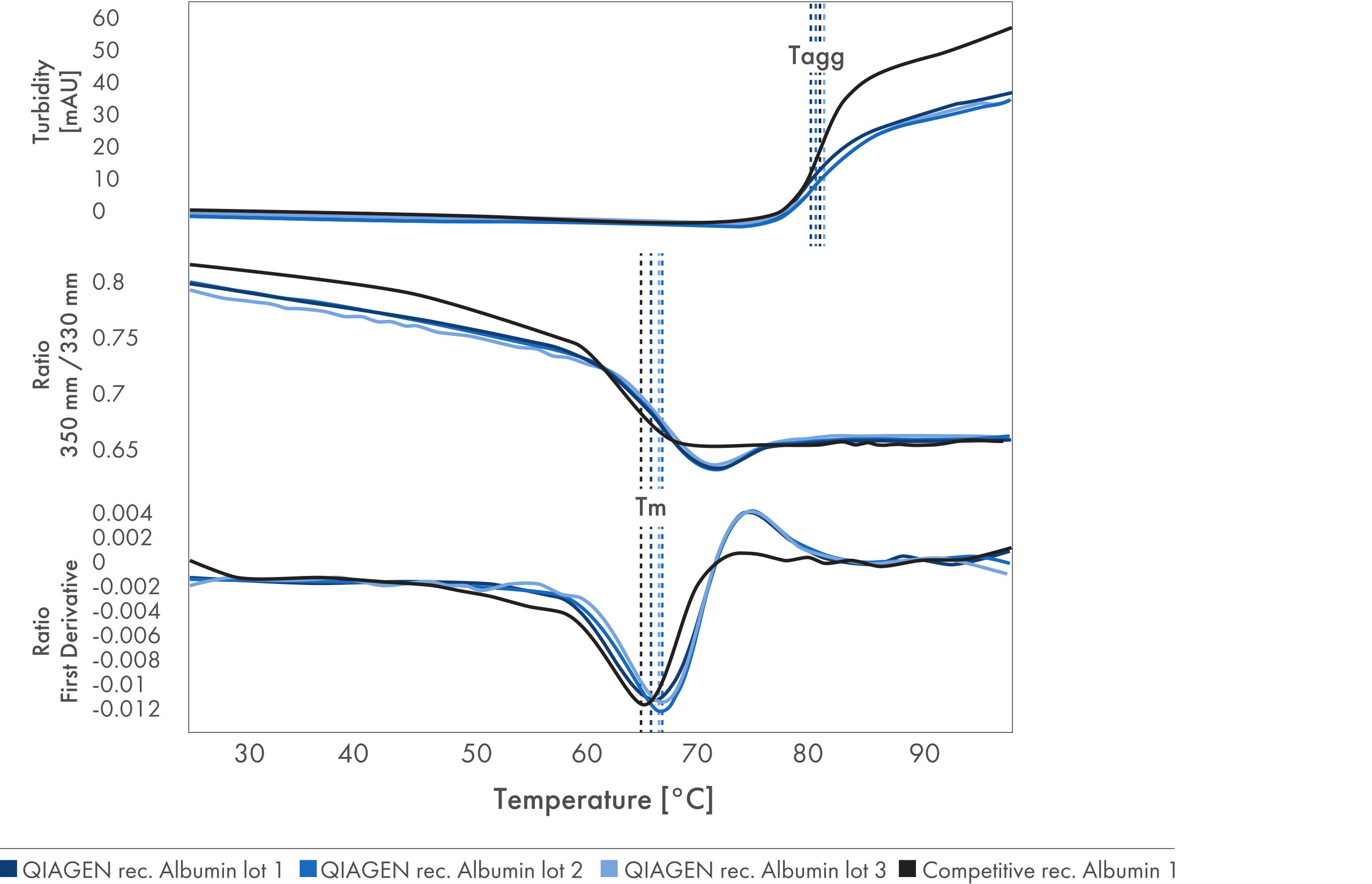
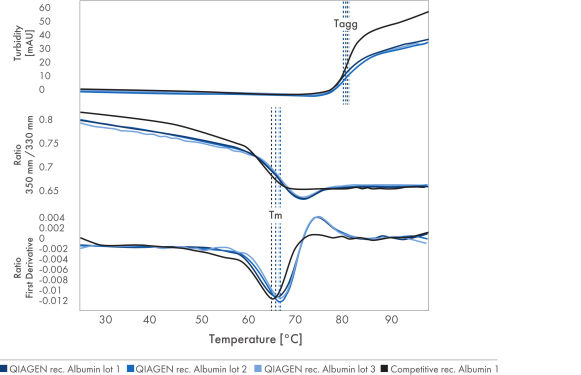
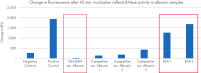
QIAGEN Recombinant Albumin, AOF, has improved thermal stability that minimizes protein aggregation, enhancing amplification efficiency and yield ( see Figure 1, Increased thermostability).
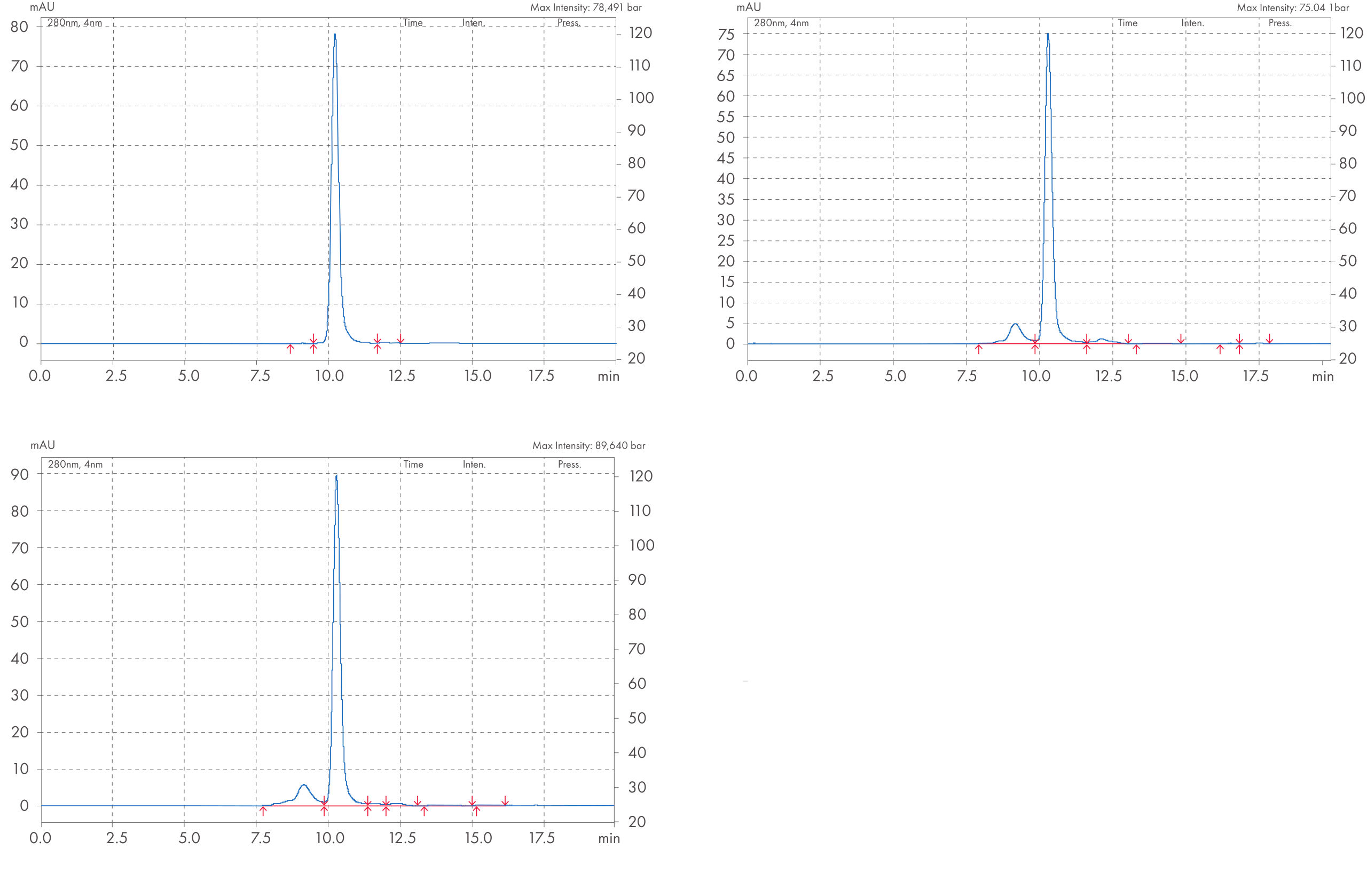
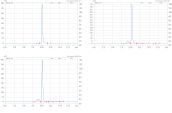
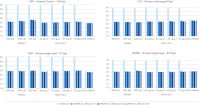
Recombinant Albumin exhibits low aggregate content, contributing to improved reaction performance, better stability and enhanced reproducibility in molecular biology workflows. ( See figure 2, Ultra-low aggregate content).
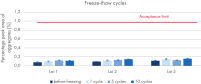
Recombinant Albumin is stable for at most 10 freeze–thaw cycles (from −20°C to room temperature), but the optimal storage temperature is 2–8°C. ( See Figure 3, Resistance to freeze-thaw cycles).
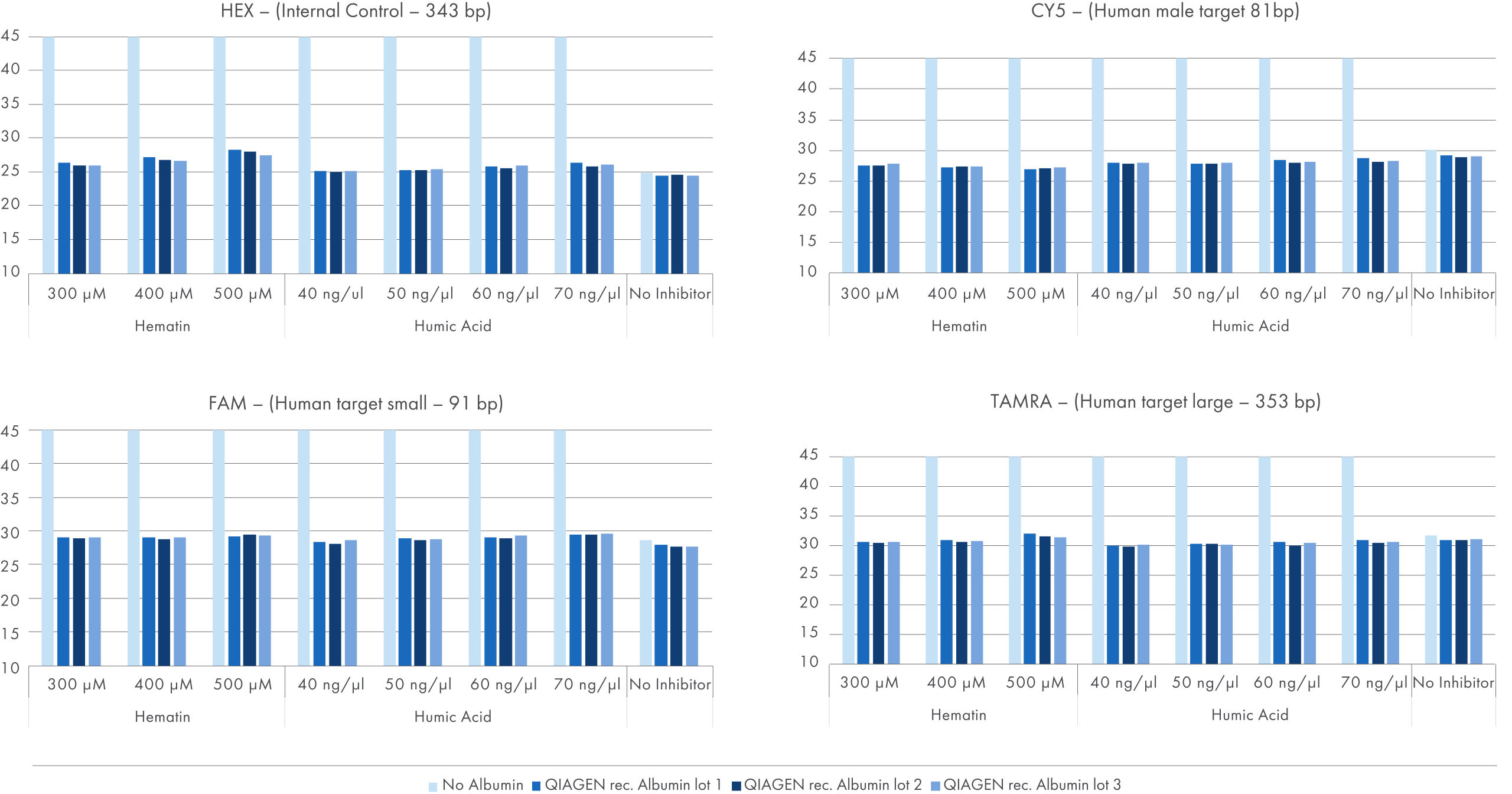
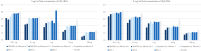
Recombinant Albumin, AOF, mitigates the effects of common PCR inhibitors, maintaining assay sensitivity and reproducibility ( See Figure 4, Recombinant Albumin reduces qPCR inhibition).
Principle
Albumins function as stabilizers, carriers and inhibitor-binding proteins in molecular biology reactions. By binding inhibitory molecules present in environmental samples, such as humic acid, hematin, melanin and others, they enhance stability and reproducibility in PCR, qPCR and related applications.
Recombinant Albumin, AOF, is a 66.4 kDa human serum albumin, overexpressed in yeast to deliver high purity and performance. The yeast expression system ensures lot-to-lot consistency, enabling reproducible results and seamless scalability.
| Parameter | Value |
|---|---|
| Source | Yeast (recombinant expression) |
| Concentration | 100 g/L (10%) |
| Purity | ≥95% |
| Endonuclease activity | None detected |
| Exonuclease activity | None detected |
| Protease activity | None detected |
| RNase contamination | None detected |
| Host DNA contamination | Not detectable |
| Endotoxin | <10 EU/g (tested for selected lots only, not included in CoA) |
| Bioburden | <10 cfu/mL Filter sterilized 0,2µm |
| Storage Temp | 2-8°C (do not freeze) |
| Formulation | Supplied as a solution at a concentration of 100 mg/mL in a storage buffer containing: 20mM Tris-HCl (pH 7.5), 20mM NaCl, 12mM sodium octanoate |
| Quality & Certification | Manufactured under ISO 13485 |
Why Animal-Origin Free (AOF) components matter
Traditional animal-derived proteins, such as bovine serum albumin (BSA), introduce risks and variability that can compromise sensitive molecular biology applications. Recombinant AOF albumin overcomes these limitations by delivering consistent performance, enhanced safety and regulatory confidence.
Advantages of AOF recombinant albumin:
- Safety & Compliance: By eliminating any material of animal origin, Recombinant Albumin, AOF avoids the risk of contamination with adventitious agents such as viruses, mycoplasma or prions. This significantly reduces biosafety concerns and simplifies regulatory approval processes.
- Reproducibility: Traditional animal-derived albumins can vary from lot to lot due to differences in animal sources and purification processes. Recombinant Albumin, AOF, is produced in a tightly controlled yeast expression system, ensuring unmatched consistency across batches.
- Supply Chain Reliability: Animal-based raw materials are subject to supply fluctuations and strict import/export restrictions. Animal-free production bypasses these dependencies, ensuring a stable and secure supply chain for critical workflows.
- Ethical & Sustainable Choice: Moving away from animal-derived proteins aligns with ethical and sustainability goals, while also future-proofing research and manufacturing processes against tightening global regulations on animal-origin materials.
- Ease of Integration: Because Recombinant Albumin, AOF, performs the same essential stabilizing and protective functions as BSA – while eliminating animal-related risks – it can be directly integrated into existing PCR, qPCR and molecular biology workflows with minimal optimization required.
Replacing animal-derived albumins with Recombinant Albumin, AOF, gives researchers greater reproducibility, safety and consistency, enabling robust performance in PCR, qPCR, NGS library prep and other demanding applications.
Our AOF products are developed and manufactured without any animal-derived materials at any stage of production or formulation. This ensures maximum safety, regulatory compliance and reproducibility - critical for sensitive molecular biology and diagnostic workflows.
Key criteria defining AOF status for QIAGEN Recombinant Albumin:
- No animal-derived components in final product (formulation)
- No animal-derived components in production process
- Characterized Master Cell Bank (MCB) and Working Cell Bank (WCB)
- Culture media without animal-derived components
- Primary raw materials non-animal
- Secondary raw materials non-animal
- TSE/BSE Statement
- Documented supplier qualification (primary source and origin)
Procedure
The Recombinant Albumin, AOF, is supplied at a concentration of 100 mg/mL in a storage buffer containing 20 mM Tris·HCl (pH 7.5), 20 mM NaCl and 12 mM sodium octanoate.
For use in PCR or qPCR reaction efficiency enhancer: depending on the sample matrix and template, albumin can be used in a final concentration ranging from 0.01 mg/mL to as high as 2 mg/mL. The recommended concentration is 1 mg/mL. Optional: For samples containing high levels of PCR inhibitors, the albumin concentration in the reaction can be increased to 2 mg/mL to enhance its anti-inhibitory effect.
Dilute albumin to the target concentration in water or an aqueous solution (e.g., 20 mM Tris pH 7.5 with 20 mM NaCl). Note: Avoid buffers with a pH close to the isoelectric point of albumin (around 5.7) to prevent the formation of precipitates.
Avoid high concentrations of DTT (>5 mM) in the final albumin solution. High concentrations of DTT are known to cause precipitation of albumin.
Applications
- PCR, qPCR, NGS library prep – improves amplification yield by binding PCR inhibitors
- cDNA synthesis –suitable for low RNA input
- Lyoprotectant – protein activity protection during freeze-drying
- Protein stabilizer – prevents aggregation and degradation
- Animal-free alternative to BSA in research and diagnostics
Supporting data and figures
Figure 1. Increased thermostability.
Thermal unfolding of QIAGEN Recombinant Albumin and competitive recombinant albumin was investigated through nano differential scanning fluorimetry (nanoDSF).
A temperature gradient ranging from 25–98°C was employed, with a controlled ramp of 1°C per minute. Unfolding events were characterized by monitoring fluorescence shifts (ratio 330 nm/350 nm).
Turbidity reflects to the protein aggregation during thermal unfolding measured by light scattering. Tagg= temperature at which an increase in light scattering is fastest. QIAGEN Recombinant Albumin lots display lower aggregation at elevated temperatures than the reference protein.
Thermostability of QIAGEN Recombinant Albumin was measured as a shift in fluorescence emission due to thermal unfolding. Tm = melting temperature at which 50% of the protein is unfolded. QIAGEN Recombinant Albumin shows increased thermostability (higher Tm compared to the competitive protein).
Resources
Brochures & Guides (1)
Kit Handbooks & Protocols (1)
Scientific documents (1)
Validation & Technical Documentation (1)
Safety Data Sheets (1)
Certificates of Analysis (1)
FAQ
What is the recommended dilution buffer for Recombinant Albumin, AOF?
What is the molecular weight of Recombinant Albumin, AOF?
What is the concentration of Recombinant Albumin, AOF?
What is the concentration of Recombinant Albumin, AOF?
How is Recombinant Albumin, AOF different from Bovine Serum Albumin (BSA)?
Will the Recombinant Albumin, AOF freeze at −20°C?
What is the limit for freeze−thaw cycles of Recombinant Albumin, AOF?
How to store Recombinant Albumin, AOF?
Can Recombinant Albumin, AOF be used as a protein standard in assays?