QIAamp DNA Blood Kits – Genomic DNA Extraction

혈액 및 기타 체액에서 유전체, 미토콘드리아 또는 바이러스 DNA 정제용

S_1433_RPA_QA0943

✓ 연중무휴 하루 24시간 자동 온라인 주문 처리

✓ 풍부한 지식과 전문성을 갖춘 제품 및 기술 지원

✓ 신속하고 안정적인 (재)주문

QIAamp DNA Blood Mini Kit (50)

카탈로그 번호 / ID.   51104

50회 DNA 미니프렙용: QIAamp Mini 스핀 컬럼 50개, QIAGEN 프로테아제, 시약, 완충액, 채집 튜브(2 ml)
키트액세서리
QIAamp DNA Blood Kit
QIAamp DNA Blood Mini Accessory Set
컬럼 유형플레이트 유형
Mini
Mini QIAcube
Midi
Maxi
96 well
준비
50
250
QIAamp DNA Blood Kits은/는 분자생물학 분야에 사용하기 위한 것입니다. 이 제품들은 질병의 진단, 예방, 또는 치료 목적으로 사용할 수 없습니다.

✓ 연중무휴 하루 24시간 자동 온라인 주문 처리

✓ 풍부한 지식과 전문성을 갖춘 제품 및 기술 지원

✓ 신속하고 안정적인 (재)주문

특징

  • 즉시 사용 가능한 고품질 DNA의 신속한 정제
  • 유기 추출 또는 알코올 침전물 없음
  • 일관되고 높은 수율
  • 신뢰할 수 있는 결과를 위한 오염 물질 및 억제제 완전 제거
  • 저처리량부터 고처리량까지 다양한 키트 형식 – 모든 키트에 대한 자동화 옵션

제품 세부 정보

QIAamp DNA Blood Kit는 전혈, 혈장, 혈청 및 기타 체액에서 실리카 멤브레인으로 DNA를 정제합니다. 이 키트는 200μl부터 최대 10ml까지 다양한 샘플 크기의 신선 또는 냉동 인간 전혈 처리용으로 설계되었습니다. QIAamp 스핀 컬럼은 원심분리기나 진공 매니폴드에서 쉽게 다룰 수 있습니다. 원심분리를 이용한 편리한 96-well 포맷은 혈액, 연막, 혈장, 혈청, 골수, 림프구 및 체액에서 고처리량의 DNA를 정제해야 하는 실험실에서 DNA를 정제하는 데 적합합니다. 전용 키트는 QIAcube Connect에서 1~12개 검체를 자동으로 정제할 수 있습니다.

성능

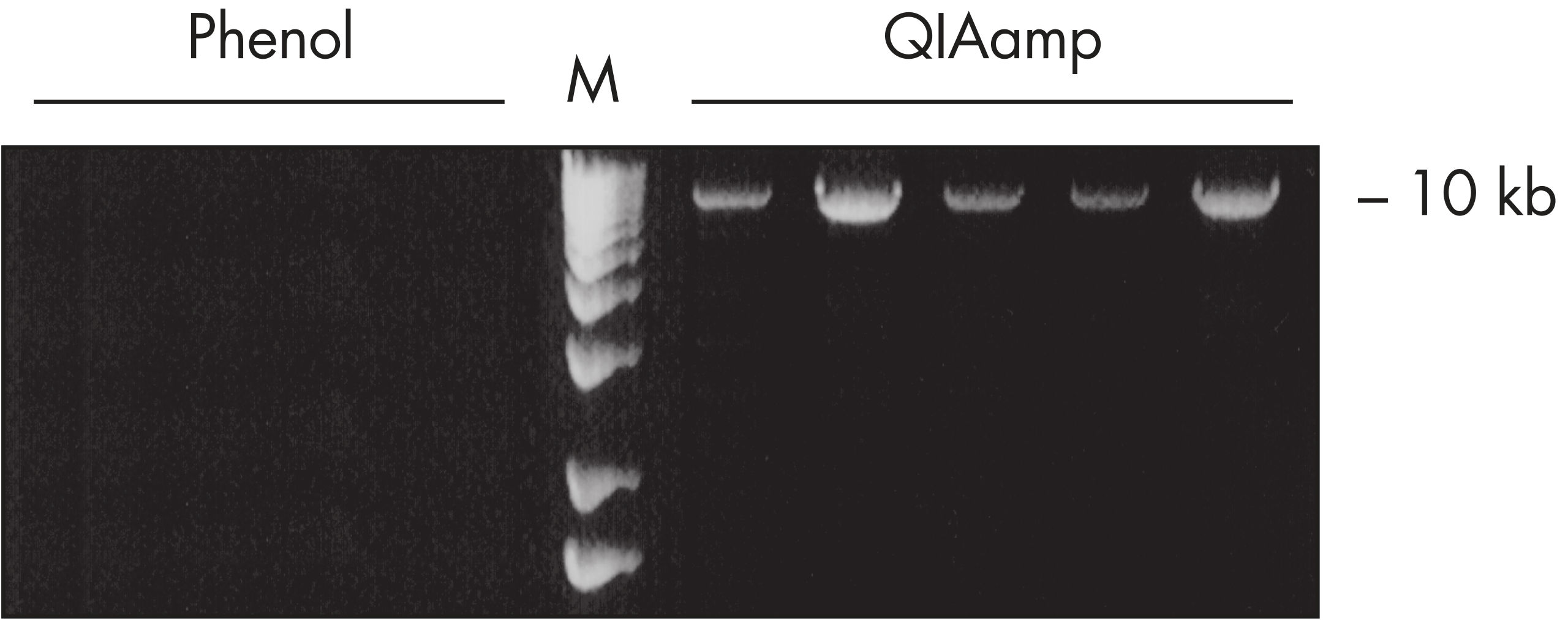
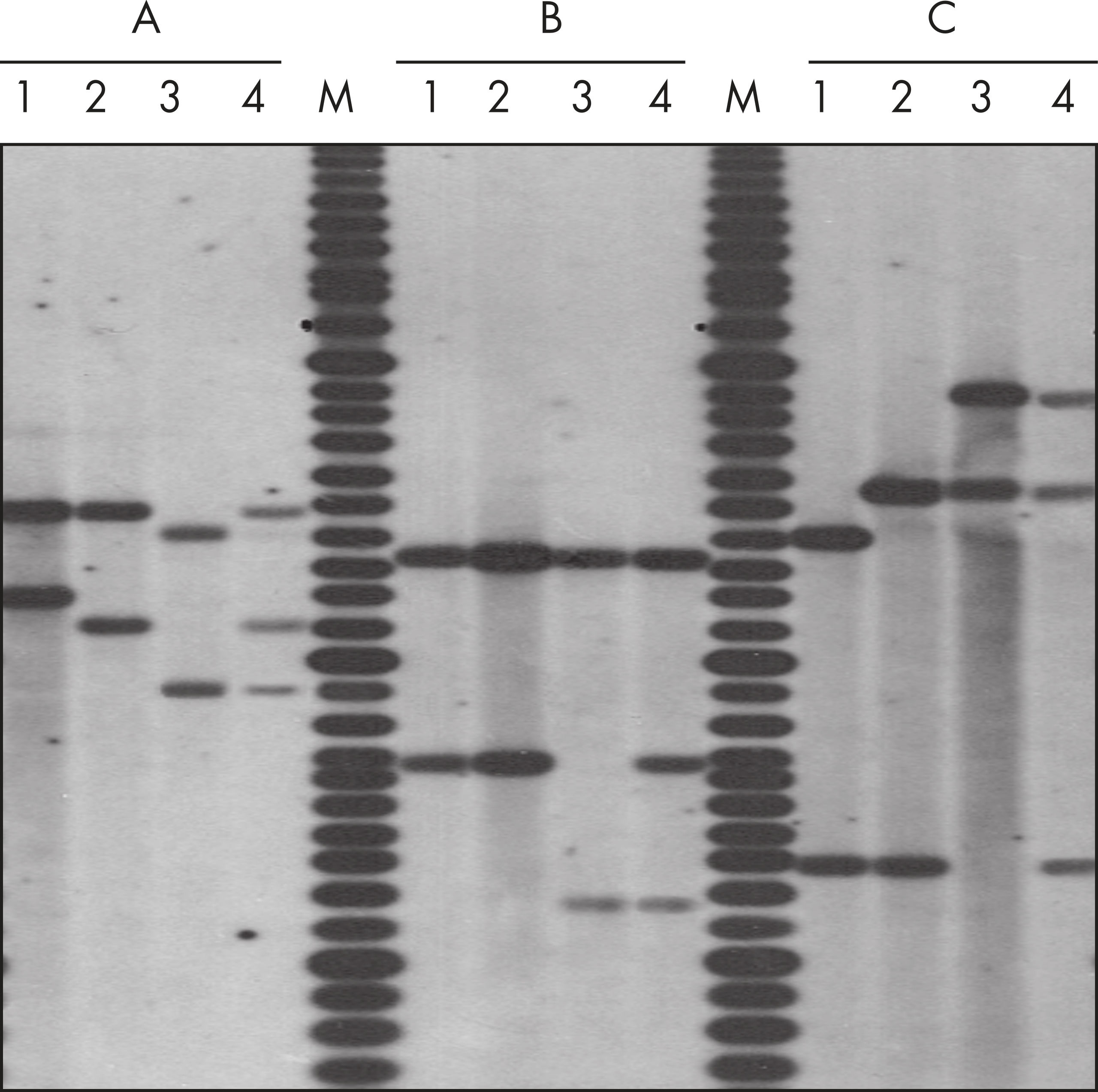
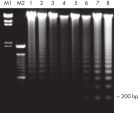
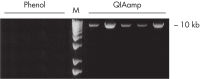
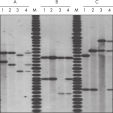
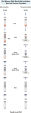
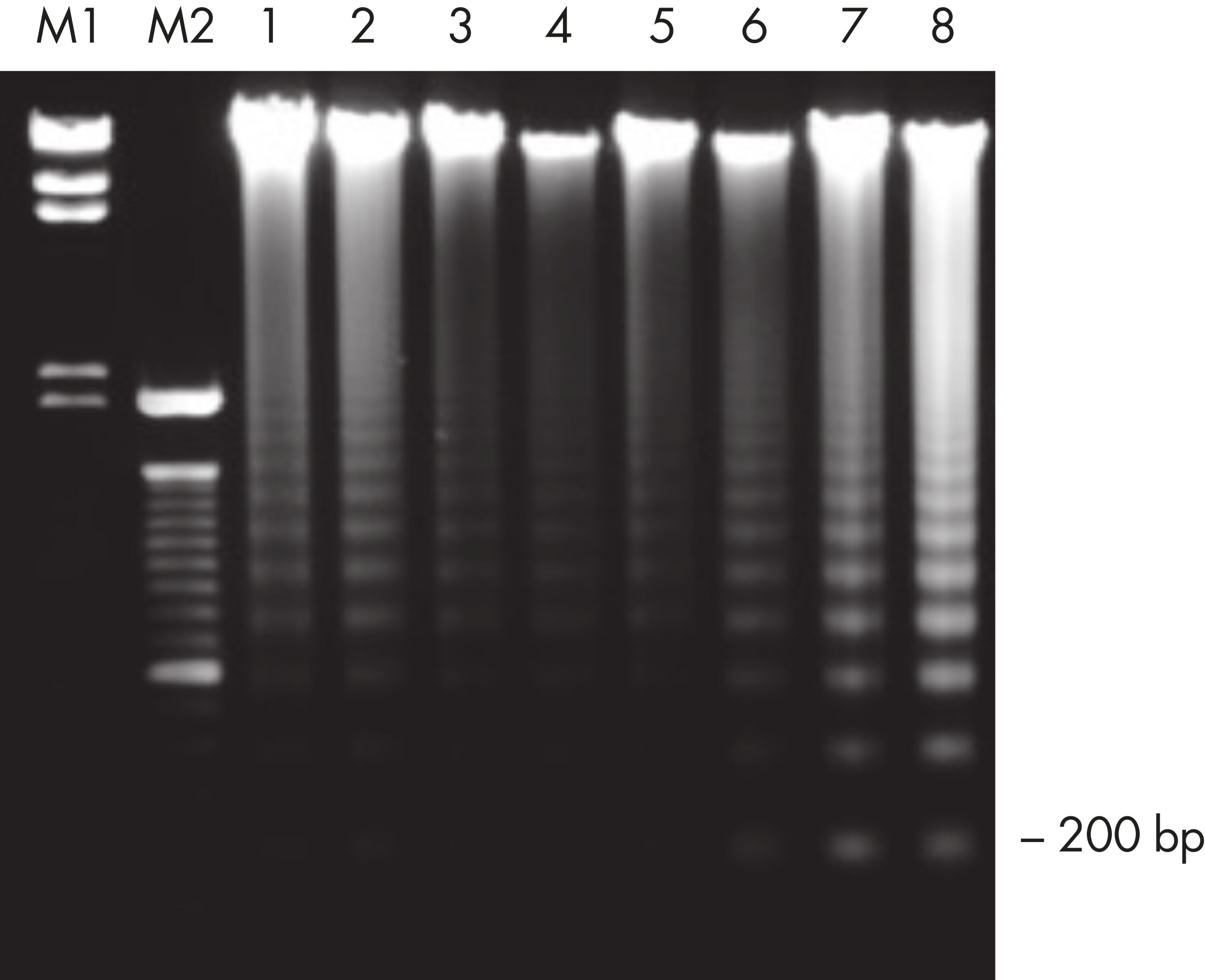
QIAamp DNA Blood Kit는 샘플의 보관 기간 및 보관 상태에 따라 200bp에서 50kb 까지의 다양한 크기의 DNA를 추출할 수 있습니다 (그림  '보관된 혈액의 세포사멸 밴드 패턴' 참조). 정제된 DNA는 긴 범위 PCR 증폭(long-range PCR amplification)(그림 ' 긴 범위 PCR' 참조) 및 제한효소 절편 길이 다형성(Restriction Fragment Length Polymorphism, RFLP) 분석, 예를 들면 친자 확인 검사(그림 ' RFLP 분석을 통한 친자 확인' 참조)에 적합합니다.
QIAamp DNA Blood Midi Kit는 최대 94.5%의 DNA 회수율을 보이고, QIAamp DNA Blood Maxi Kit는 시작 세포 밀도에 따라 최대 95.8%의 DNA 회수율을 보입니다(표 '세포 밀도 차이에 따른 인간 전혈의 DNA 수율' 참조).


세포 밀도 차이에 따른 인간 전혈의 DNA 수율
ml당 백혈구 DNA 수율(µg) DNA 회수율(%)
  QIAamp Midi QIAamp Maxi QIAamp Midi QIAamp Maxi
2.5 x 10⁵ 3.0 15.8 92.3 95.8
1.0 x 10⁶ 11.0 60.4 91.7 91.5
5.0 x 10⁶ 62.4 312.0 94.5 94.5
1.0 x 10⁷ 116.3 624.6 88.1 94.6

유전체 DNA는 2ml(QIAamp Midi) 또는 10ml(QIAamp Maxi)의 인간 전혈에서 정제하여 300µl(Midi) 또는 1ml(Maxi) 용출 완충액에서 용출했습니다. 첫 번째 용출액을 두 번째로 컬럼에 넣고 다시 원심분리했습니다(재용출). DNA 회수 백분율은 백혈구 하나당 6.6pg의 DNA를 함유하고 있다고 가정하여 계산했습니다.

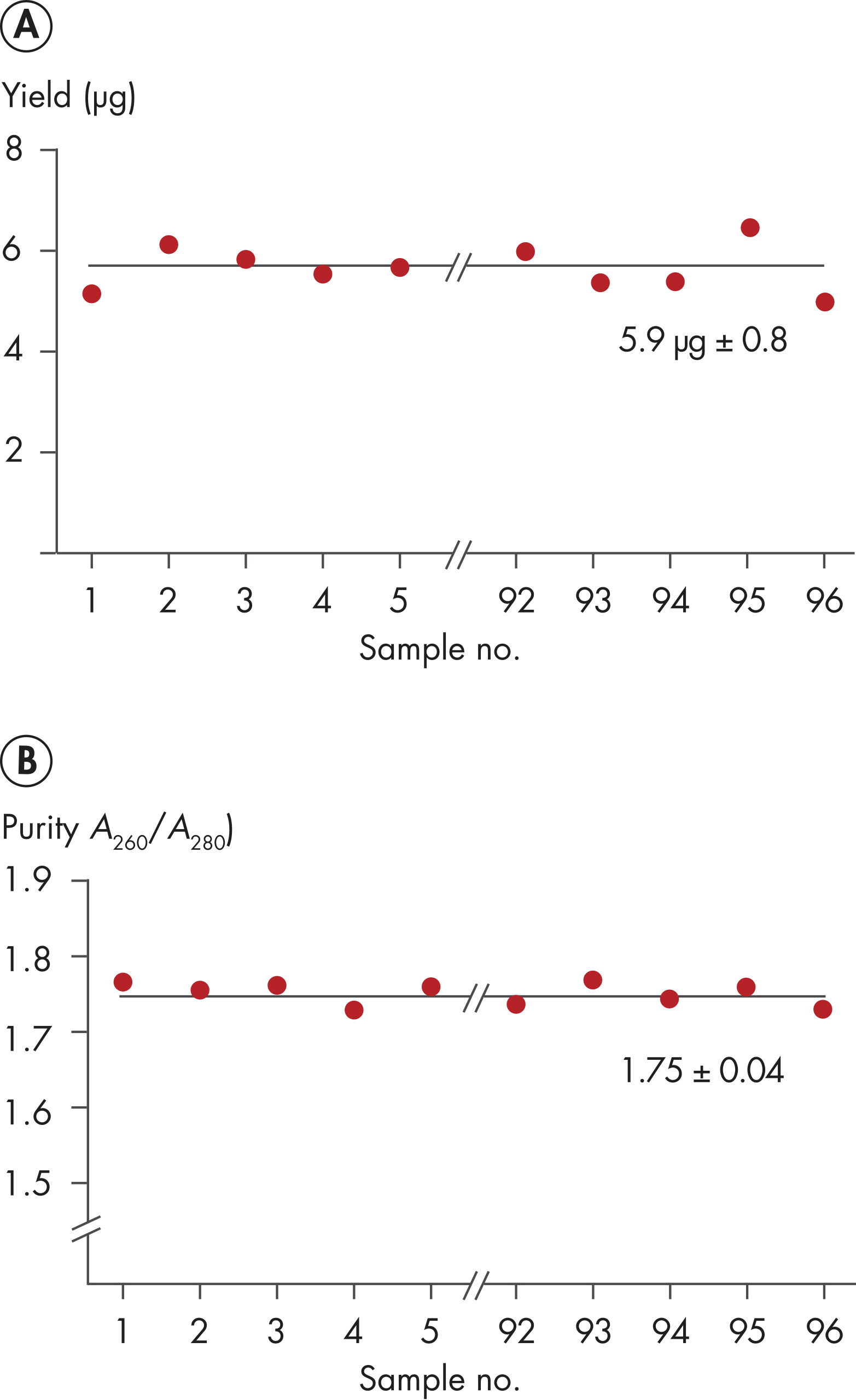
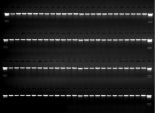
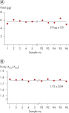
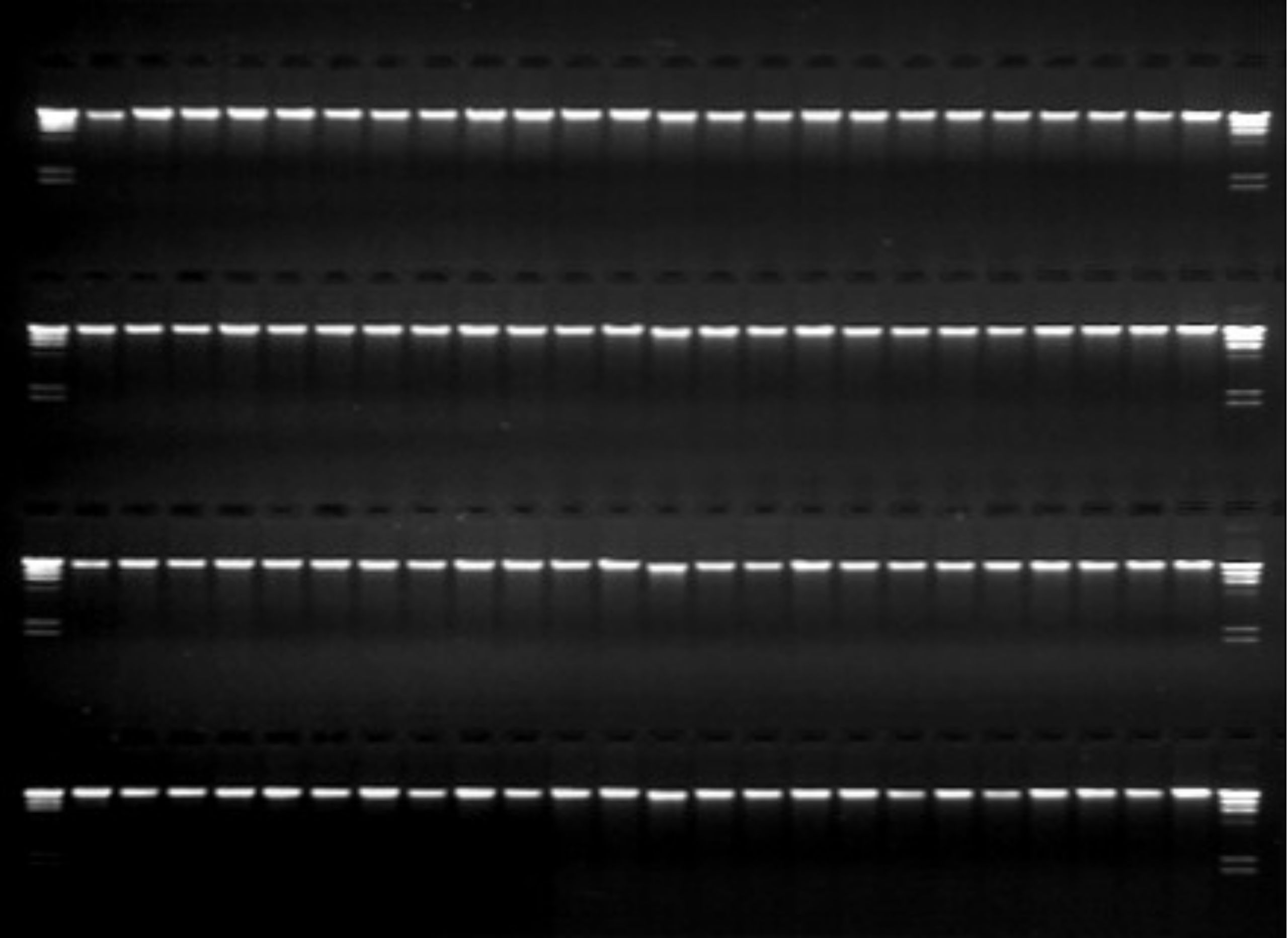
QIAamp 96 DNA Blood Kit는 최대 200µl 크기의 샘플을 처리할 수 있으며, 2~3시간 안에 192개의 샘플을 준비하여 준비 회당 1분 이내에 고순도 DNA를 생산합니다. 시간차를 두고 절차를 진행하면 처리량을 더 높일 수 있습니다. QIAamp 96 플레이트는 웰 간 균일한 DNA 회수 및 순도를 제공합니다(그림 ' 샘플 재현성' 및 ' 수율 및 순도의 재현성' 참조). 일반적인 수율은 건강한 전혈 200μl당 6μg이며 용출량은 50~200μl입니다.
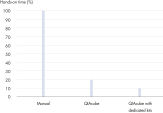
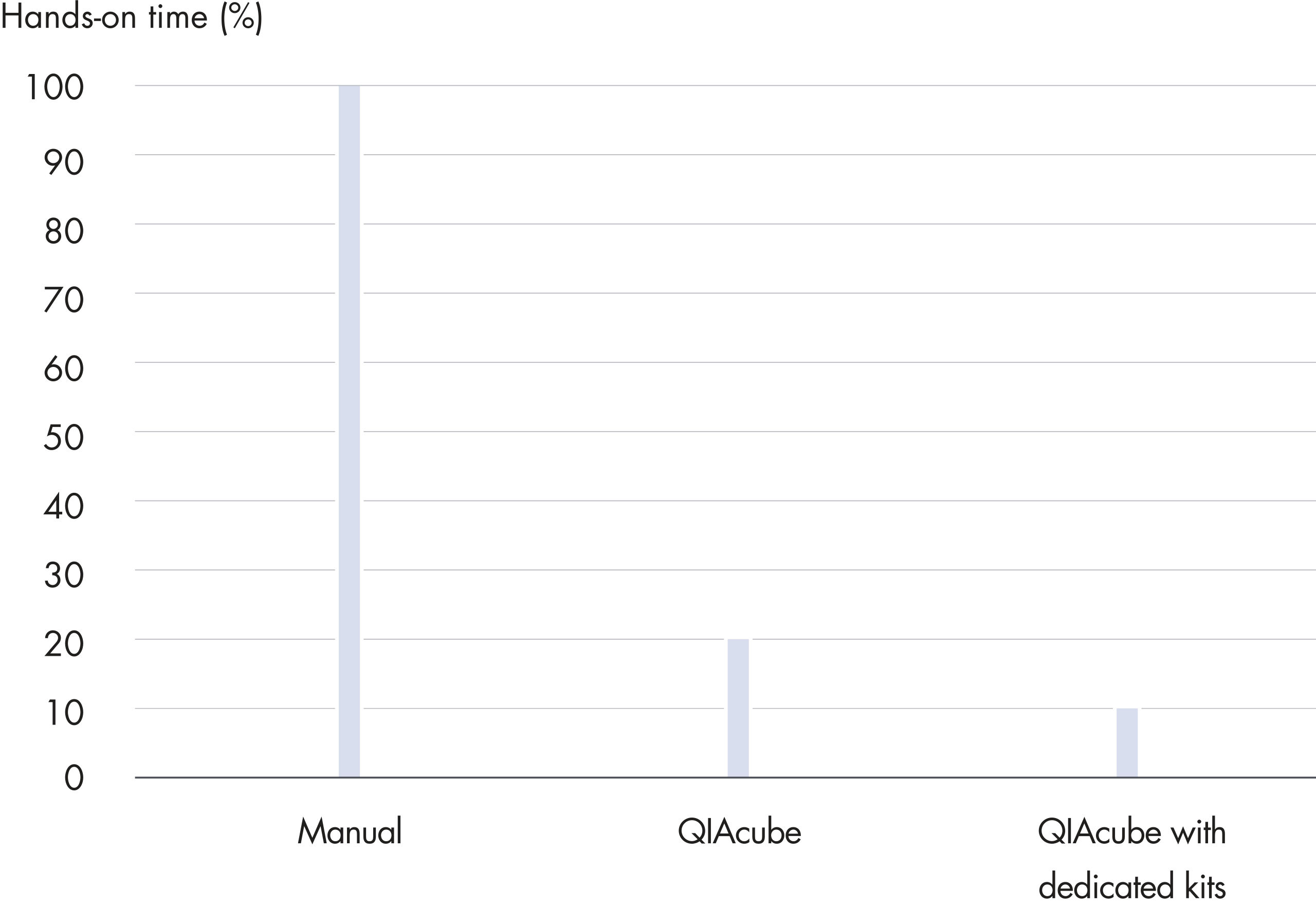
전용 QIAamp DNA Blood Mini QIAcube 키트를 사용하면 QIAcube Connect에서 혈액의 DNA를 자동으로 분리하고 체액에서 DNA를 분리할 수 있습니다. 이 키트에는 QIAamp 스핀 컬럼과 용출 튜브가 사전에 장착되어 있는 로터 어댑터가 포함되어 있어 편의성이 더욱 높으며 시간도 절약됩니다(그림 ' 상당한 시간 절약' 참조). 또한 사용 용이성이 향상되고 사용자 오류가 최소화됩니다. QIAcube Connect에서의 정제에 맞게 전용 키트의 내용물을 조정하였고 수동 절차에나 필요한 불필요한 튜브는 포함되지 않았기 때문에 낭비가 줄었습니다.
QIAcube Connect에서 자동화할 수 있는 QIAamp DNA Blood Mini Kit를 사용하는 경우 QIAamp DNA Blood Mini 액세서리 세트 A와 QIAamp DNA Blood Mini 액세서리 세트 B에서 자동화된 샘플 준비용으로 추가 완충액과 시약을 제공하므로 편리합니다.
원리

페놀-클로로포름 추출은 필요하지 않습니다. 오염 물질이 통과하는 동안 DNA는 QIAamp 실리카겔 멤브레인에 특이적으로 결합합니다. 2가 양이온 및 단백질과 같은 PCR 억제제는 효율적인 2단계 세척을 통해 완전히 제거되며, 키트와 함께 제공되는 정제수 또는 완충액에서 순수한 핵산이 용출됩니다. QIAamp DNA Blood 기술은 혈액 및 관련 체액에서 PCR 및 블로팅 절차에 바로 사용할 수 있는 유전체, 미토콘드리아 또는 바이러스 DNA를 생산합니다. QIAamp 샘플 준비 기술은 정식 라이선스를 받았습니다.

절차

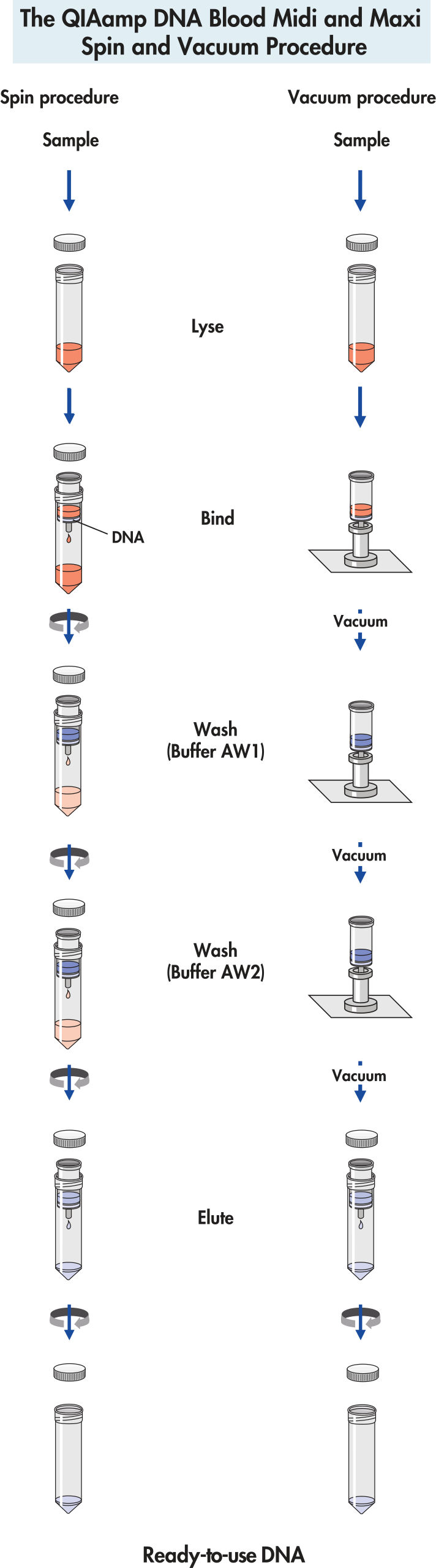
QIAamp DNA Blood Kit는 신속 스핀 컬럼, 진공, 원심분리 또는 자동화 절차를 통해 혈액에서의 DNA 정제 및 체액에서의 DNA 정제를 간소화합니다(그림 ' QIAamp 스핀 컬럼 절차' 참조). 구연산염, EDTA, 헤파린과 같은 일반적인 항응고제가 첨가된 신선 또는 냉동 전혈을 처리할 수 있습니다. 진공 매니폴드에서 QIAamp Midi 또는 Maxi 스핀 컬럼을 처리하는 경우 진공 매니폴드와 함께 사용하려면 추가 버퍼 AW1[카탈로그 번호 19081] 및 버퍼 AW2[카탈로그 번호 19072]가 필요합니다.

QIAamp DNA Blood Mini Kit를 활용한 진공 처리 방식

QIAamp DNA Blood Mini Kit를 사용하면 원심분리 대신 진공 방식으로 혈액을 처리할 수 있어 DNA 정제 속도가 더욱 빨라지고 편리합니다. QIAamp mini 스핀 컬럼은 VacValves와 VacConnectors를 사용하는 QIAvac 24 매니폴드에 들어갑니다. 샘플 유량이 크게 다를 경우에 일관된 진공을 보장하려면 VacValve를 사용해야 합니다. 교차 오염을 방지하기 위해 일회용 VacConnector를 사용합니다. VacConnectors를 사용하면 QIAvac Luer 어댑터를 사용하는 QIAvac 6S에서도 이러한 QIAamp 스핀 절차를 수행할 수 있습니다.

QIAcube Connect에서의 자동화 처리

수상에 빛나는 QIAcube Connect는 첨단 기술을 사용하여 QIAGEN 스핀 컬럼을 처리하므로 자동화된 저처리량 샘플 준비를 실험실 워크플로에 원활하게 통합할 수 있습니다. 정제 절차의 모든 단계는 전면 자동화되어 있으며, 한 번 실행에 최대 12개의 샘플을 처리할 수 있습니다. QIAcube Connect를 전용 QIAamp DNA Mini QIAcube 키트와 함께 사용하는 조합은 DNA를 빠르고 쉽고 편리하게 정제할 수 있는 뛰어난 조합입니다.

96-well 형식의 고처리량 처리

QIAamp 96 스핀 절차에는 96-well 블록에 적재되는 QIAamp 96 플레이트를 수용하려면 QIAGEN 96-well 플레이트 원심분리 시스템의 딥 로터 버킷이 필요합니다. EDTA, 구연산염, 헤파린과 같은 일반적인 항응고제가 처리된 신선 또는 냉동 전혈을 사용할 수 있습니다. 건조 전혈은 QIAGEN 기술 서비스나 현지 유통업체에서 제공하는 추가 장비와 특수 프로토콜을 사용하여 처리할 수 있습니다.

응용 분야

QIAamp DNA Blood Kit는 다양한 물질에서 DNA를 정제하기 위한 입증된 QIAamp 기술을 제공합니다. 샘플 출처는 다음과 같습니다.

  • 신선 및 냉동 전혈 또는 백혈구 연층
  • 혈장 또는 혈청
  • 골수
  • 림프구
  • 혈소판
  • 체액
  • 배양 세포
  • 면봉 및 구강 세포


QIAamp DNA Blood Kit 비교
특징 QIAamp DNA Blood Mini Kit QIAamp DNA Blood Midi Kit QIAamp DNA Blood Maxi Kit QIAamp 96 DNA Blood Kit
응용 분야 PCR, 긴 범위 PCR(long-range PCR), 서던 블로팅 PCR, 서던 블로팅 PCR, 블로팅 서던 블로팅, 유전체 매핑
용출량 50~200µl 100~400µl 500~2000µl 50~200µl
형식 스핀 컬럼 스핀 컬럼 스핀 컬럼 96-well 플레이트
주 샘플 유형 전혈, 체액 전혈, 체액 전혈, 체액 전혈, 체액
처리 수동(원심분리 또는 진공) 수동(원심분리 또는 진공) 수동(원심분리 또는 진공) 수동(원심분리 또는 진공)
총RNA, miRNA, poly A+ mRNA, DNA 또는 단백질 정제 유전체 DNA, 미토콘드리아 DNA, 바이러스 DNA 유전체 DNA, 미토콘드리아 DNA, 바이러스 DNA 유전체 DNA, 미토콘드리아 DNA, 바이러스 DNA 유전체 DNA, 미토콘드리아 DNA, 바이러스 DNA
샘플양 1~200µl 0.3~2ml 3~10ml <200µl
기술 실리카 기술 실리카 기술 실리카 기술 실리카 기술
실행당 또는 준비당 시간 20~40분 55분 55분 2~3시간(192개 샘플)
수율 4~12µg 20~60µg 300~600µg 6µg

지원되는 데이터 및 수치

리소스

키트 안내서 (8)
For large-scale genomic and viral DNA purification from whole blood, plasma, serum, body fluids, lymphocytes
全血、血漿、血清、体液、リンパ球からのゲノムおよびウイルスDNA大量精製用
사용자 개발 프로토콜 (2)
As starting material, 5 g soil was mixed with different amounts of Bacillus subtilis cells. Sensitivity was 5 x 10³ cells/5g soil.
브로셔 및 가이드 (7)
Second edition — innovative tools
Introducing QIAseq
PDF (450KB)
Accelerate your NGS performance through Sample to Insight solutions
안전보건자료 (1)
Download Safety Data Sheets for QIAGEN product components.
빠른 시작 프로토콜 (1)
기술 정보 및 중요 참고 사항 (2)
분석 증명서 (1)
Request a Certificate of Analysis and see the quality control data for your product.
Safety Data Sheets (1)
Certificates of Analysis (1)

출판물

A multiplex ligase detection reaction-fluorescent microsphere assay for simultaneous detection of single nucleotide polymorphisms associated with Plasmodium falciparum drug resistance.
Carnevale EP; Kouri D; DaRe JT; McNamara DT; Mueller I; Zimmerman PA;
J Clin Microbiol; 2006; 45 (3):752-61 2006 Nov 22 PMID:17121999
The association of sequence variants in DNA repair and cell cycle genes with cancers of the upper aerodigestive tract.
Hall J; Hashibe M; Boffetta P; Gaborieau V; Moullan N; Chabrier A; Zaridze D; Shangina O; Szeszenia-Dabrowska N; Mates D; Janout V; Fabiánová E; Holcatova I; Hung RJ; McKay J; Canzian F; Brennan P;
Carcinogenesis; 2006; 28 (3):665-71 2006 Oct 13 PMID:17040931
Individual-based assessment of population structure and admixture in Austrian, Croatian and German draught horses.
Druml T; Curik I; Baumung R; Aberle K; Distl O; Sölkner J;
Heredity (Edinb); 2006; 98 (2):114-22 2006 Oct 11 PMID:17035951
Quantification of genital human immunodeficiency virus type 1 (HIV-1) DNA in specimens from women with low plasma HIV-1 RNA levels typical of HIV-1 nontransmitters.
Benki S; McClelland RS; Emery S; Baeten JM; Richardson BA; Lavreys L; Mandaliya K; Overbaugh J;
J Clin Microbiol; 2006; 44 (12):4357-62 2006 Oct 18 PMID:17050820

FAQ

When should carrier be used with the QIAamp DNA Mini or the DNeasy Blood & Tissue Kit?

For DNA isolation using the QIAamp DNA Mini, or the DNeasy Blood & Tissue Kit, we recommend using carrier DNA when expected yields are below 10 ng. If possible, carrier DNAs such as poly-dA, poly-dT or poly-dA:dT should be used. Other carrier DNAs such as herring sperm DNA may interfere with subsequent PCR by binding primers nonspecifically.

Please note that poly-dA may interfere with oligo-dT primers, and, in this case, a different carrier DNA should be used. The concentration of carrier DNA should be at least 10 µg/ml. Optimal amounts need to be determined empirically for each application. The size distribution of carrier DNAs is typically in the range of 100 bp to 10 kb.

FAQ-100
Do you have a protocol for vacuum processing of blood samples with the QIAamp DNA Blood Midi or Maxi Kits?
Yes, please follow the Supplementary Protocol 'Purification of DNA from whole blood using the QIAamp DNA Blood Midi or Maxi Kit and vacuum processing on the QIAvac 24 Plus' (QA33).  Please contact Technical Service for this protocol.
FAQ-1011
How do I safely inactivate biohazardous flow-through material?

Always dispose of potentially biohazardous solutions according to your institution’s waste-disposal guidelines. Although the lysis and binding buffers in QIAamp, DNeasy, and RNeasy kits contain chaotropic agents that can inactivate some biohazardous material, local regulations dictate the proper way to dispose of biohazards. DO NOT add bleach or acidic solutions directly to the sample-preparation waste. Guanidine hydrochloride in the sample-preparation waste can form highly reactive compounds when combined with bleach.
Please access our Material Safety Data Sheets (MSDS) online for detailed information on the reagents for each respective kit.

FAQ-12
Are QIAamp DNA isolation kits suitable for apoptosis studies?

Yes. We have used the QIAamp DNA Blood Mini Kit to purify DNA fragments as small as 168 base pairs. Our product profile for this kit shows a picture of the apoptotic banding pattern obtained after storage of blood samples at 4°C for extended periods of time prior to isolating DNA.


FAQ-149
What dedicated QIAcube Kits are available?
What is the cellular composition of human blood?

One milliliter of healthy human blood consists of cell types in approximately the following numbers:

  • Leucocytes (function: immune response) 4–7 x 10⁶ cells
  • Thrombocytes (function: wound closing) 3–4 x 10⁸ cells 
  • Erythrocytes (function O2 and CO2 transport) 5 x 10⁹ cells
FAQ-2951
How can I precipitate genomic DNA using isopropanol?

Alcohol precipitation is commonly used for concentrating, desalting, and recovering nucleic acids. Since less alcohol is required for isopropanol precipitation, this is the preferred method for precipitation of DNA from large volumes. In addition, isopropanol precipitation can be performed at room temperature, which minimizes co-precipitation of salt that interferes with downstream applications.


Procedure

  1. Adjust the salt concentration, for example, with sodium acetate (0.3 M, pH 5.2, final concentration) or ammonium acetate (2.0–2.5 M, final concentration).
  2. Add 0.6–0.7 volumes of room-temperature isopropanol to the DNA solution and mix well.
  3. Centrifuge the sample immediately at 10,000–15,000 x g for 15–30 min at 4°C
  4. Carefully decant the supernatant without disturbing the pellet.
  5. Wash the DNA pellet by adding 1–10 ml (depending on the size of the preparation) of room-temperature 70% ethanol. This removes co-precipitated salt and replaces the isopropanol with the more volatile ethanol, making the DNA easier to redissolve.
  6. Centrifuge at 10,000–15,000 x g for 5–15 min at 4°C.
  7. Carefully decant the supernatant without disturbing the pellet.
  8. Air-dry the pellet for 5–20 min (depending on the size of the pellet).
  9. Redissolve the DNA in a suitable buffer.

Tip: Use a buffer with a pH of 7.5–8.0, as DNA does not dissolve easily in acidic buffers. Often distilled water can have an acidic pH. The addition of EDTA protects the DNA from DNase digestion.

Tip: High-molecular-weight DNA, such as genomic DNA, should be redissolved very gently to avoid shearing. If the DNA pellet does not dissolve easily, heat at 55°C for 1–2 h with gentle shaking.

FAQ-2953
How do I perform a DNA precipitation to concentrate my sample?
  • Add 1/10 volume of 3 M Na-Acetate pH 5.2, and 2 to 2.5 volumes of ice-cold 100% ethanol to the DNA sample
  • Mix, and store at –20°C for at least 1 h to precipitate the DNA
  • Recover the precipitated DNA by centrifugation at full speed in a microcentrifuge for 15–20 min
  • Pour off the ethanol and wash the pellet twice with room-temperature 70% ethanol
  • Allow the DNA pellet to air-dry
  • resuspend the DNA in a suitable volume of sterile TE buffer or distilled water
FAQ-305
How can QIAGEN Protease and Proteinase K be inactivated?

QIAGEN Protease is inactivated by incubation at 70°C for 15 minutes.

To our knowledge, Proteinase K cannot be completely heat-inactivated. Even when incubating at 95°C for 10 minutes, some enzymatic activity remains. This will not negatively affect the QIAamp Procedure, since the enzyme will be efficiently removed by the wash steps in the protocols.

FAQ-315
Do any of the kit components or the product packaging of the QIAamp 96 DNA Blood Kit contain latex?
There is no latex in either the product or the packaging of the QIAamp 96 DNA Blood Kit.
FAQ-318
What is the minimum number of cells that can be efficiently processed with the QIAamp DNA Mini and QIAamp Blood Mini kits and what is the expected yield?
In QIAGEN labs, we have isolated DNA from a minimum of 1000 cells or 1 ul of whole blood sample. The expected yield from 1 ul of whole blood with 4000-7000 leukocytes is 30 ng of genomic DNA. The expected yield of genomic DNA from a single eukaryotic cell is 6 pg. However, please bear in mind that for these small quantities, we would recommend the QIAamp DNA Micro kit instead.
FAQ-3516
Is the quality and size of DNA extracted with the QIAamp DNA Mini and QIAamp Blood Mini kit good enough to generate DNA-libraries for next generation sequencing (NGS)?
The size of DNA obtained with QIAamp DNA Mini and QIAamp Blood Mini kit ranges between 100 bp and 50 kb, with 30 kb fragments predominating. The 30 kb fragments are a good starting point for most of the library preparations. Furthermore, the purified DNA is free of protein, nucleases, and other contaminants and inhibitors, and therefore is suitable for NGS.
FAQ-3518
Do you have stability data for genomic DNA isolated with the QIAamp DNA Blood Mini Kit?

Yes. We have shown that DNA purified with the QIAamp DNA Blood Mini Kit is stable for at least 10 years at either 2–8ºC or –20ºC. However, our data indicates that DNA stability is dependent upon elution buffer used for storage. For detailed information on this stability study see the QIAGEN News Article for the first part of the study and then the continuing study data at the 10 year mark.   

FAQ-518
Is it possible to isolate DNA from bone marrow with the QIAamp DNA Blood Kits?

Yes. Please follow the Blood and Body Fluid Spin Protocol in the QIAamp DNA Mini and QIAamp DNA Blood Mini Kit Handbook. No more than 5 x 10⁶ cells should be used. When using the Midi or Maxi format, please follow the protocol for Isolation of DNA using the QIAamp DNA Blood Midi or Maxi Kit in the QIAamp Blood Midi and QIAamp Blood Maxi Handbook. The maximum number of cells to use is 2 x 10and 1 x 10⁸, respectively.

FAQ-563
Why does the QIAamp DNA Mini Tissue Protocol require both ATL and AL buffer, while the Blood Protocol only uses AL?

Tissue is more difficult to lyse than cells in a blood sample. Therefore an additional incubation step in buffer ATL containing Proteinase K is included in the Tissue Protocol to achieve complete sample lysis. Blood cells will directly lyse by incubation in Buffer AL containing QIAGEN Protease. Buffer AL is required in both protocols to ensure appropriate conditions for DNA binding to the silica membrane. For further details on the protocols, please refer to the QIAamp DNA Mini and QIAamp DNA Blood Mini Kit Handbook.

FAQ-633
What is the average amount of DNA and RNA present in 1 ml normal serum?

According to an Interview with Professor Dennis Lo published in QIAGEN News Molecular Diagnostics, Issue No. 5, 2002, healthy individuals have about 500-1000 genome equivalents (DNA) per ml serum/plasma.

For free-circulating DNA in plasma, the concentration can range from 1–100 ng/ml in healthy individuals.

FAQ-635
What can be used as an alternative to the A260 measurement for quantification of small amounts of RNA and DNA?

Small amounts of RNA and DNA may be difficult to measure spectrophotometrically. Fluorometric measurements, or quantitative RT-PCR and PCR are more sensitive and accurate methods to quantify low amounts of RNA or DNA.

Fluorometric measurements are carried out using nucleic acid binding dyes, such as RiboGreen® RNA Quantitation Reagent for RNA, and PicoGreen® DNA Quantitation Reagent for DNA (Molecular Probes, Inc.).

FAQ-728
What is the composition of buffer AE?

The composition of Buffer AE is:

  • 10 mM Tris-Cl
  • 0.5 mM EDTA; pH 9.0.
FAQ-730
Do I need to have EDTA in the buffer in which I am going to store my isolated genomic DNA?

EDTA chelates divalent cations which are required for nuclease activity. While the genomic DNA (gDNA) extracted using QIAGEN products, should not have any nuclease activity, it is possible to introduce nucleases during repeated long-term access of the DNA. EDTA helps to prevent any nuclease activity introduced after the genomic DNA extraction procedures.

However, if the gDNA is stored frozen at -20oC or -80oC, nuclease activity is much reduced. It may be possible to leave EDTA out of the storage buffer without negative consequences when samples are kept under these conditions, and when repeated freeze-thaw cycles are avoided.

We do recommend however that gDNA be stored in a neutral to a slightly basic buffered solution (e.g. 10 mM Tris-Cl pH 8.5 to 9.0) to prevent DNA degradation by acid hydrolysis. Note that deionized water mostly has an acidic pH.

FAQ-754
What is the difference between QIAGEN Protease and QIAGEN Proteinase K provided in various QIAamp Kits?

QIAGEN Proteinase K is a subtilisin-type protease, which cleaves at the carboxyl side of hydrophobic, aliphatic and aromatic amino acids. It is particularly suitable for short digestion times. It possesses a high specific activity over a wide range of temperatures and pH values with substantially increased activity at higher temperature. Soluble calcium is not essential for enzymatic activity. This means that EDTA, which is used to inhibit Mg2+-dependent enzymes such as nucleases, will not inhibit Proteinase K activity.

QIAGEN Protease is a broad-specificity Serine protease with high activity, cleaving preferentially at neutral and acidic residues. It is an economical alternative to Proteinase K for isolation of native DNA and RNA from a variety of samples.

FAQ-761
Do you have a protocol for Streptokinase treatment of clotted blood?
Yes, please follow the User-Developed Protocol 'Streptokinase treatment of clotted blood' (QA12). The protocol is for use with the QIAamp DNA Blood Mini Kit .
FAQ-912
Do you have a protocol for detection of HBV DNA by PCR?

Yes, please follow the User-Developed Protocol 'Detection of HBV DNA by PCR' (QA15). The procedure is for use with the QIAamp DNA Blood Mini Kit.  Please contact Technical Service for this protocol.

FAQ-915
Do you have a protocol for isolation of genomic DNA from saliva and mouthwash?

Yes, we have the following protocols:

  • Isolation of genomic DNA from saliva and mouthwash using the QIAamp DNA Mini Kit; vacuum procedure (QA19v)
  • Isolation of genomic DNA from saliva and mouthwash using the QIAamp DNA Mini Kit; spin procedure (QA19s)
  • Isolation of genomic DNA from saliva using the DNeasy Blood & Tissue Kit; spin procedure (DY07)
FAQ-917
Do you have a protocol for isolation of genomic DNA from dried blood spots using the QIAamp 96 DNA Blood Kit?

Yes, we please follow the Supplementary Protocol 'Isolation of genomic DNA from dried blood spots using the QIAamp 96 DNA Blood Kit' (QA22).  Please contact Technical Service for this protocol.

FAQ-919
Do you have a protocol for isolation of bacterial DNA from soil?