QIAamp DNA Blood Kits – Genomic DNA Extraction

血液やその他の体液からのゲノムDNA、ミトコンドリアDNA、またはウイルスDNAの精製

S_1433_RPA_QA0943

✓ オンライン注文による24時間年中無休の自動処理システム

✓ 知識豊富で専門的な製品&テクニカルサポート

✓ 迅速で信頼性の高い(再)注文

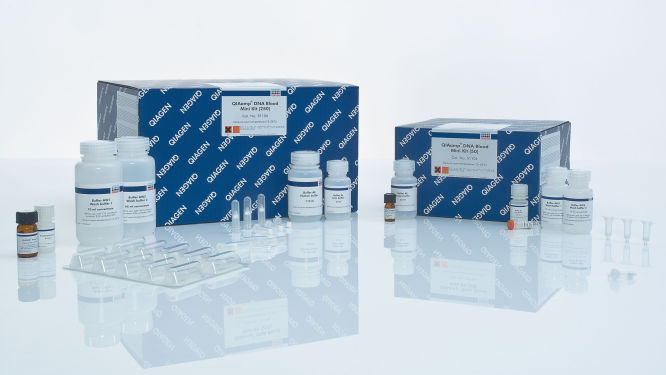
QIAamp DNA Blood Mini Kit(50)

カタログ番号 / ID.   51104

DNAミニプレップ50回分:QIAamp Mini Spin Columns50本、QIAGEN Protease、試薬、バッファー、 Collection Tubes(2 ml)
キット付属品
QIAamp DNA Blood Kit
QIAamp DNA Blood Mini Accessory Set
カラムタイププレートタイプ
Mini
Mini QIAcube
Midi
Maxi
96 well
調製
50
250
QIAamp DNA Blood Kitは分子生物学的アプリケーション用であり、疾病の診断、予防、あるいは治療に使用することはできません。

✓ オンライン注文による24時間年中無休の自動処理システム

✓ 知識豊富で専門的な製品&テクニカルサポート

✓ 迅速で信頼性の高い(再)注文

特徴

  • 高品質DNAの高速精製、すぐに使えるDNA
  • 有機溶媒による抽出もアルコールの沈殿も不要
  • 一貫性があり、高収量
  • 汚染物質や阻害物質を完全に除去して高い信頼性の結果
  • キットフォーマットは低スループットから高スループットまで対応可能、すべてのキットに自動化のオプション

製品詳細

QIAamp DNA Blood Kitは、シリカ膜を用いて全血、血漿、血清、その他の体液からDNAを精製するキットです。200 μlから最大10 mlの新鮮または冷凍されたヒト全血まで、さまざまなサンプル量に対応しています。QIAampスピンカラムは遠心分離機または真空マニホールドで簡単に処理でき、96ウェルフォーマットを用いた遠心分離で血液、バフィーコート、血漿、血清、骨髄、リンパ球、体液などからの高スループットなDNA精製が可能です。また、QIAcube Connectを使用し、1~12サンプルの自動精製を行う専用キットも提供しています。

パフォーマンス

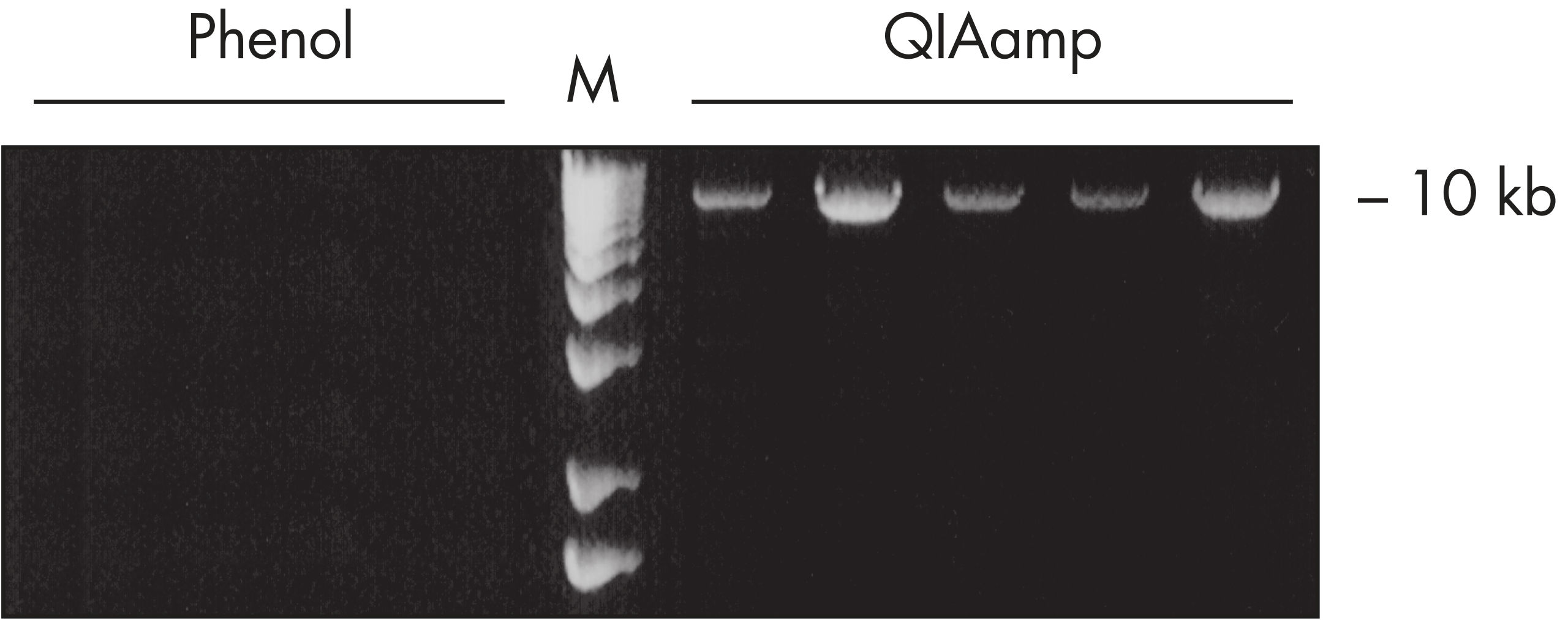
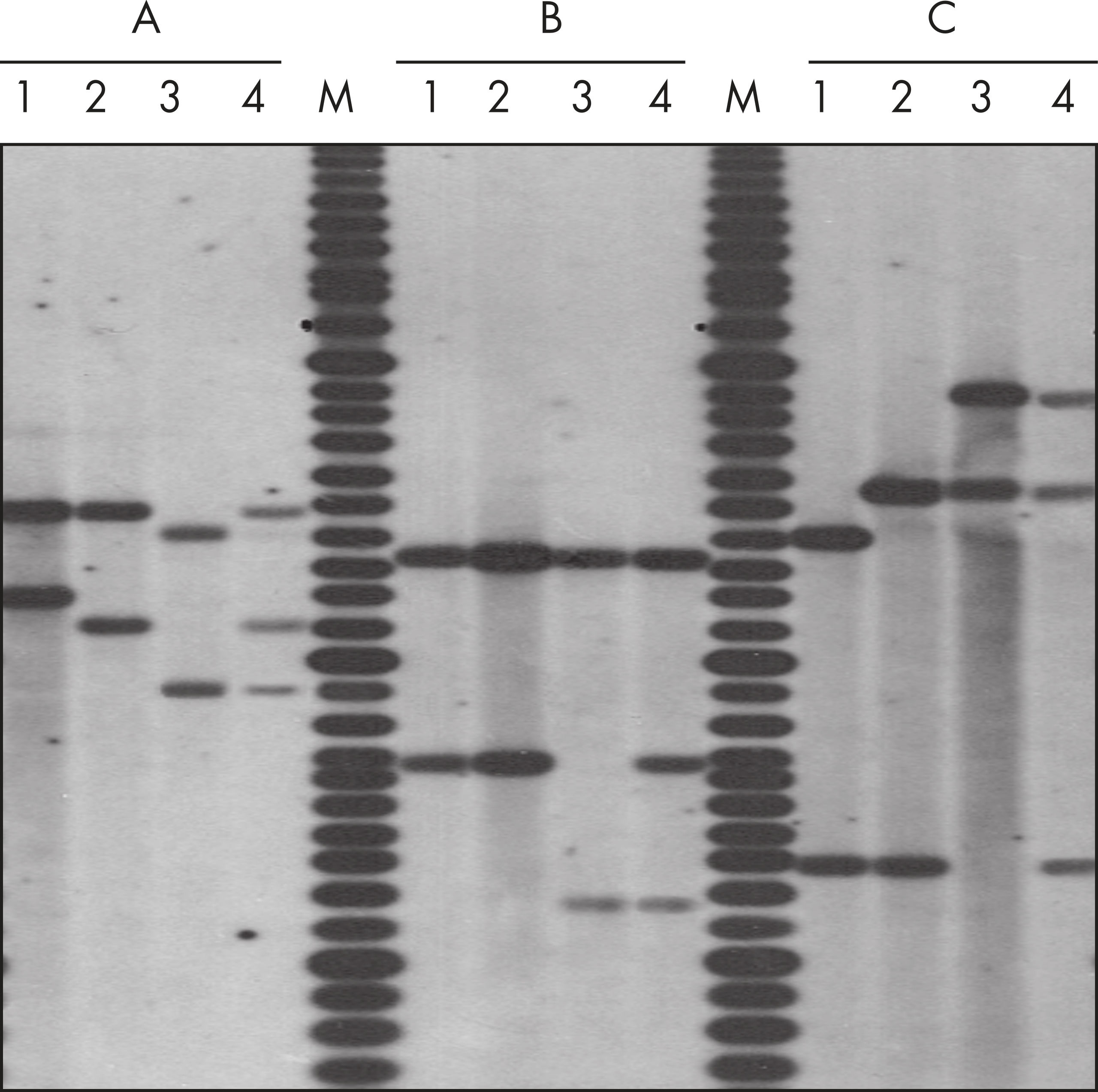
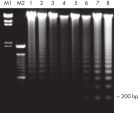
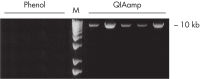
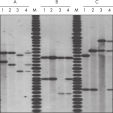
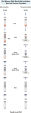
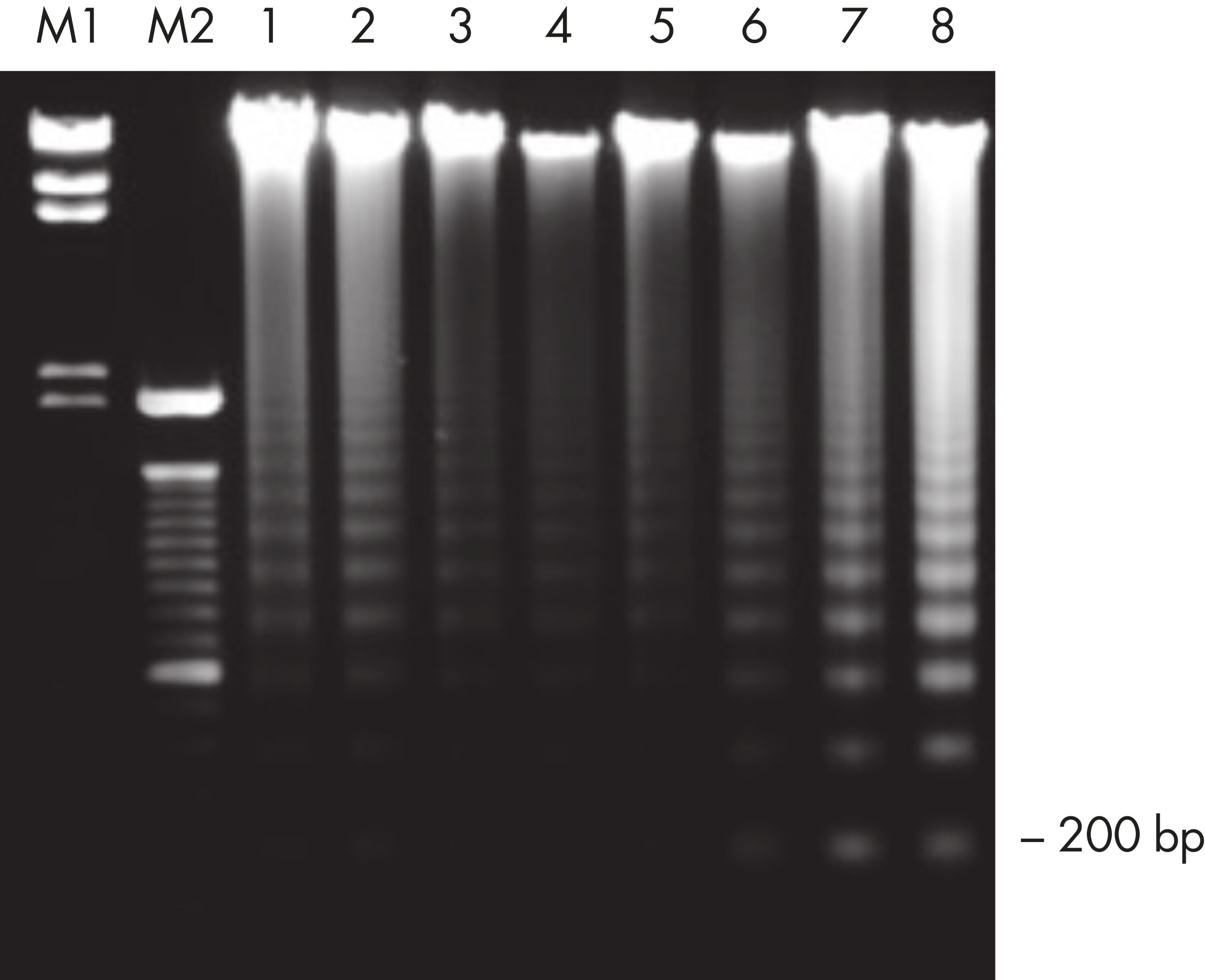
QIAamp DNA Blood Kitは、サンプルの経過時間と保存状態に応じて200 bp~50 kbの長さのDNAを回収できます(図 「保存血液におけるアポトーシス性結合」を参照)。精製されたDNAはロングレンジPCRによる増幅に最適で(図「 ロングレンジPCR」を参照)、制限断片長多型(RFLP)解析は、例えば父子鑑別に利用されます(図「 RFLP解析を使った父子鑑別」を参照)。
開始細胞の濃度に応じて、QIAamp DNA Blood Midi Kitは最大94.5%、QIAamp DNA Blood Maxi Kitは最大95.8%のDNAを回収可能です(表「異なる細胞濃度のヒト全血からのDNAの収率」)。


異なる細胞濃度のヒト全血からのDNAの収率
白血球/ml DNA収量(µg) DNA回収率(%)
  QIAamp Midi QIAamp Maxi QIAamp Midi QIAamp Maxi
2.5 x 10⁵ 3.0 15.8 92.3 95.8
1.0 x 10⁶ 11.0 60.4 91.7 91.5
5.0 x 10⁶ 62.4 312.0 94.5 94.5
1.0 x 10⁷ 116.3 624.6 88.1 94.6

DNA回収率は白血球1個が6.6 pgのDNAを含むという前提で算出されている。ゲノムDNAは、ヒト全血2 ml(QIAamp Midi)または10 ml(QIAamp Maxi)から精製され、300 µl(Midi)または1 ml(Maxi)の溶出バッファーで溶出されました。初回の溶出液は再度カラムにロードし、再度遠心分離を行いました(すなわち再溶出)。DNA回収率は、1個の白血球が6.6 pgのDNAを含むという前提で算出されました。

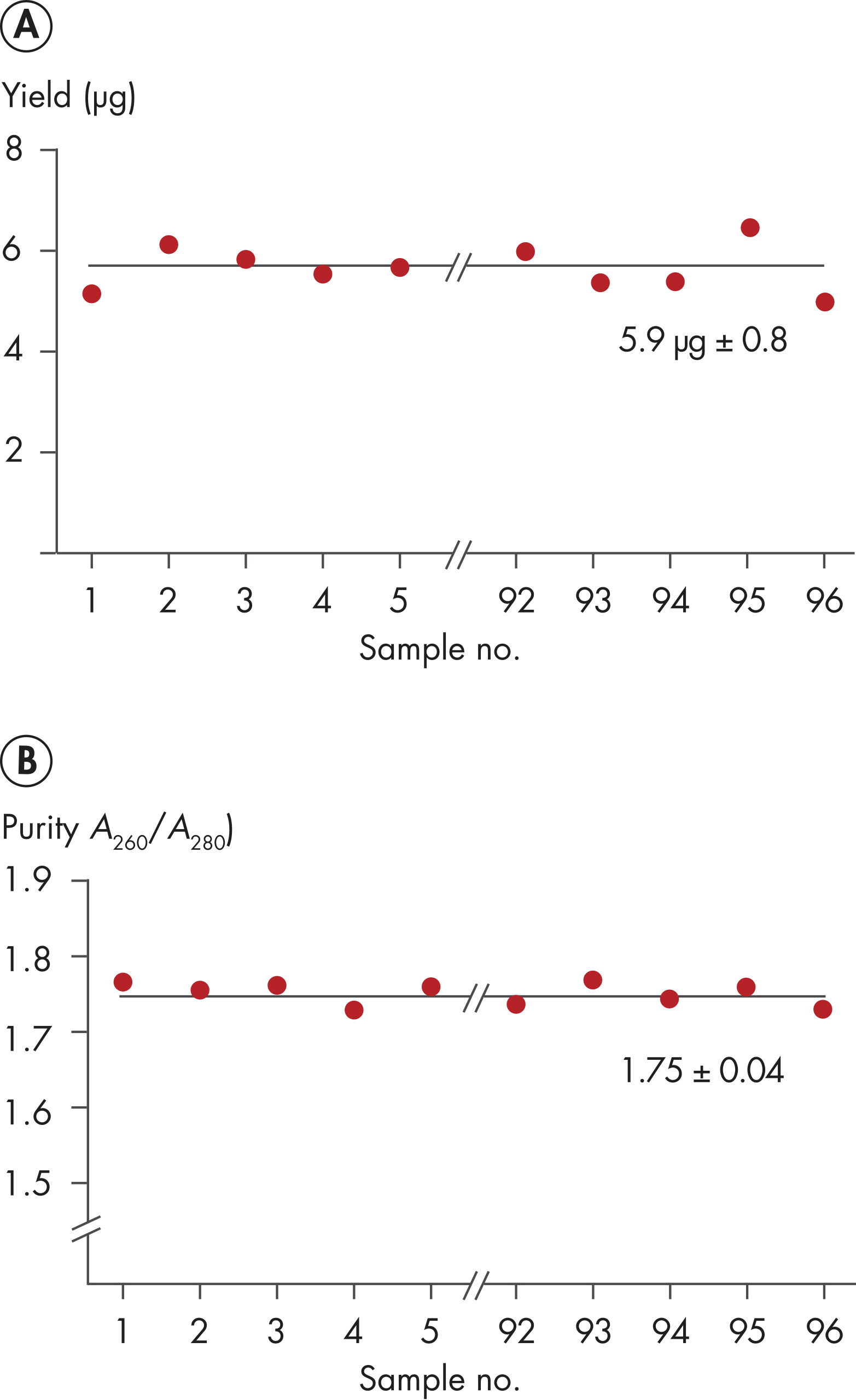
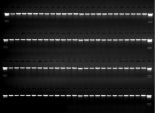
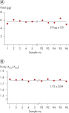
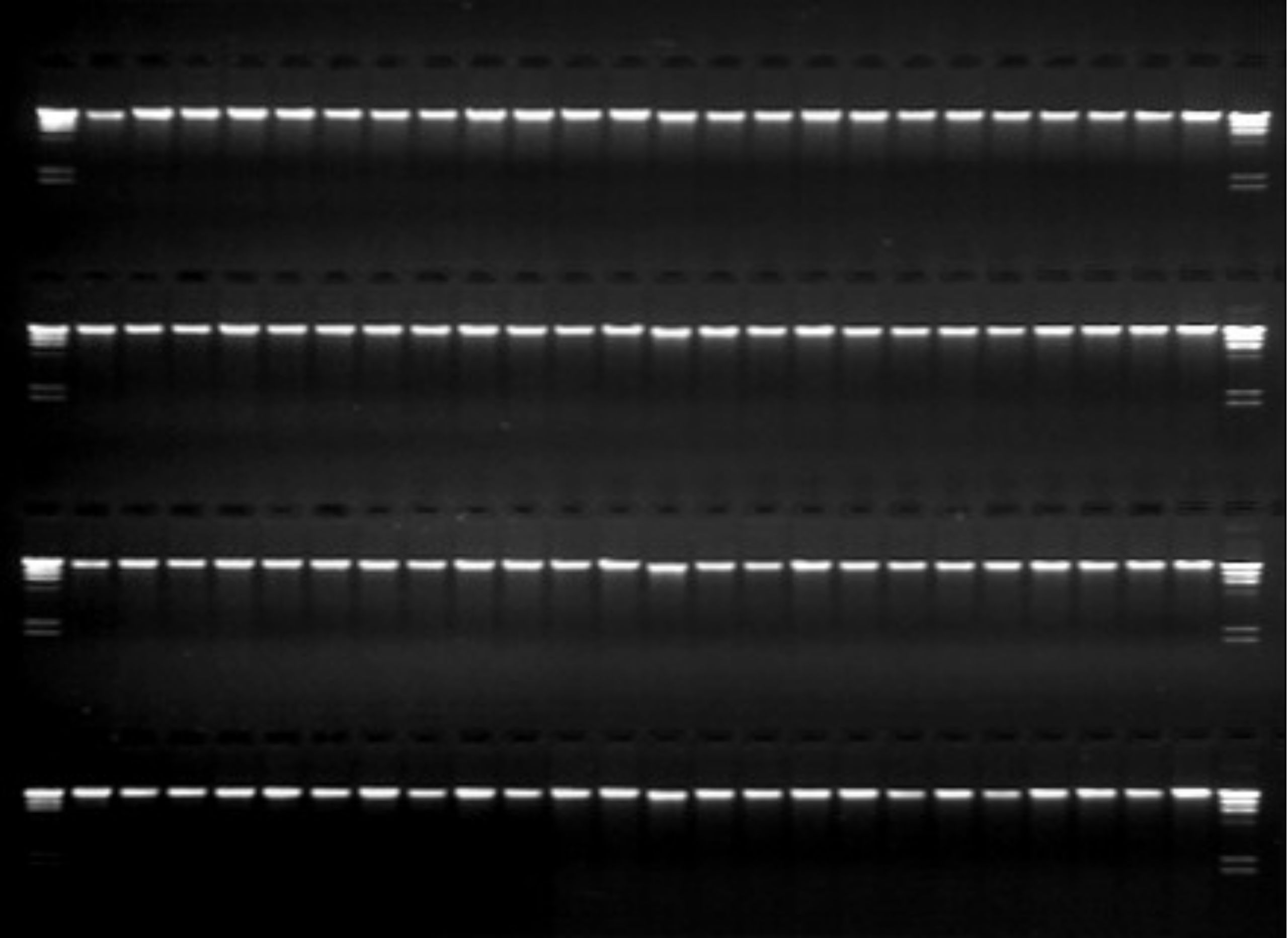
QIAamp 96 DNA Blood Kitは、最大200 µlのサンプルを処理でき、2~3時間で192サンプルを調製し、1回の処理につき1分未満で高純度のDNAを回収できます。手順をずらすことで、さらに高いスループットを実現することも可能です。QIAamp 96プレートは、DNA回収率と純度においてウェル間の均一性を提供します(図「 サンプルの再現性」および「 収量および純度の再現性」を参照)。通常の収量は200 µlの健康な全血から6 µgで、溶出量は50~200 µlです。
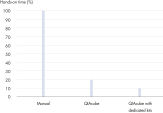
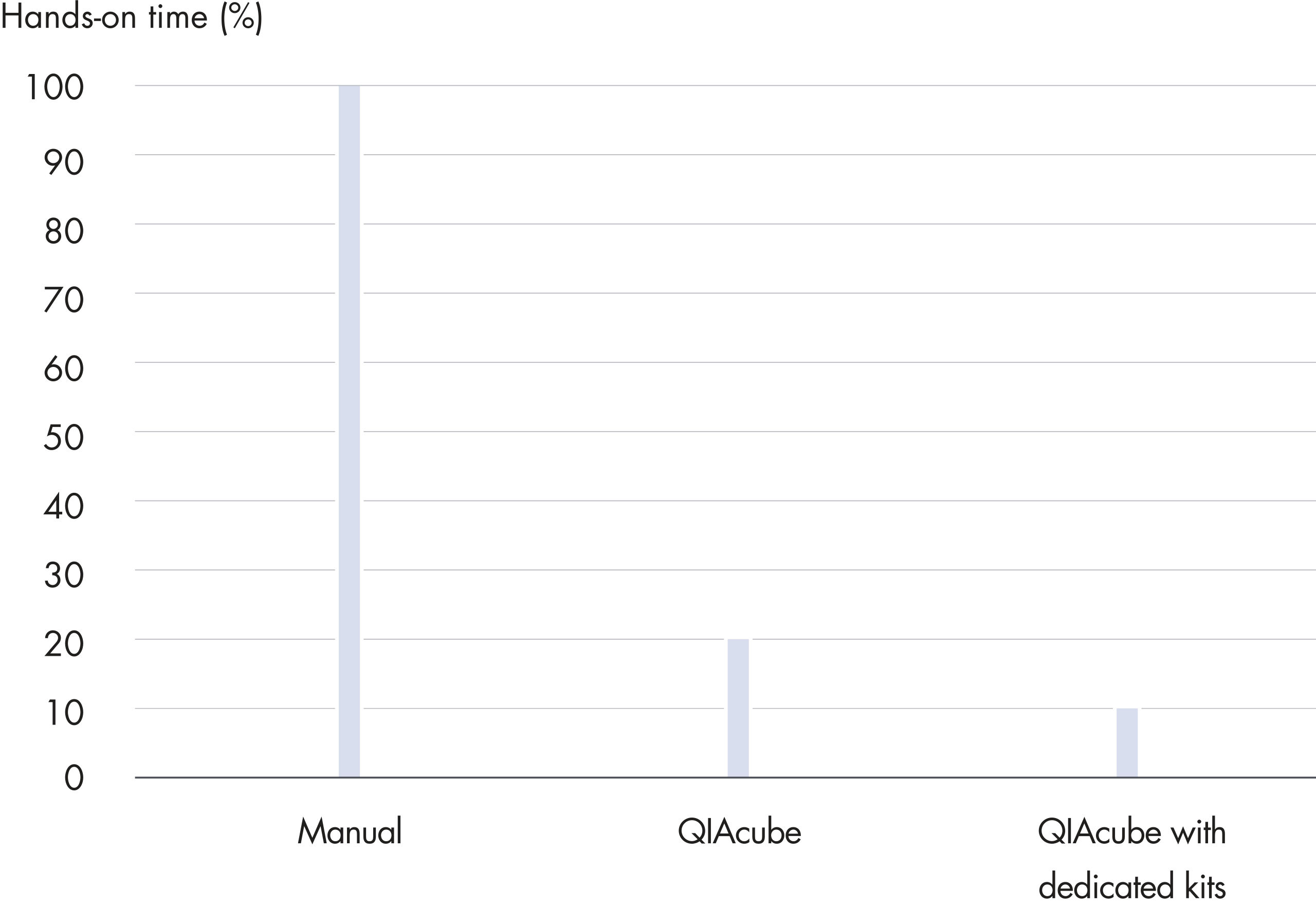
QIAcube Connectに専用のQIAamp DNA Blood Mini QIAcube Kitを使用すると、血液および体液からのDNA分離が自動化できます。キットには、あらかじめQIAampスピンカラムと溶出チューブが搭載されたローターアダプターが含まれており、時間と手間を大幅に節約できます(図「 時間と手間を大幅に節約」を参照)。さらに、使いやすさが向上し、ユーザーエラーの可能性を最小限にします。専用キットの内容物はQIAcube Connectを使った精製に合わせており、手動のプロセスに必要な余分なチューブは含まれていないため、廃棄物も削減されます。
自動化が可能なQIAamp DNA Blood Mini KitをQIAcube Connectで使用する場合、QIAamp DNA Blood Mini Accessory Set AおよびQIAamp DNA Blood Mini Accessory Set Bを併用すると、予備のバッファーと試薬が付属しており、自動でサンプル調製を行うのに便利です。
原理

フェノール–クロロホルム抽出は必要ありません。DNAはQIAampシリカゲル膜に特異的に結合する一方、汚染物は通過します。2価カチオンやタンパク質などのPCR阻害物質は、2回の効率的な洗浄工程で完全に除去され、純粋な核酸のみが残り、水またはキット付属のバッファーに溶出されます。QIAamp Blood技術により、血液や関連する体液から、PCRやブロッティングのプロセスにすぐに使用できるゲノムDNA、ミトコンドリアDNA、ウイルスDNAを回収できます。QIAampサンプル調製技術は正式なライセンスを取得しています。

操作手順

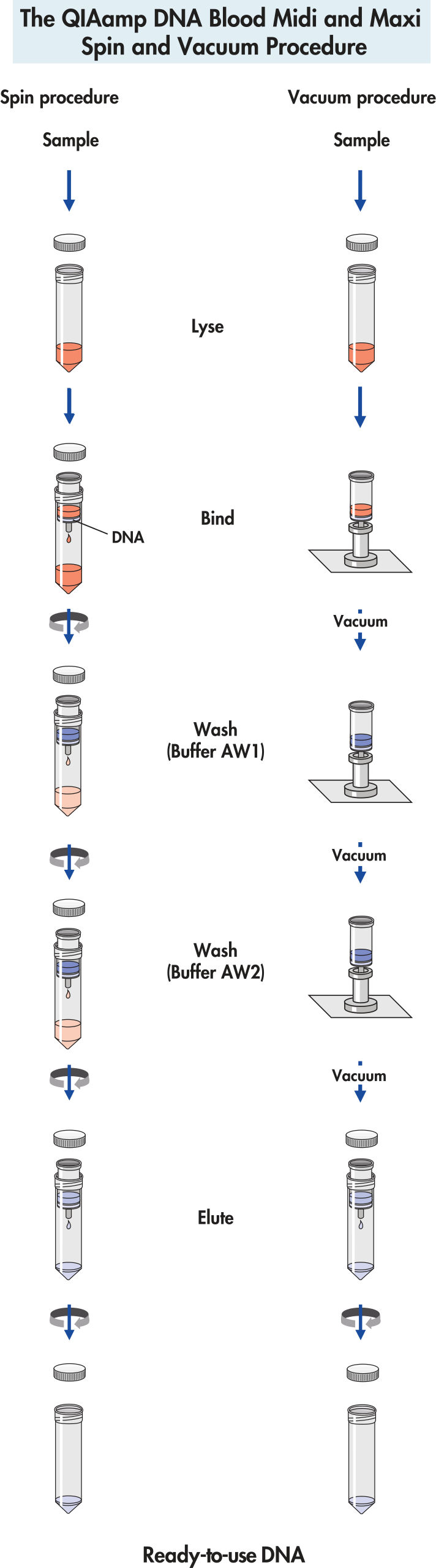
QIAamp DNA Blood Kitは、血液からのDNA精製および体液からのDNA精製を、高速スピンカラム、真空プロトコール、遠心分離、または自動化されたプロセスを用いて簡略化します(「 QIAampスピンカラムのプロセス」を参照)。クエン酸塩、EDTA、ヘパリンなどの一般的な抗凝固剤を含む新鮮または冷凍された全血の処理も可能です。QIAamp MidiまたはMaxiスピンカラムを真空マニホールドで処理する場合、真空マニホールドで使用するために追加でBuffer AW1 [カタログ番号19081]およびBuffer AW2 [カタログ番号19072]が必要です。

QIAamp DNA Blood Mini Kitを使った真空プロトコール

QIAamp DNA Blood Mini Kitを使用すると、血液やその他の体液の処理が遠心分離ではなく真空プロトコールで行えるため、DNA精製の速度と利便性が大幅に向上します。QIAamp Miniスピンカラムは、QIAvac 24 PlusマニホールドにVacValveおよびVacConnectorを使用して収容されます。サンプルの流量が著しく異なる場合は、一貫した真空を確保するためにVacValvesを使用する必要があります。使い捨てのVacConnectorsは、クロスコンタミネーションを防ぐために使用します。また、VacConnectorsを使用することで、QIAvac Luerアダプターを搭載したQIAvac 6SでもQIAampスピン処理が可能になります。

QIAcube Connectを使った自動処理

アワードを受賞したQIAcube Connectは、QIAGENスピンカラムを用いた処理に最新技術を採用しており、自動化された低スループットのサンプル調製がラボのワークフローにシームレスに統合されます。精製プロセスのすべてのステップは完全に自動化され、1回のランで最大12サンプルを処理することができます。QIAcube Connectと専用のQIAamp DNA Mini QIAcube Kitを組み合わせることで、高速で簡単かつ利便性の高いDNA精製が実現します。

高スループットで96ウェルフォーマットを処理

QIAamp 96のスピンプロセスでは、96ウェルブロックの上にスタックしたQIAamp 96プレートを収納するために、QIAGEN 96-Well-Plate Centrifugation Systemの深型ローターバケットが必要です。使用できる血液は、EDTA、クエン酸塩、ヘパリンなどの一般的な抗凝固剤で処理された新鮮または冷凍の全血です。乾燥した全血は、追加の装置とQIAGENテクニカルサービスまたはお近くの販売店から提供される特別なプロトコールを用いて処理する必要があります。

アプリケーション

QIAamp DNA Blood Kitは、実績のあるQIAamp技術を活用し、さまざまな材料からDNAの精製を実現します。サンプルの種類には次のようなものがあります。

  • 新鮮全血、冷凍全血、軟膜
  • 血漿と血清
  • 骨髄
  • リンパ球
  • 血小板
  • 体液
  • 培養細胞
  • スワブと口腔細胞


QIAamp DNA Blood Kitの比較
特徴 QIAamp DNA Blood Mini Kit QIAamp DNA Blood Midi Kit QIAamp DNA Blood Maxi Kit QIAamp 96 DNA Blood Kit
アプリケーション PCR、ロングレンジPCR、サザンブロッティング PCR、サザンブロッティング PCR、ブロッティング サザンブロッティング、ゲノムマッピング
溶出量 50~200 µl 100~400 µl 500~2000 µl 50~200 µl
フォーマット スピンカラム スピンカラム スピンカラム 96ウェルプレート
主なサンプルタイプ 全血、体液 全血、体液 全血、体液 全血、体液
処理 手動(遠心分離または真空分離) 手動(遠心分離または真空分離) 手動(遠心分離または真空分離) 手動(遠心分離または真空分離)
トータルRNA、miRNA、poly A+ mRNA、DNA、タンパク質の精製 ゲノムDNA、ミトコンドリアDNA、ウイルスDNA ゲノムDNA、ミトコンドリアDNA、ウイルスDNA ゲノムDNA、ミトコンドリアDNA、ウイルスDNA ゲノムDNA、ミトコンドリアDNA、ウイルスDNA
サンプル量 1~200 µl 0.3~2 ml 3~10 ml 200 µl未満
技術 シリカテクノロジー シリカテクノロジー シリカテクノロジー シリカテクノロジー
ランあたり、または調製あたりの時間 20~40分 55分 55分 2~3時間(192 サンプル)
収量 4~12 µg 20~60 µg 300~600 µg 6 µg

裏付けデータと数値

リソース

キットハンドブック (9)
For large-scale genomic and viral DNA purification from whole blood, plasma, serum, body fluids, lymphocytes
全血、血漿、血清、体液、リンパ球からのゲノムおよびウイルスDNA大量精製用
ユーザーが開発したプロトコール (2)
As starting material, 5 g soil was mixed with different amounts of Bacillus subtilis cells. Sensitivity was 5 x 10³ cells/5g soil.
パンフレットとガイド (7)
Second edition — innovative tools
Introducing QIAseq
PDF (450KB)
Accelerate your NGS performance through Sample to Insight solutions
安全データシート (1)
Download Safety Data Sheets for QIAGEN product components.
クイックスタートプロトコール (1)
技術情報と重要メモ (2)
分析証明書 (1)
Request a Certificate of Analysis and see the quality control data for your product.
Safety Data Sheets (1)
Certificates of Analysis (1)

出版物

A multiplex ligase detection reaction-fluorescent microsphere assay for simultaneous detection of single nucleotide polymorphisms associated with Plasmodium falciparum drug resistance.
Carnevale EP; Kouri D; DaRe JT; McNamara DT; Mueller I; Zimmerman PA;
J Clin Microbiol; 2006; 45 (3):752-61 2006 Nov 22 PMID:17121999
The association of sequence variants in DNA repair and cell cycle genes with cancers of the upper aerodigestive tract.
Hall J; Hashibe M; Boffetta P; Gaborieau V; Moullan N; Chabrier A; Zaridze D; Shangina O; Szeszenia-Dabrowska N; Mates D; Janout V; Fabiánová E; Holcatova I; Hung RJ; McKay J; Canzian F; Brennan P;
Carcinogenesis; 2006; 28 (3):665-71 2006 Oct 13 PMID:17040931
Individual-based assessment of population structure and admixture in Austrian, Croatian and German draught horses.
Druml T; Curik I; Baumung R; Aberle K; Distl O; Sölkner J;
Heredity (Edinb); 2006; 98 (2):114-22 2006 Oct 11 PMID:17035951
Quantification of genital human immunodeficiency virus type 1 (HIV-1) DNA in specimens from women with low plasma HIV-1 RNA levels typical of HIV-1 nontransmitters.
Benki S; McClelland RS; Emery S; Baeten JM; Richardson BA; Lavreys L; Mandaliya K; Overbaugh J;
J Clin Microbiol; 2006; 44 (12):4357-62 2006 Oct 18 PMID:17050820

よくある質問

When should carrier be used with the QIAamp DNA Mini or the DNeasy Blood & Tissue Kit?

For DNA isolation using the QIAamp DNA Mini, or the DNeasy Blood & Tissue Kit, we recommend using carrier DNA when expected yields are below 10 ng. If possible, carrier DNAs such as poly-dA, poly-dT or poly-dA:dT should be used. Other carrier DNAs such as herring sperm DNA may interfere with subsequent PCR by binding primers nonspecifically.

Please note that poly-dA may interfere with oligo-dT primers, and, in this case, a different carrier DNA should be used. The concentration of carrier DNA should be at least 10 µg/ml. Optimal amounts need to be determined empirically for each application. The size distribution of carrier DNAs is typically in the range of 100 bp to 10 kb.

FAQ-100
Do you have a protocol for vacuum processing of blood samples with the QIAamp DNA Blood Midi or Maxi Kits?
Yes, please follow the Supplementary Protocol 'Purification of DNA from whole blood using the QIAamp DNA Blood Midi or Maxi Kit and vacuum processing on the QIAvac 24 Plus' (QA33).  Please contact Technical Service for this protocol.
FAQ-1011
How do I safely inactivate biohazardous flow-through material?

Always dispose of potentially biohazardous solutions according to your institution’s waste-disposal guidelines. Although the lysis and binding buffers in QIAamp, DNeasy, and RNeasy kits contain chaotropic agents that can inactivate some biohazardous material, local regulations dictate the proper way to dispose of biohazards. DO NOT add bleach or acidic solutions directly to the sample-preparation waste. Guanidine hydrochloride in the sample-preparation waste can form highly reactive compounds when combined with bleach.
Please access our Material Safety Data Sheets (MSDS) online for detailed information on the reagents for each respective kit.

FAQ-12
Are QIAamp DNA isolation kits suitable for apoptosis studies?

Yes. We have used the QIAamp DNA Blood Mini Kit to purify DNA fragments as small as 168 base pairs. Our product profile for this kit shows a picture of the apoptotic banding pattern obtained after storage of blood samples at 4°C for extended periods of time prior to isolating DNA.


FAQ-149
What dedicated QIAcube Kits are available?
What is the cellular composition of human blood?

One milliliter of healthy human blood consists of cell types in approximately the following numbers:

  • Leucocytes (function: immune response) 4–7 x 10⁶ cells
  • Thrombocytes (function: wound closing) 3–4 x 10⁸ cells 
  • Erythrocytes (function O2 and CO2 transport) 5 x 10⁹ cells
FAQ-2951
How can I precipitate genomic DNA using isopropanol?

Alcohol precipitation is commonly used for concentrating, desalting, and recovering nucleic acids. Since less alcohol is required for isopropanol precipitation, this is the preferred method for precipitation of DNA from large volumes. In addition, isopropanol precipitation can be performed at room temperature, which minimizes co-precipitation of salt that interferes with downstream applications.


Procedure

  1. Adjust the salt concentration, for example, with sodium acetate (0.3 M, pH 5.2, final concentration) or ammonium acetate (2.0–2.5 M, final concentration).
  2. Add 0.6–0.7 volumes of room-temperature isopropanol to the DNA solution and mix well.
  3. Centrifuge the sample immediately at 10,000–15,000 x g for 15–30 min at 4°C
  4. Carefully decant the supernatant without disturbing the pellet.
  5. Wash the DNA pellet by adding 1–10 ml (depending on the size of the preparation) of room-temperature 70% ethanol. This removes co-precipitated salt and replaces the isopropanol with the more volatile ethanol, making the DNA easier to redissolve.
  6. Centrifuge at 10,000–15,000 x g for 5–15 min at 4°C.
  7. Carefully decant the supernatant without disturbing the pellet.
  8. Air-dry the pellet for 5–20 min (depending on the size of the pellet).
  9. Redissolve the DNA in a suitable buffer.

Tip: Use a buffer with a pH of 7.5–8.0, as DNA does not dissolve easily in acidic buffers. Often distilled water can have an acidic pH. The addition of EDTA protects the DNA from DNase digestion.

Tip: High-molecular-weight DNA, such as genomic DNA, should be redissolved very gently to avoid shearing. If the DNA pellet does not dissolve easily, heat at 55°C for 1–2 h with gentle shaking.

FAQ-2953
How do I perform a DNA precipitation to concentrate my sample?
  • Add 1/10 volume of 3 M Na-Acetate pH 5.2, and 2 to 2.5 volumes of ice-cold 100% ethanol to the DNA sample
  • Mix, and store at –20°C for at least 1 h to precipitate the DNA
  • Recover the precipitated DNA by centrifugation at full speed in a microcentrifuge for 15–20 min
  • Pour off the ethanol and wash the pellet twice with room-temperature 70% ethanol
  • Allow the DNA pellet to air-dry
  • resuspend the DNA in a suitable volume of sterile TE buffer or distilled water
FAQ-305
How can QIAGEN Protease and Proteinase K be inactivated?

QIAGEN Protease is inactivated by incubation at 70°C for 15 minutes.

To our knowledge, Proteinase K cannot be completely heat-inactivated. Even when incubating at 95°C for 10 minutes, some enzymatic activity remains. This will not negatively affect the QIAamp Procedure, since the enzyme will be efficiently removed by the wash steps in the protocols.

FAQ-315
Do any of the kit components or the product packaging of the QIAamp 96 DNA Blood Kit contain latex?
There is no latex in either the product or the packaging of the QIAamp 96 DNA Blood Kit.
FAQ-318
What is the minimum number of cells that can be efficiently processed with the QIAamp DNA Mini and QIAamp Blood Mini kits and what is the expected yield?
In QIAGEN labs, we have isolated DNA from a minimum of 1000 cells or 1 ul of whole blood sample. The expected yield from 1 ul of whole blood with 4000-7000 leukocytes is 30 ng of genomic DNA. The expected yield of genomic DNA from a single eukaryotic cell is 6 pg. However, please bear in mind that for these small quantities, we would recommend the QIAamp DNA Micro kit instead.
FAQ-3516
Is the quality and size of DNA extracted with the QIAamp DNA Mini and QIAamp Blood Mini kit good enough to generate DNA-libraries for next generation sequencing (NGS)?
The size of DNA obtained with QIAamp DNA Mini and QIAamp Blood Mini kit ranges between 100 bp and 50 kb, with 30 kb fragments predominating. The 30 kb fragments are a good starting point for most of the library preparations. Furthermore, the purified DNA is free of protein, nucleases, and other contaminants and inhibitors, and therefore is suitable for NGS.
FAQ-3518
Do you have stability data for genomic DNA isolated with the QIAamp DNA Blood Mini Kit?

Yes. We have shown that DNA purified with the QIAamp DNA Blood Mini Kit is stable for at least 10 years at either 2–8ºC or –20ºC. However, our data indicates that DNA stability is dependent upon elution buffer used for storage. For detailed information on this stability study see the QIAGEN News Article for the first part of the study and then the continuing study data at the 10 year mark.   

FAQ-518
Is it possible to isolate DNA from bone marrow with the QIAamp DNA Blood Kits?

Yes. Please follow the Blood and Body Fluid Spin Protocol in the QIAamp DNA Mini and QIAamp DNA Blood Mini Kit Handbook. No more than 5 x 10⁶ cells should be used. When using the Midi or Maxi format, please follow the protocol for Isolation of DNA using the QIAamp DNA Blood Midi or Maxi Kit in the QIAamp Blood Midi and QIAamp Blood Maxi Handbook. The maximum number of cells to use is 2 x 10and 1 x 10⁸, respectively.

FAQ-563
Why does the QIAamp DNA Mini Tissue Protocol require both ATL and AL buffer, while the Blood Protocol only uses AL?

Tissue is more difficult to lyse than cells in a blood sample. Therefore an additional incubation step in buffer ATL containing Proteinase K is included in the Tissue Protocol to achieve complete sample lysis. Blood cells will directly lyse by incubation in Buffer AL containing QIAGEN Protease. Buffer AL is required in both protocols to ensure appropriate conditions for DNA binding to the silica membrane. For further details on the protocols, please refer to the QIAamp DNA Mini and QIAamp DNA Blood Mini Kit Handbook.

FAQ-633
What is the average amount of DNA and RNA present in 1 ml normal serum?

According to an Interview with Professor Dennis Lo published in QIAGEN News Molecular Diagnostics, Issue No. 5, 2002, healthy individuals have about 500-1000 genome equivalents (DNA) per ml serum/plasma.

For free-circulating DNA in plasma, the concentration can range from 1–100 ng/ml in healthy individuals.

FAQ-635
What can be used as an alternative to the A260 measurement for quantification of small amounts of RNA and DNA?

Small amounts of RNA and DNA may be difficult to measure spectrophotometrically. Fluorometric measurements, or quantitative RT-PCR and PCR are more sensitive and accurate methods to quantify low amounts of RNA or DNA.

Fluorometric measurements are carried out using nucleic acid binding dyes, such as RiboGreen® RNA Quantitation Reagent for RNA, and PicoGreen® DNA Quantitation Reagent for DNA (Molecular Probes, Inc.).

FAQ-728
What is the composition of buffer AE?

The composition of Buffer AE is:

  • 10 mM Tris-Cl
  • 0.5 mM EDTA; pH 9.0.
FAQ-730
Do I need to have EDTA in the buffer in which I am going to store my isolated genomic DNA?

EDTA chelates divalent cations which are required for nuclease activity. While the genomic DNA (gDNA) extracted using QIAGEN products, should not have any nuclease activity, it is possible to introduce nucleases during repeated long-term access of the DNA. EDTA helps to prevent any nuclease activity introduced after the genomic DNA extraction procedures.

However, if the gDNA is stored frozen at -20oC or -80oC, nuclease activity is much reduced. It may be possible to leave EDTA out of the storage buffer without negative consequences when samples are kept under these conditions, and when repeated freeze-thaw cycles are avoided.

We do recommend however that gDNA be stored in a neutral to a slightly basic buffered solution (e.g. 10 mM Tris-Cl pH 8.5 to 9.0) to prevent DNA degradation by acid hydrolysis. Note that deionized water mostly has an acidic pH.

FAQ-754
What is the difference between QIAGEN Protease and QIAGEN Proteinase K provided in various QIAamp Kits?

QIAGEN Proteinase K is a subtilisin-type protease, which cleaves at the carboxyl side of hydrophobic, aliphatic and aromatic amino acids. It is particularly suitable for short digestion times. It possesses a high specific activity over a wide range of temperatures and pH values with substantially increased activity at higher temperature. Soluble calcium is not essential for enzymatic activity. This means that EDTA, which is used to inhibit Mg2+-dependent enzymes such as nucleases, will not inhibit Proteinase K activity.

QIAGEN Protease is a broad-specificity Serine protease with high activity, cleaving preferentially at neutral and acidic residues. It is an economical alternative to Proteinase K for isolation of native DNA and RNA from a variety of samples.

FAQ-761
Do you have a protocol for Streptokinase treatment of clotted blood?
Yes, please follow the User-Developed Protocol 'Streptokinase treatment of clotted blood' (QA12). The protocol is for use with the QIAamp DNA Blood Mini Kit .
FAQ-912
Do you have a protocol for detection of HBV DNA by PCR?

Yes, please follow the User-Developed Protocol 'Detection of HBV DNA by PCR' (QA15). The procedure is for use with the QIAamp DNA Blood Mini Kit.  Please contact Technical Service for this protocol.

FAQ-915
Do you have a protocol for isolation of genomic DNA from saliva and mouthwash?

Yes, we have the following protocols:

  • Isolation of genomic DNA from saliva and mouthwash using the QIAamp DNA Mini Kit; vacuum procedure (QA19v)
  • Isolation of genomic DNA from saliva and mouthwash using the QIAamp DNA Mini Kit; spin procedure (QA19s)
  • Isolation of genomic DNA from saliva using the DNeasy Blood & Tissue Kit; spin procedure (DY07)
FAQ-917
Do you have a protocol for isolation of genomic DNA from dried blood spots using the QIAamp 96 DNA Blood Kit?

Yes, we please follow the Supplementary Protocol 'Isolation of genomic DNA from dried blood spots using the QIAamp 96 DNA Blood Kit' (QA22).  Please contact Technical Service for this protocol.

FAQ-919
Do you have a protocol for isolation of bacterial DNA from soil?