
✓ Procesamiento automático sin interrupción de pedidos en línea
✓ Servicio técnico y para productos experto y profesional
✓ Realización y repetición de pedidos rápidas y fiables
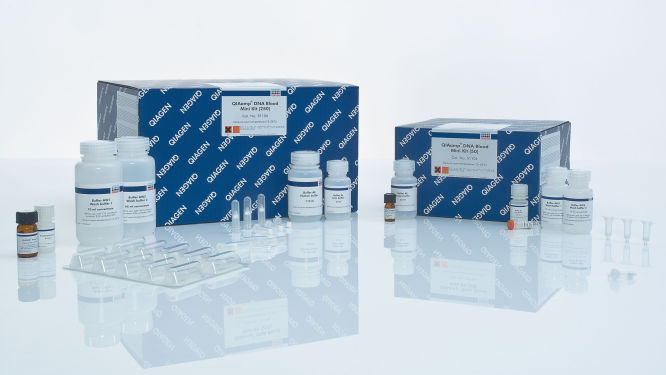
QIAamp DNA Blood Mini Kit (50)
N.º de cat. / ID. 51104
Para 50 minipreparaciones de ADN: 50 QIAamp Mini Spin Columns, QIAGEN Protease, Reagents, Buffers y Collection Tubes (2 ml)
KitAccesorios
QIAamp DNA Blood Kit
QIAamp DNA Blood Mini Accessory Set
Tipo de columnaTipo de placa
Mini
Mini QIAcube
Midi
Maxi
96 well
Preparaciones
50
250
QIAamp DNA Blood Kits están concebidos para su uso en aplicaciones de biología molecular. Estos productos no están concebidos para el diagnóstico, la prevención ni el tratamiento de enfermedades.
✓ Procesamiento automático sin interrupción de pedidos en línea
✓ Servicio técnico y para productos experto y profesional
✓ Realización y repetición de pedidos rápidas y fiables
Características
- Purificación rápida de ADN de gran calidad listo para usar
- Sin extracción orgánica ni precipitación con alcohol
- Rendimiento alto y constante
- Eliminación completa de contaminantes e inhibidores para resultados fiables
- Formatos de kit para opciones de bajo y alto rendimiento, para la automatización de cualquier kit
Detalles del producto
Los QIAamp DNA Blood Kits proporcionan un sistema de purificación de ADN basado en membranas de gel de sílice a partir de sangre total, plasma, suero y otros líquidos corporales. Estos kits están diseñados para muestras de entre 200 μl y 10 ml de sangre total humana fresca o congelada. Las QIAamp Spin Columns pueden procesarse de forma sencilla en una centrifugadora o en un colector de vacío. El cómodo formato de 96 pocillos con centrifugación utiliza la purificación del ADN para laboratorios que necesitan una purificación de ADN de alto rendimiento a partir de sangre, capa leucoplaquetaria, plasma, suero, médula ósea, linfocitos y líquidos corporales. También está disponible un kit específico para la purificación automatizada de entre 1 y 12 muestras en QIAcube Connect.
Rendimiento
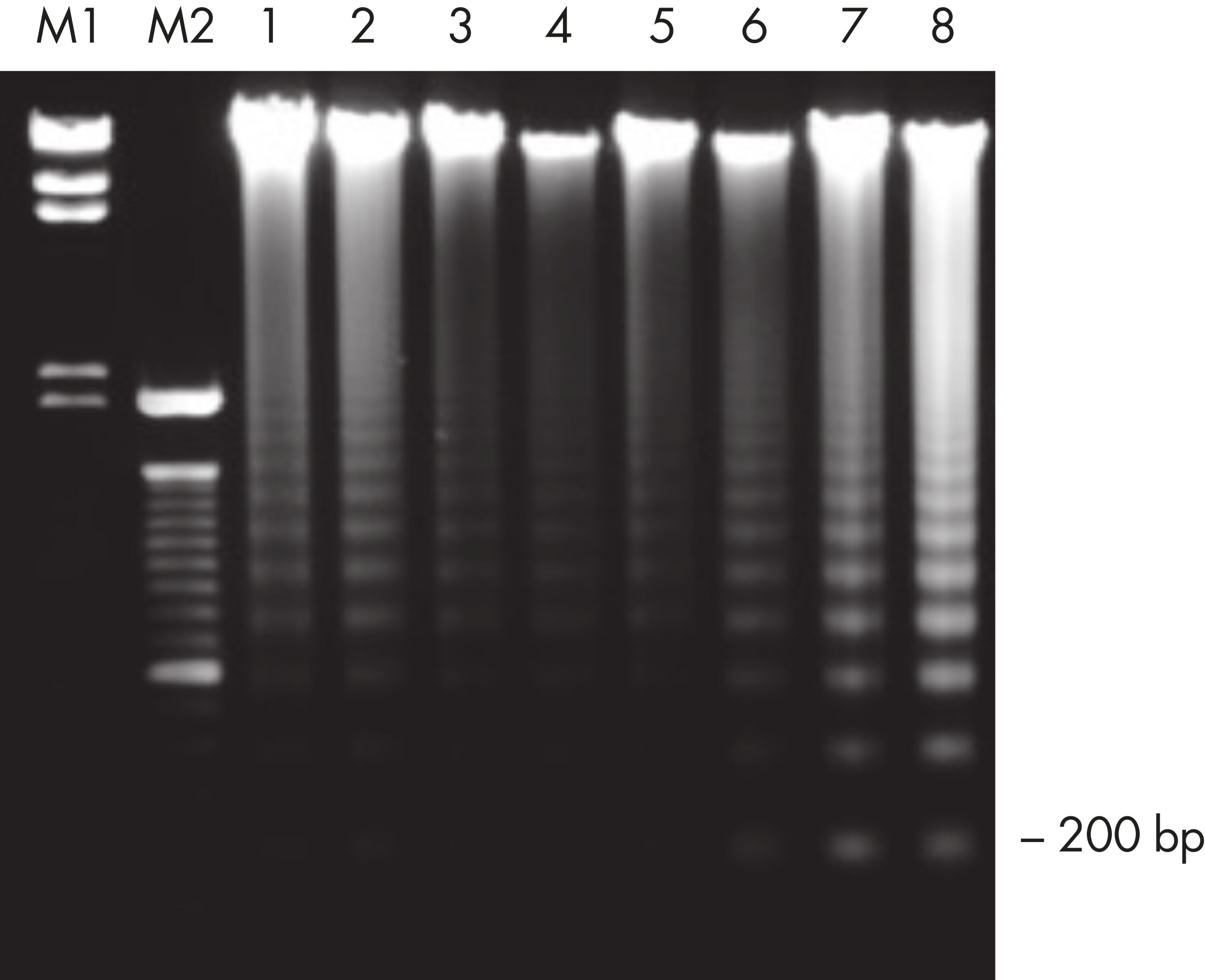
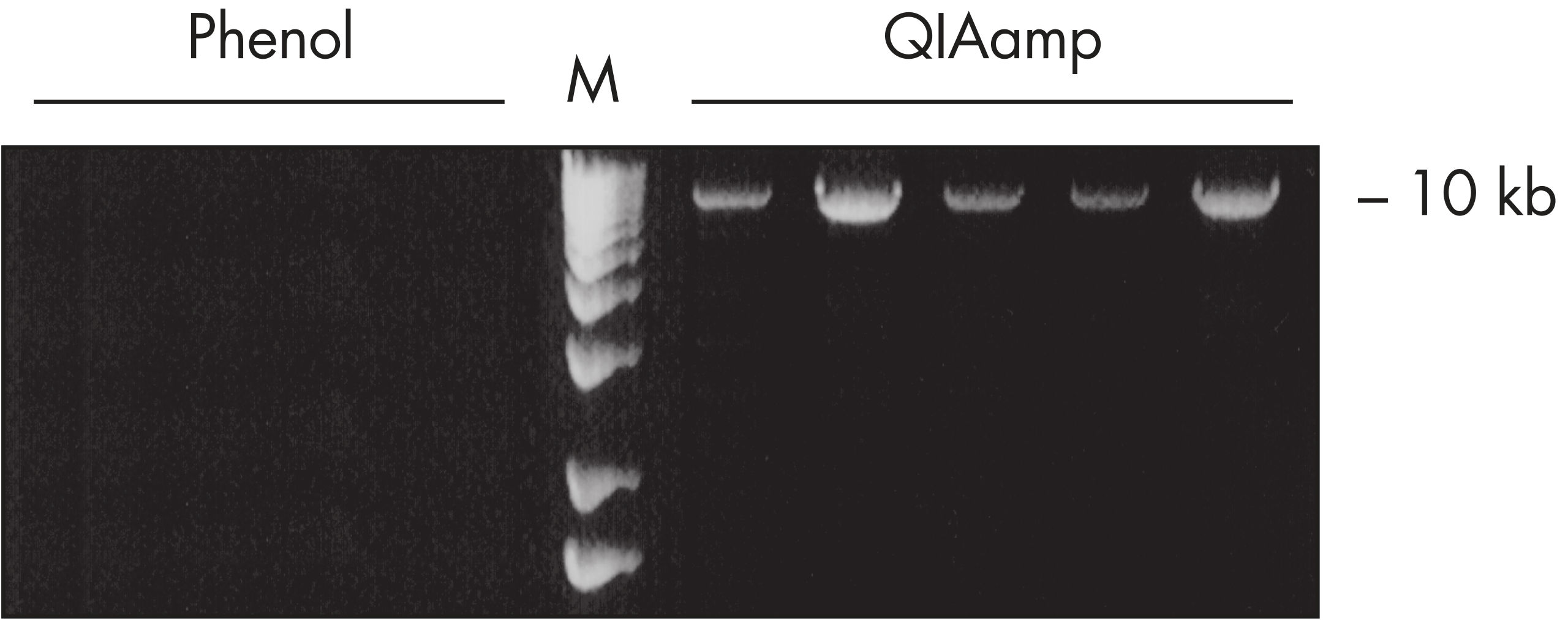
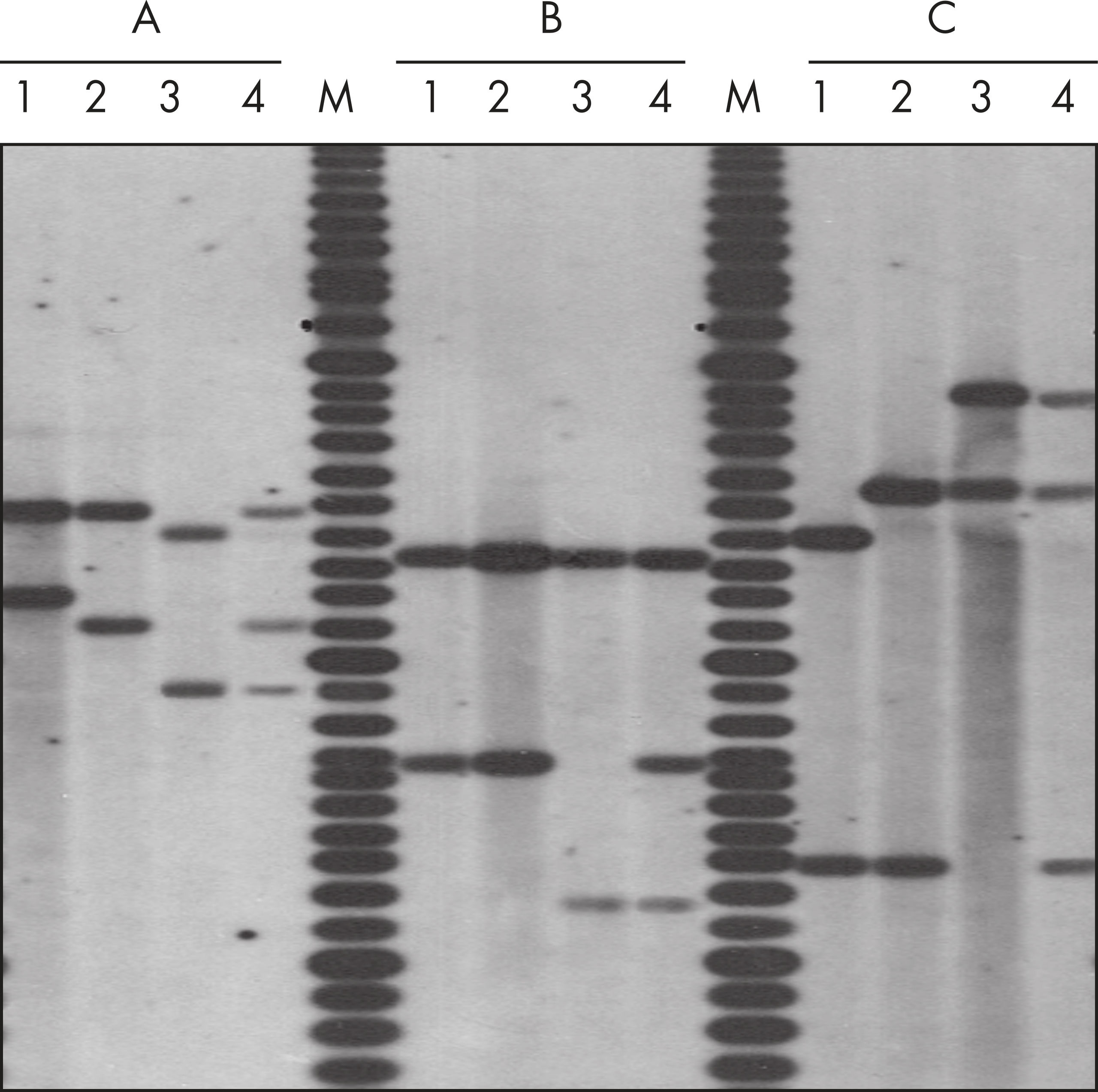
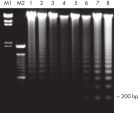
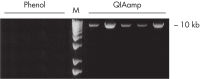
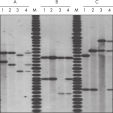
Los QIAamp DNA Blood Kits obtienen ADN de tamaños entre 200 pb y 50 kb, en función del tiempo y el almacenamiento de las muestras (consulte la figura “Bandeo apoptótico en sangre almacenada”). El ADN purificado es apto para la amplificación de PCR de largo alcance (consulte la figura “ PCR de largo alcance”) y el análisis de polimorfismos de longitud de fragmentos de restricción (restriction fragment length polymorphism, RFLP) que se utiliza, por ejemplo, en las pruebas de paternidad (consulte la figura “ Pruebas de paternidad mediante análisis RFLP”).
El QIAamp DNA Blood Midi Kit proporciona un rendimiento de hasta el 94,5 % de recuperación de ADN; el QIAamp DNA Blood Maxi Kit proporciona un rendimiento de hasta el 95,8 % de recuperación de ADN, en función de la densidad celular inicial (consulte la tabla “Rendimientos de ADN a partir de sangre total humana en función de la densidad celular”).
| Leucocitos por ml | Rendimiento de ADN (µg) | Recuperación de ADN (%) | ||
| QIAamp Midi | QIAamp Maxi | QIAamp Midi | QIAamp Maxi | |
| 2,5 × 10⁵ | 3,0 | 15,8 | 92,3 | 95,8 |
| 1,0 × 10⁶ | 11,0 | 60,4 | 91,7 | 91,5 |
| 5,0 × 10⁶ | 62,4 | 312,0 | 94,5 | 94,5 |
| 1,0 × 10⁷ | 116,3 | 624,6 | 88,1 | 94,6 |
El ADN genómico se purificó a partir de 2 ml (QIAamp Midi) o 10 ml (QIAamp Maxi) de sangre total humana y se eluyó en 300 µl (Midi) o 1 ml (Maxi) de tampón de elución. La primera elución se cargó de nuevo en la columna y se volvió a centrifugar (es decir, se reeluyó). El porcentaje de recuperación de ADN se calculó asumiendo que un leucocito contiene 6,6 pg de ADN.
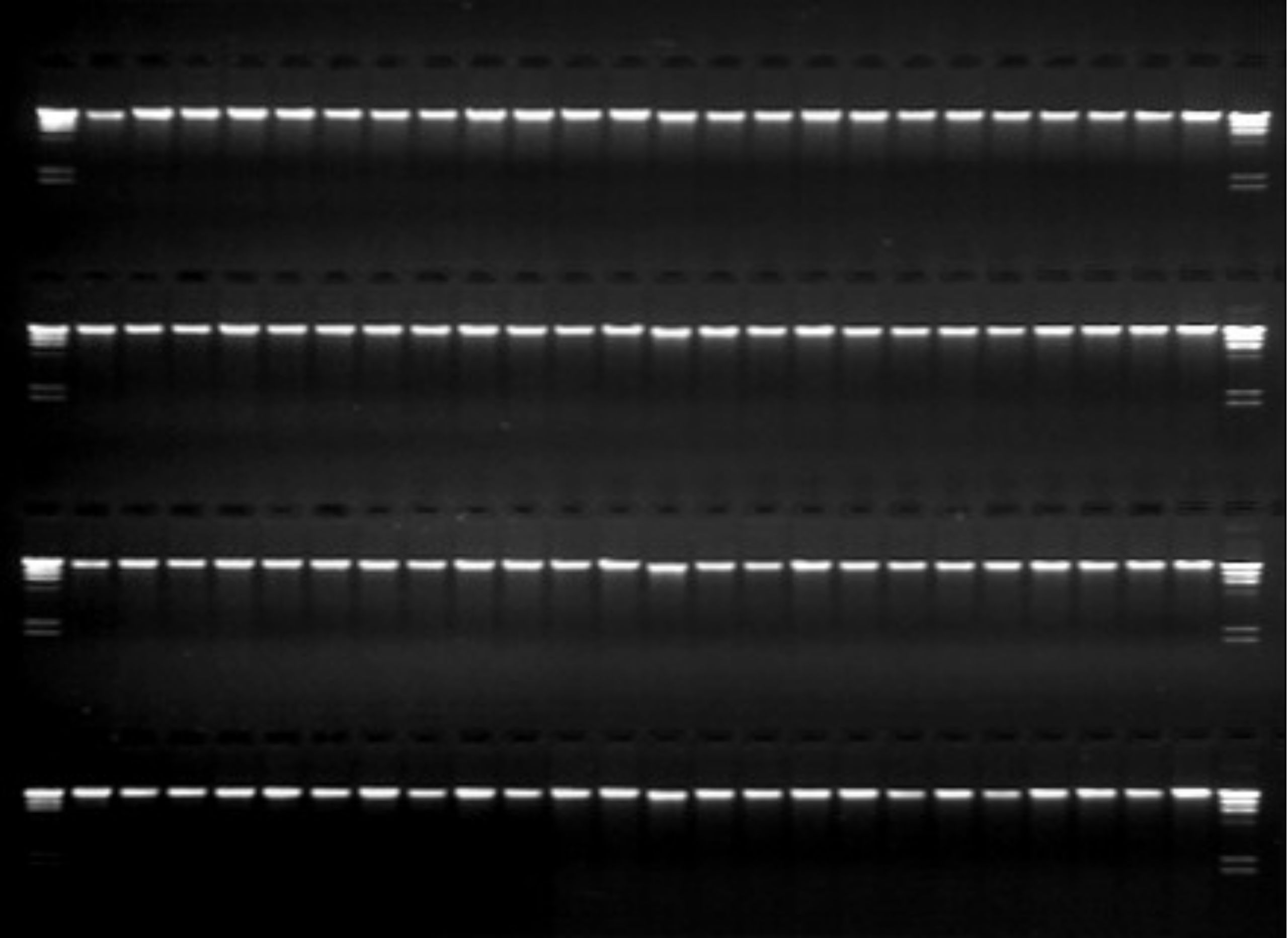
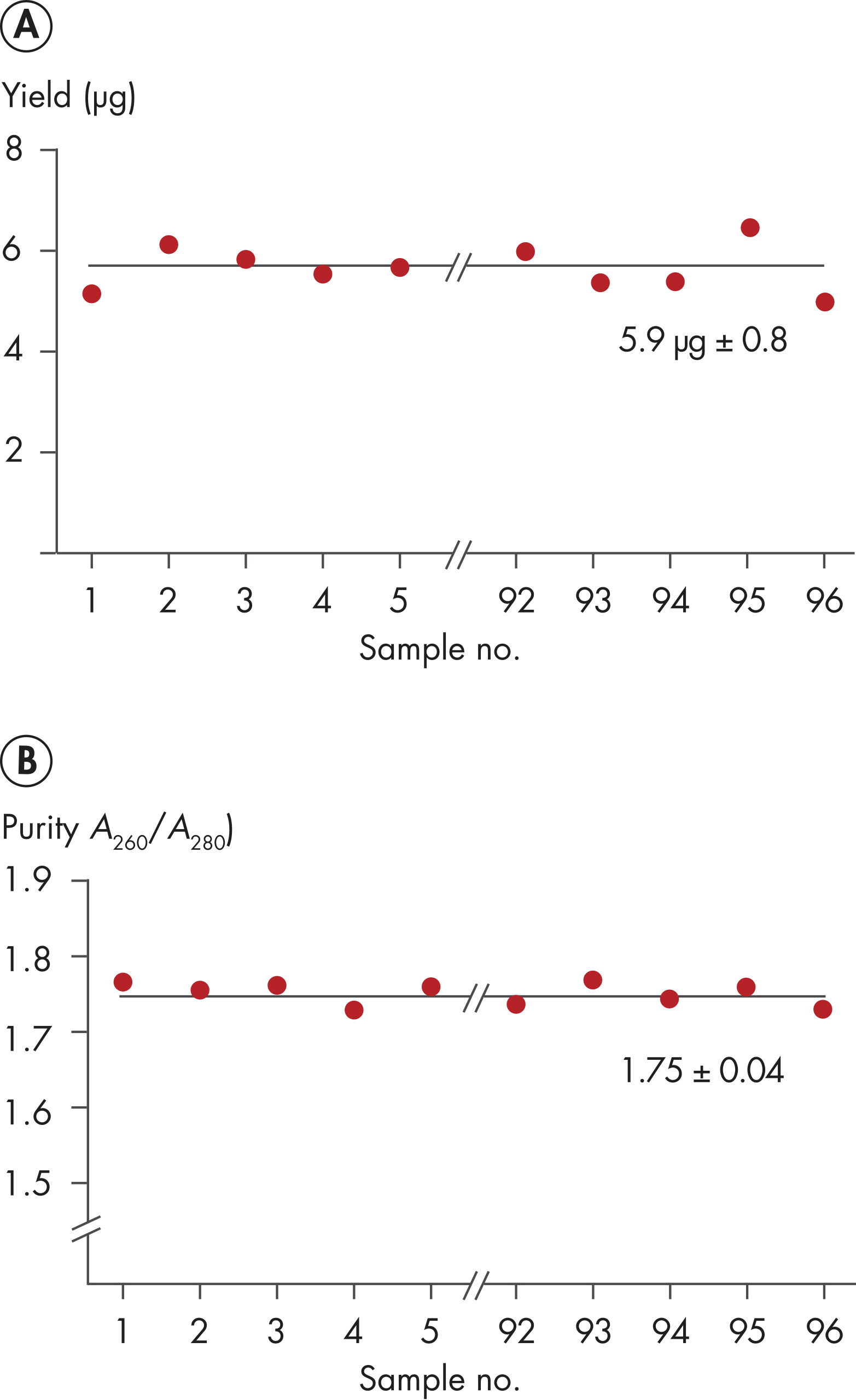
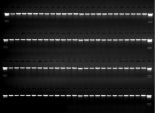
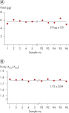
El QIAamp 96 DNA Blood Kit procesa muestras de hasta 200 µl con un tiempo de preparación de entre 2 y 3 horas para 192 muestras, y obtiene un rendimiento de ADN puro en menos de 1 minuto por preparación. Se puede obtener un rendimiento superior si se escalona el procedimiento. Las placas QIAamp 96 proporcionan pureza y uniformidad entre pocillos en la recuperación de ADN (consulte las figuras “ Reproducibilidad de las muestras” y “ Reproducibilidad de rendimiento y pureza”). El rendimiento típico es de 6 µg por 200 µl de sangre total humana, con un volumen de elución de 50-200 µl.
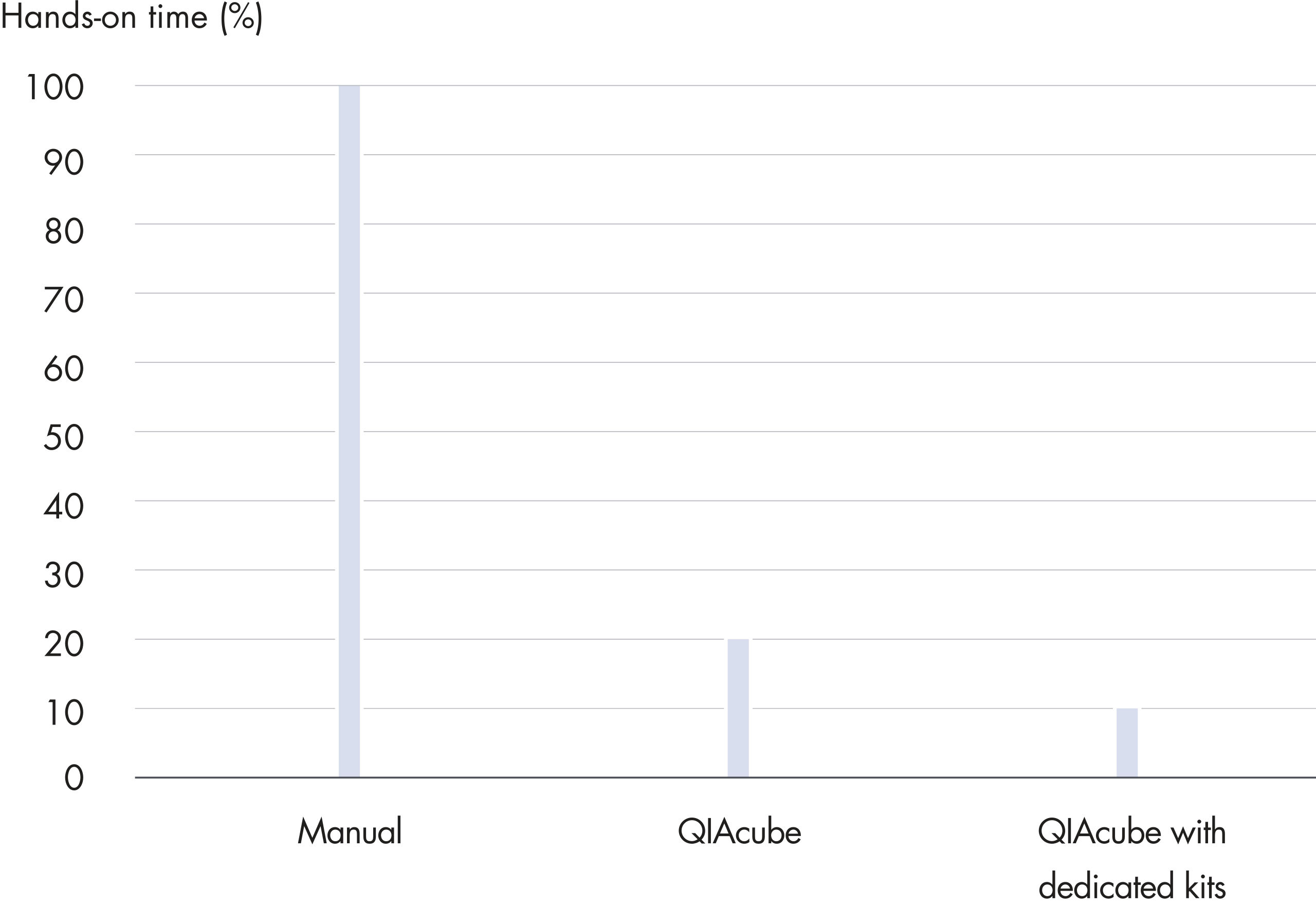
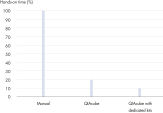
El QIAamp DNA Blood Mini QIAcube Kit permite el aislamiento de ADN automatizado a partir de muestras de sangre y el aislamiento de ADN a partir de líquidos corporales en QIAcube Connect. El kit incluye adaptadores de rotor precargados con tubos de elución y columnas de centrifugación de QIAamp, lo que proporciona un procedimiento más práctico y que permite ahorrar tiempo (consulte la figura “ Ahorro de tiempo significativo”). Además, el kit es más fácil de utilizar, lo que minimiza los errores por parte del usuario. También se reduce la cantidad de residuos, porque el contenido del kit está diseñado para la purificación en QIAcube Connect y los tubos adicionales que se necesitan para el procedimiento manual no están incluidos.
Si se utiliza el QIAamp DNA Blood Mini Kit automatizable en QIAcube Connect, QIAamp DNA Blood Mini Accessory Set A y QIAamp DNA Blood Mini Accessory Set B proporcionan los tampones y reactivos adicionales para la preparación automatizada de las muestras.
Principio
No se requiere extracción con fenol/cloroformo. El ADN se une de forma específica a la membrana de gel de sílice QIAamp mientras los contaminantes la atraviesan. Los inhibidores de la PCR, como los cationes divalentes y las proteínas, se eliminan por completo en dos eficientes pasos de lavado, dejando el ácido nucleico puro para su elución en agua o en un tampón incluido en el kit. La tecnología de QIAamp DNA Blood obtiene ADN genómico. mitocondrial o vírico a partir de sangre y líquidos corporales relacionados listos para su uso en procedimientos de PCR y blotting. La tecnología de preparación de las muestras de QIAamp cuenta con licencia completa.
Procedimiento
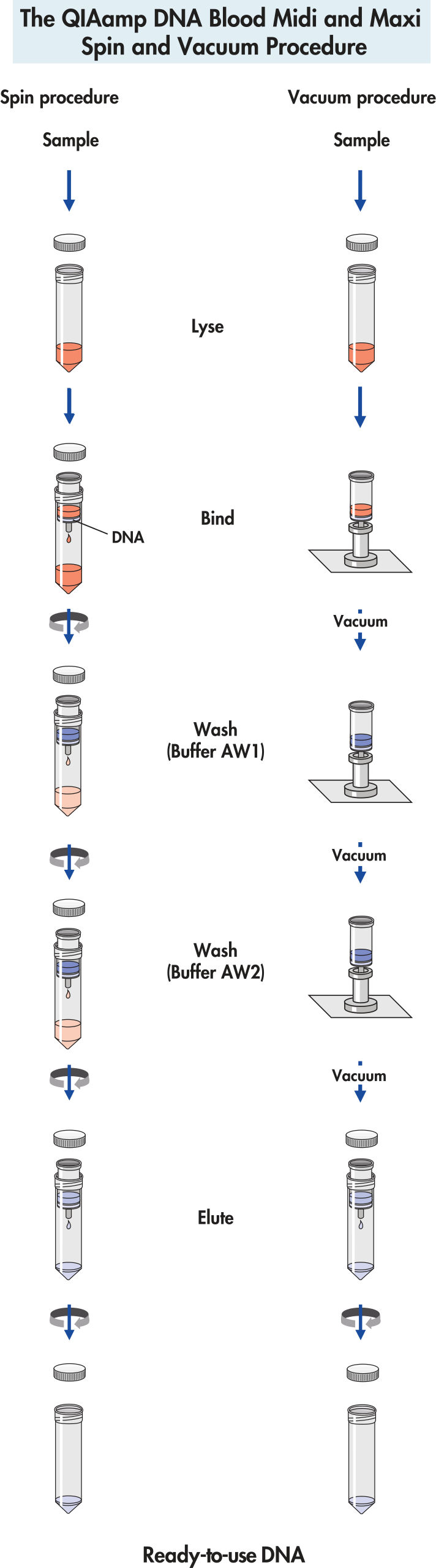
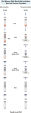
Los QIAamp DNA Blood Kits simplifican al purificación de ADN de la sangre y de líquidos corporales con columnas de centrifugación rápidas, sistemas de vacío, centrifugadoras u otros procesos automatizados (consulte la figura “ Procedimiento con la QIAamp Spin Column”). Se puede procesar sangre total fresca y congelada con anticoagulantes comunes, como citrato, ácido edético (EDTA) y heparina. Si se están procesando las QIAamp Midi Spin Columns o Maxi Spin Columns en colectores de vacío, se requiere un Buffer AW1 (número de catálogo 19081) y un Buffer AW2 (número de catálogo 19072) adicionales para su uso con los colectores de vacío.
Procesamiento de vacío con el QIAamp DNA Blood Mini Kit
Con el QIAamp DNA Blood Mini Kit, se puede procesar la sangre mediante métodos de vacío en lugar de centrifugación, lo que permite una mayor velocidad y practicidad en la purificación de ADN. Las QIAamp Mini Spin Columns se colocan en el colector QIAvac 24 con la ayuda de VacValves y VacConnectors. Las VacValves deben utilizarse si el flujo de las muestras difiere significativamente para conseguir un vacío uniforme. Se utilizan VacConnectors desechables para evitar cualquier posible contaminación cruzada. El uso de VacConnectors también permite que estos procedimientos de centrifugación de QIAamp puedan llevarse a cabo en QIAvac 6S con QIAvac Luer Adapters.
Procesamiento automatizado en QIAcube Connect
El galardonado instrumento QIAcube Connect utiliza la tecnología avanzada para procesar las columnas de centrifugación de QIAGEN, lo que permite una integración perfecta de la preparación automatizada de muestras de bajo volumen en el flujo de trabajo del laboratorio. Todos los pasos del procedimiento de purificación están totalmente automatizados (se pueden procesar hasta 12 muestras por serie). Cuando se utiliza QIAcube Connect en combinación con el QIAamp DNA Mini QIAcube Kit, proporciona una combinación óptima para una purificación de ADN rápida, práctica y sencilla.
Procesamiento de alto rendimiento en formato de 96 pocillos
Para aplicar el procedimiento de centrifugación de QIAamp 96, se deben colocar las placas del QIAamp 96 en los huecos profundos del rotor del QIAGEN 96-Well-Plate Centrifugation System, en bloques de 96 pocillos. Se puede utilizar sangre total fresca o congelada tratada con anticoagulantes comunes, como citrato, ácido edético (EDTA) y heparina. Se puede procesar sangre total seca con un equipo adicional y aplicando un protocolo especial que puede solicitarse al servicio técnico de QIAGEN o a su distribuidor local.
Aplicaciones
Los QIAamp DNA Blood Kits ofrecen la tecnología QIAamp de demostrada eficacia para la purificación de ADN a partir de una amplia gama de muestras de distintos materiales. Pueden utilizarse muestras procedentes de:
- Sangre total fresca y congelada, o capa leucoplaquetaria
- Plasma o suero
- Médula ósea
- Linfocitos
- Plaquetas
- Líquidos corporales
- Células cultivadas
- Exudados y frotis de células bucales
| Características | QIAamp DNA Blood Mini Kit | QIAamp DNA Blood Midi Kit | QIAamp DNA Blood Maxi Kit | QIAamp 96 DNA Blood Kit |
| Aplicaciones | PCR, PCR de largo alcance, Southern blotting | PCR, Southern blotting | PCR, blotting | Southern blotting, mapeo de genomas |
| Volumen de elución | 50-200 µl | 100-400 µl | 500-2000 µl | 50-200 µl |
| Formato | Columna de centrifugación | Columna de centrifugación | Columna de centrifugación | Placa de 96 pocillos |
| Tipo de muestra principal | Sangre total, líquidos corporales | Sangre total, líquidos corporales | Sangre total, líquidos corporales | Sangre total, líquidos corporales |
| Procesamiento | Manual (centrifugación o vacío) | Manual (centrifugación o vacío) | Manual (centrifugación o vacío) | Manual (centrifugación o vacío) |
| Purificación de ARN total, miARN, ARNm poli A+, ADN o proteína | ADN genómico, ADN mitocondrial, ADN vírico | ADN genómico, ADN mitocondrial, ADN vírico | ADN genómico, ADN mitocondrial, ADN vírico | ADN genómico, ADN mitocondrial, ADN vírico |
| Cantidad de muestra | 1-200 µl | 0,3-2 ml | 3-10 ml | <200 µl |
| Tecnología | Tecnología de sílice | Tecnología de sílice | Tecnología de sílice | Tecnología de sílice |
| Tiempo por serie o por preparación | 20-40 minutos | 55 minutos | 55 minutos | 2-3 horas (192 muestras) |
| Rendimiento | 4-12 µg | 20-60 µg | 300-600 µg | 6 µg |
Datos y cifras de respaldo
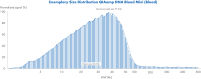
Ejemplo de distribución de tamaño con el QIAamp DNA Blood Mini Kit (sangre)
Ejemplo de distribución de tamaño de ADN a partir de sangre con el QIAamp DNA Blood Mini Kit. Se analizaron muestras con el Femto Pulse System y se normalizaron las señales hasta el pico máximo.

Recursos
Manuales de uso de kits (9)
Protocolos desarrollados por el usuario (2)
Carteles científicos (1)
Protocolos complementarios (4)
Folletos y guías (7)
Hojas de datos sobre seguridad (1)
Protocolos de inicio rápido (1)
Información técnica y notas importantes (2)
Notas de aplicación (1)
Certificados de análisis (1)
Safety Data Sheets (1)
Certificates of Analysis (1)
Publicaciones
A multiplex ligase detection reaction-fluorescent microsphere assay for simultaneous detection of single nucleotide polymorphisms associated with Plasmodium falciparum drug resistance.
J Clin Microbiol; 2006; 45 (3):752-61 2006 Nov 22 PMID:17121999
The association of sequence variants in DNA repair and cell cycle genes with cancers of the upper aerodigestive tract.
Carcinogenesis; 2006; 28 (3):665-71 2006 Oct 13 PMID:17040931
Individual-based assessment of population structure and admixture in Austrian, Croatian and German draught horses.
Heredity (Edinb); 2006; 98 (2):114-22 2006 Oct 11 PMID:17035951
Quantification of genital human immunodeficiency virus type 1 (HIV-1) DNA in specimens from women with low plasma HIV-1 RNA levels typical of HIV-1 nontransmitters.
J Clin Microbiol; 2006; 44 (12):4357-62 2006 Oct 18 PMID:17050820
The effect of the cyclin D1 (CCND1) A870G polymorphism on colorectal cancer risk is modified by glutathione-S-transferase polymorphisms and isothiocyanate intake in the Singapore Chinese Health Study.
Carcinogenesis; 2006; 27 (12):2475-82 2006 Jul 8 PMID:16829689
Preguntas frecuentes
When should carrier be used with the QIAamp DNA Mini or the DNeasy Blood & Tissue Kit?
Do you have a protocol for vacuum processing of blood samples with the QIAamp DNA Blood Midi or Maxi Kits?
How do I safely inactivate biohazardous flow-through material?
Are QIAamp DNA isolation kits suitable for apoptosis studies?
What dedicated QIAcube Kits are available?
What is the cellular composition of human blood?
How can I precipitate genomic DNA using isopropanol?
How do I perform a DNA precipitation to concentrate my sample?
How can QIAGEN Protease and Proteinase K be inactivated?
Do any of the kit components or the product packaging of the QIAamp 96 DNA Blood Kit contain latex?
What is the minimum number of cells that can be efficiently processed with the QIAamp DNA Mini and QIAamp Blood Mini kits and what is the expected yield?
Is the quality and size of DNA extracted with the QIAamp DNA Mini and QIAamp Blood Mini kit good enough to generate DNA-libraries for next generation sequencing (NGS)?
Do you have stability data for genomic DNA isolated with the QIAamp DNA Blood Mini Kit?
Is it possible to isolate DNA from bone marrow with the QIAamp DNA Blood Kits?
Why does the QIAamp DNA Mini Tissue Protocol require both ATL and AL buffer, while the Blood Protocol only uses AL?
What is the average amount of DNA and RNA present in 1 ml normal serum?
What can be used as an alternative to the A260 measurement for quantification of small amounts of RNA and DNA?
What is the composition of buffer AE?
Do I need to have EDTA in the buffer in which I am going to store my isolated genomic DNA?
What is the difference between QIAGEN Protease and QIAGEN Proteinase K provided in various QIAamp Kits?
Do you have a protocol for Streptokinase treatment of clotted blood?
Do you have a protocol for detection of HBV DNA by PCR?
Do you have a protocol for isolation of genomic DNA from saliva and mouthwash?
Do you have a protocol for isolation of genomic DNA from dried blood spots using the QIAamp 96 DNA Blood Kit?
Do you have a protocol for isolation of bacterial DNA from soil?