QIAamp DNA Kits for DNA Extraction

Zur Isolierung von genomischer, mitochondrialer, bakterieller, parasitärer oder viraler DNA

S_1621_RPA_QA_1058

✓ Automatische Verarbeitung von Online-Bestellungen 24/7

✓ Sachkundiger und professioneller technischer und Produkt-Support

✓ Schnelle und zuverlässige (Nach-)Bestellung

QIAamp DNA Micro Kit (50)

Kat.-Nr. / ID.   56304

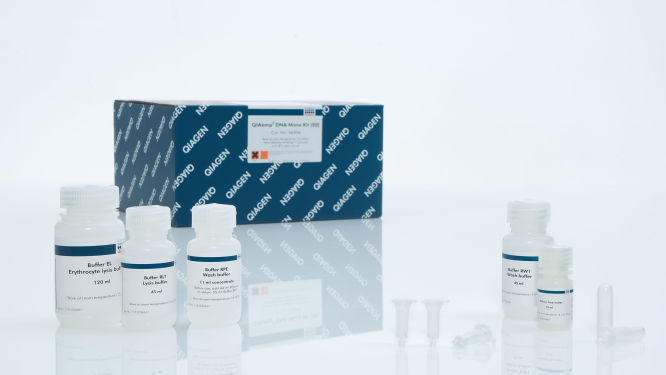
Für 50 DNA-Präparationen: 50 QIAamp MinElute Columns, Proteinase K, Carrier-RNA, Puffer, Collection Tubes (2 ml)
KitZubehör
QIAamp DNA Kit
QIAamp DNA Accessory Set
Säulentyp
Micro
Mini
Mini QIAcube
QIAamp DNA Kits sind für molekularbiologische Anwendungen vorgesehen. Diese Produkte sind nicht zur Diagnose, Prävention oder Behandlung einer Erkrankung vorgesehen.

✓ Automatische Verarbeitung von Online-Bestellungen 24/7

✓ Sachkundiger und professioneller technischer und Produkt-Support

✓ Schnelle und zuverlässige (Nach-)Bestellung

Eigenschaften

  • Schnelle Aufreinigung hochwertiger DNA
  • Keine organische Extraktion oder Alkoholausfällung
  • Konsistent hohe Ausbeute
  • Vollständige Entfernung von Verunreinigungen und Inhibitoren
  • Automatisierte Aufreinigung von 1–12 Proben mit dem QIAcube Connect


Angaben zum Produkt

QIAamp DNA Kits ermöglichen die Nukleinsäureaufreinigung auf Basis von Silikamembranen aus Gewebe, Abstrichen, Liquor, Blut, Körperflüssigkeiten oder gewaschenen Zellen aus Urin. Darüber hinaus können genomische und mitochondriale DNA aus kleinen Mengen von frischem oder gefrorenem Blut, Gewebe und getrockneten Blutspots aufgereinigt werden. Eine mechanische Homogenisierung ist nicht erforderlich, da die Gewebe enzymatisch lysiert werden. Die DNA-Aufreinigung von 1–12 Proben kann auf dem QIAcube Connect mit dem speziellen QIAamp DNA Mini QIAcube Kit automatisiert werden. Die Aufreinigung von DNA mit dem QIAamp DNA Micro Kit und dem QIAamp DNA Mini Kit kann auch auf dem QIAcube Connect automatisiert werden.

QIAamp DNA Mini-Standardprotokolle können auch mit dem TRACKMAN Connected System durchgeführt werden.


Leistung

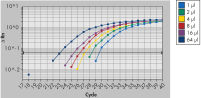
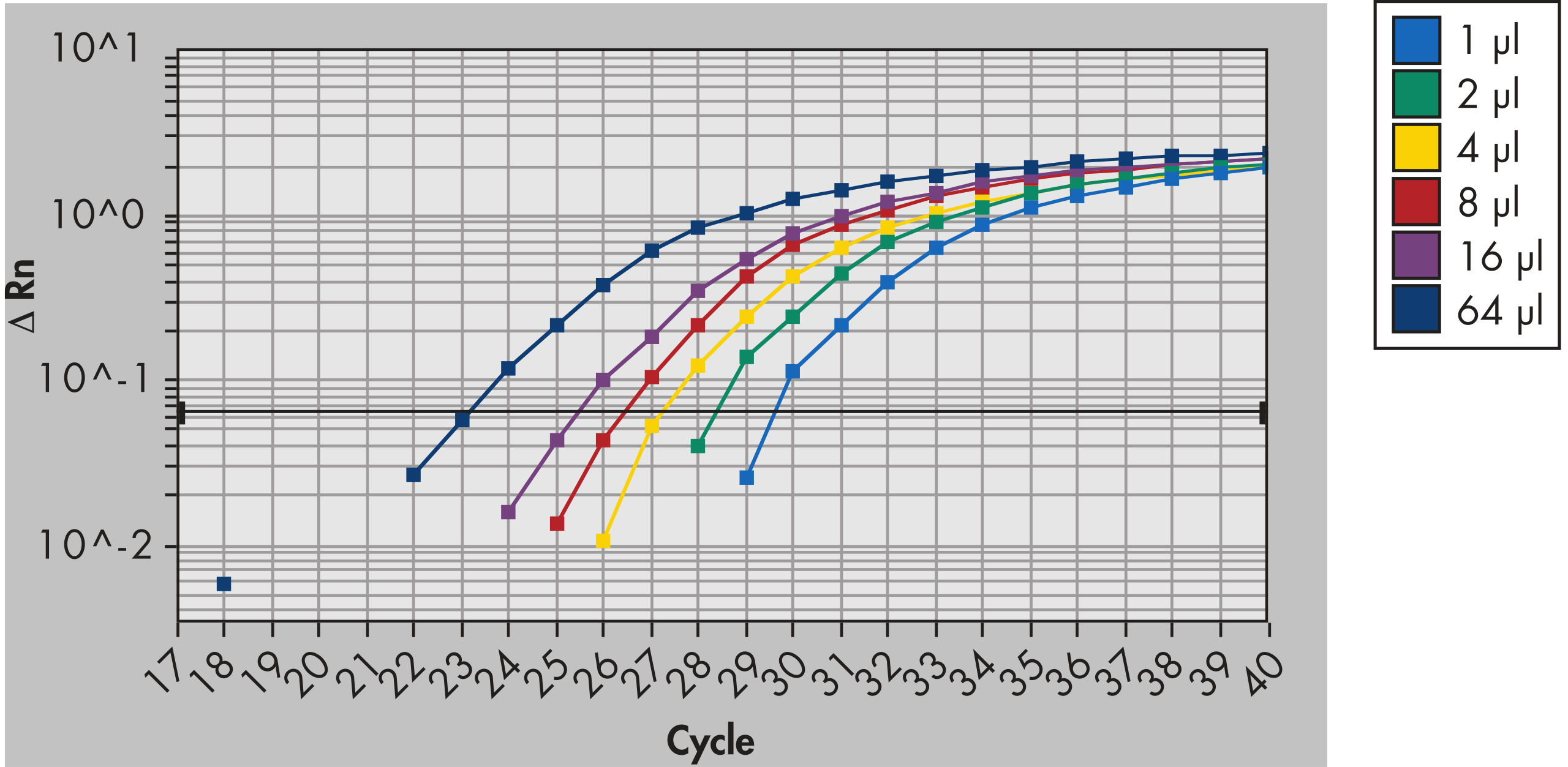
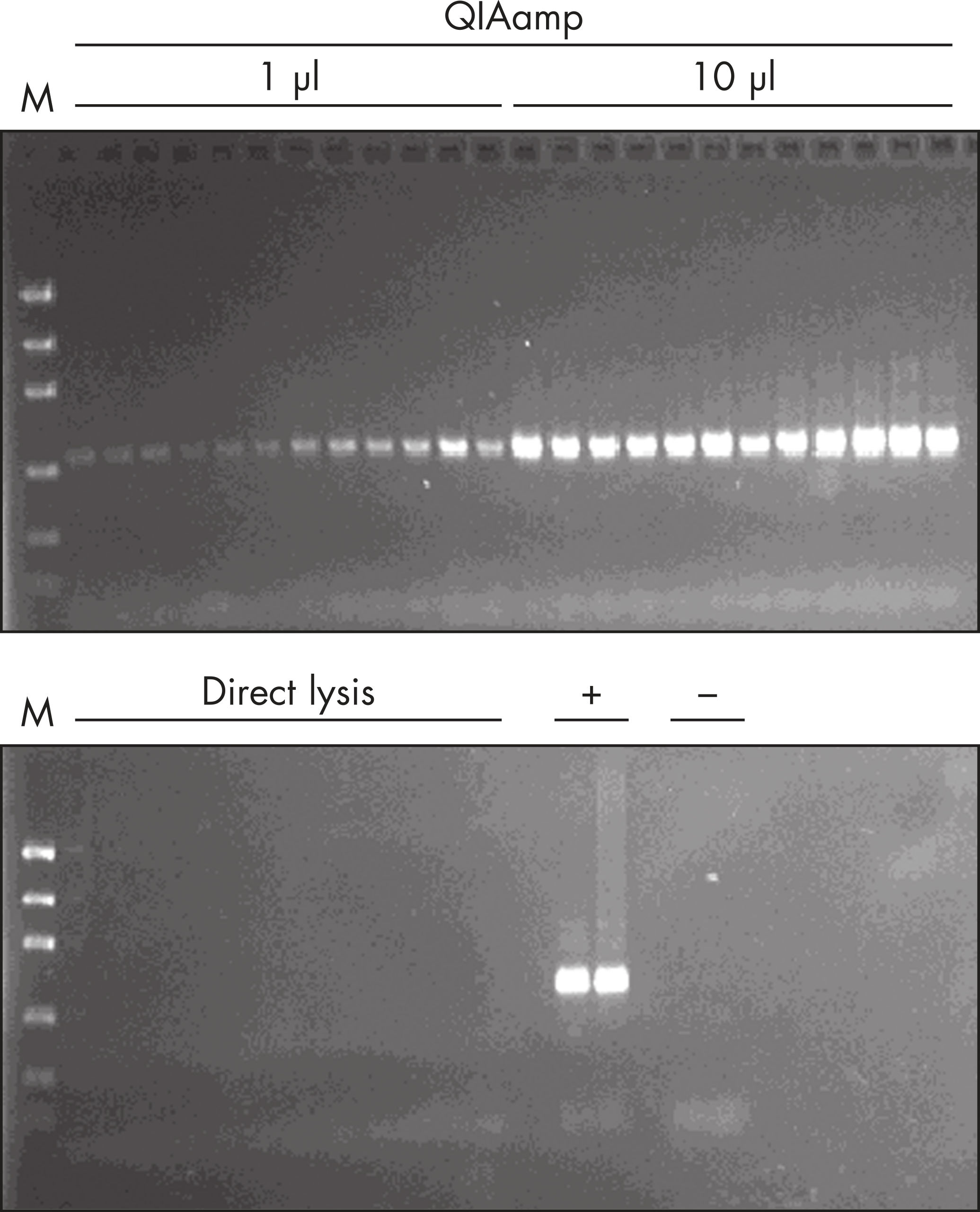
Das QIAamp DNA Micro Kit kombiniert die selektiven Bindungseigenschaften einer silikabasierten Membran mit flexiblen Elutionsvolumina zwischen 20 und 100 µl. Die mit dem QIAamp DNA Micro Kit aufgereinigte DNA ist frei von Proteinen, Nukleasen und anderen Verunreinigungen und eignet sich für den Einsatz in empfindlichen nachgelagerten Anwendungen wie der Real-time PCR (siehe Abbildung „ Effiziente Aufreinigung von DNA aus kleinen Proben“) und der Laser-Mikrodissektions-PCR (siehe Abbildung „ Laser-Mikrodissektions-PCR“). Gereinigte DNA kann auch für die Genotypisierung von Mikrosatelliten-DNA (Short Tandem Repeats, STR), die Genotypisierung von Einzelnukleotid-Polymorphismen (SNP) oder die pharmakogenomische Forschung verwendet werden.
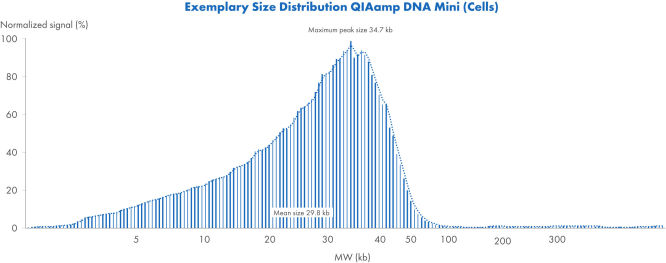
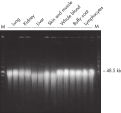
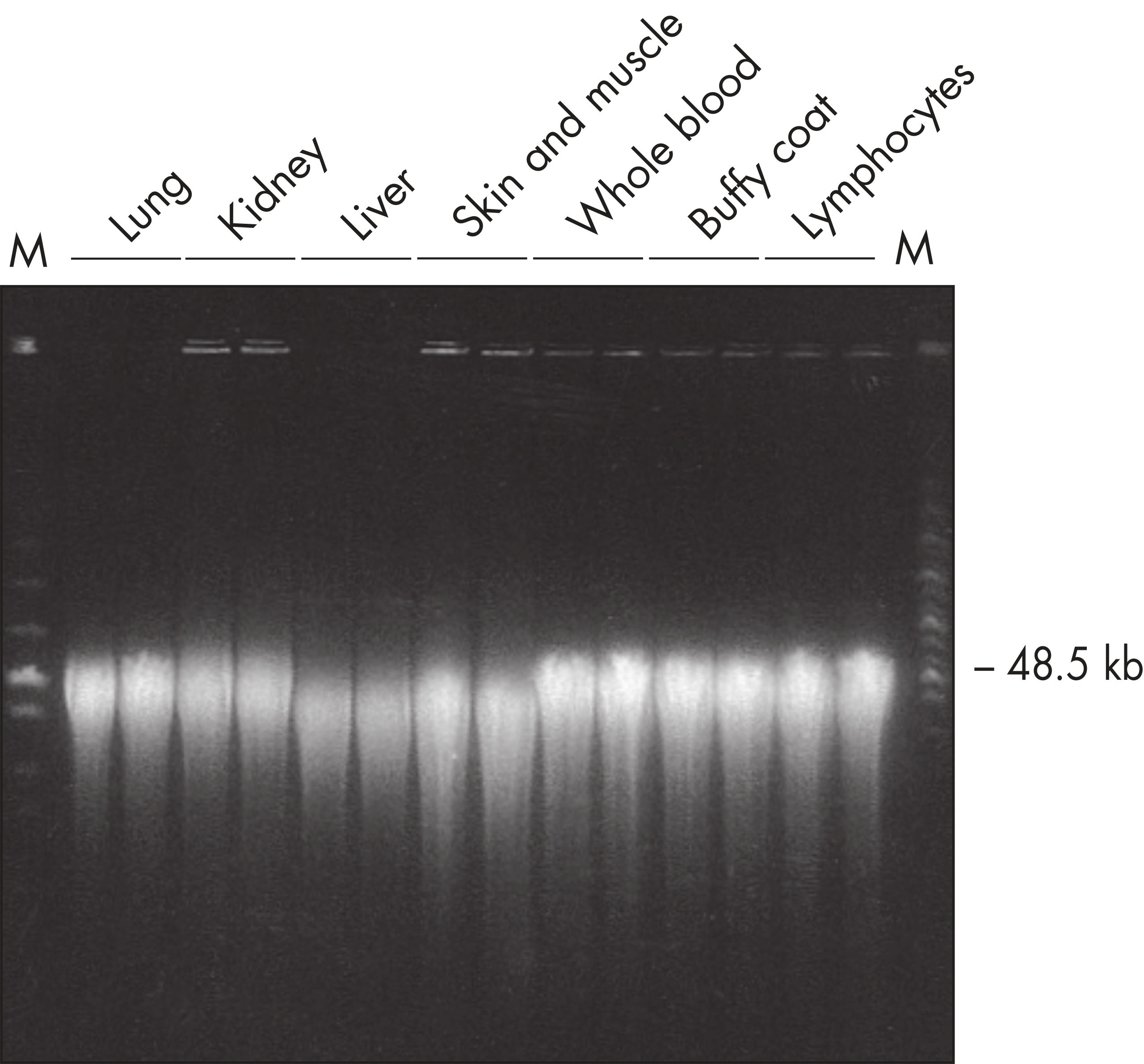
Das QIAamp DNA Mini Kit vereinfacht die DNA-Isolierung aus Gewebeproben mit schnellen Spin-Säulen- oder Vakuumverfahren und liefert DNA in einer Größe von bis zu 50 kb (siehe Abbildung „ Aufreinigung von bis zu 50 kb genomischer DNA“). DNA dieser Länge denaturiert vollständig und hat die höchste Amplifikationseffizienz. Die Ausbeuten an Nukleinsäuren oder DNA sind abhängig vom Ausgangsmaterial (siehe Tabelle „Typische Ausbeuten mit dem QIAamp DNA Mini Kit“). Die mit dem QIAamp DNA Mini Kit aufgereinigte DNA kann für eine Vielzahl von nachgelagerten Anwendungen genutzt werden, darunter PCR und quantitative Real-time PCR, Southern Blotting, SNP- und STR-Genotypisierung und pharmakogenomische Forschung.
Probe Menge Gesamtausbeute an Nukleinsäuren
(µg)*
DNA-Ausbeuten
(µg)†
Blut 200 µl 4–12 4–12
Buffy Coat 200 µl 25–50 25–50
Zellen 106 20–30 15–20
Leber 25 mg 60–115 10–30
Gehirn 25 mg 35–60 15–30
Lunge 25 mg 25–45 5–10
Herz 25 mg 15–40 5–10
Niere 25 mg 40–85 15–30
Milz 10 mg 25–45 5–30

Das QIAamp DNA Mini QIAcube Kit liefert DNA mit einer Größe von bis zu 50 kb: DNA dieser Länge denaturiert vollständig und hat die höchste Amplifikationseffizienz. Die aufgereinigte DNA kann in einer Reihe von Anwendungen eingesetzt werden, darunter:

  • Virale Forschung
  • Bakterielle Forschung
  • Pilzforschung
  • Krebsforschung
  • Humangenetische Forschung
  • Vaterschaftstests
  • Forensische Analyse

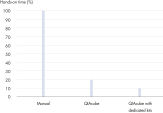
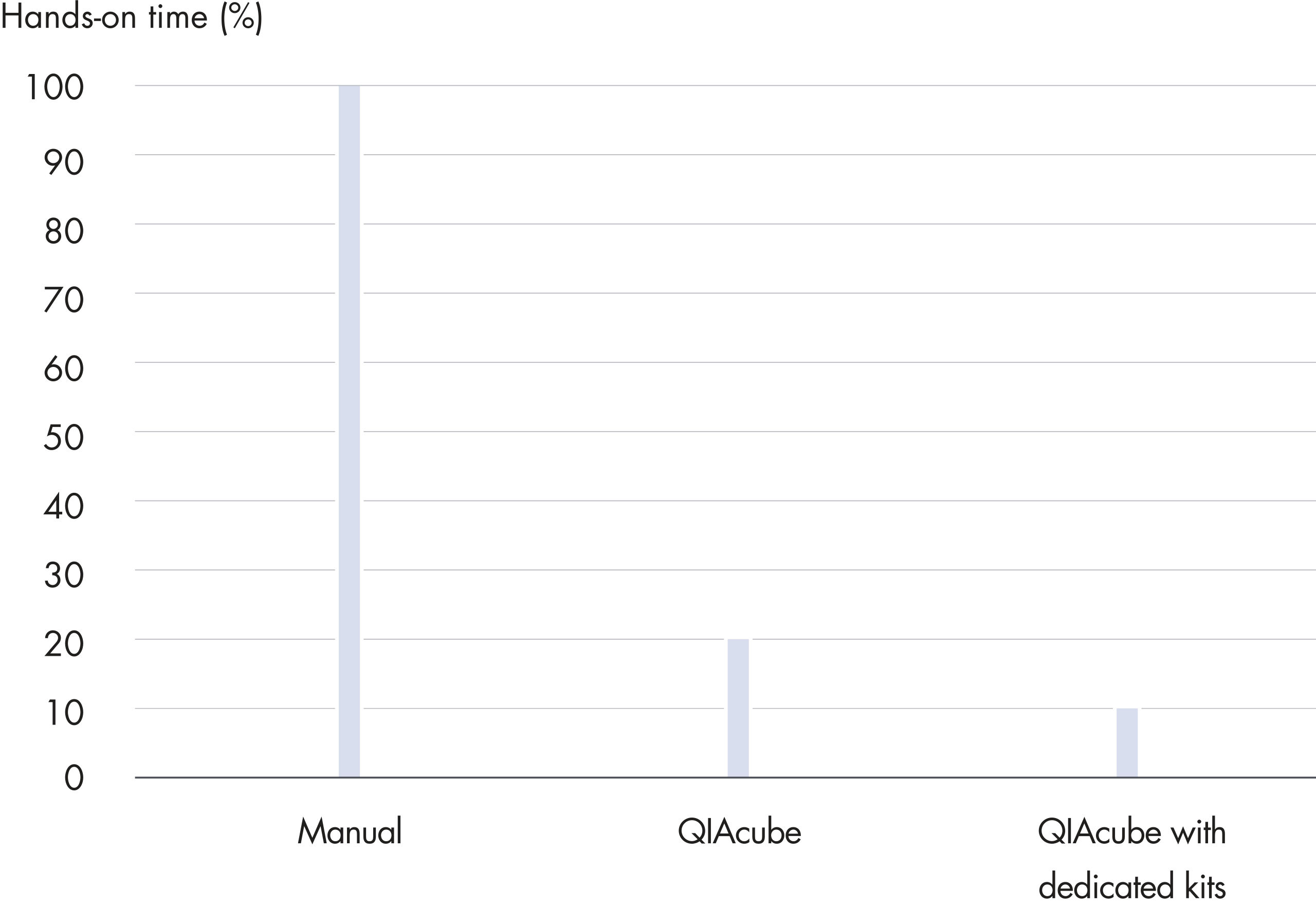
Das QIAamp DNA Mini QIAcube Kit vereinfacht die DNA-Isolierung aus Gewebeproben mit schnellen Spin-Säulen-Verfahren. Das Kit enthält Rotoradapter, die bereits mit QIAamp-Spin-Säulen und -Elutionsröhrchen bestückt sind, was zu mehr Komfort und Zeitersparnis führt (siehe Abbildung „ Signifikante Zeitersparnis“).
 

Prinzip

Während des QIAamp-DNA-Aufreinigungsverfahrens bindet die DNA spezifisch an die QIAamp MinElute- oder QIAamp- Silikagelmembran, während Verunreinigungen durchlaufen. Es ist keine Phenol-Chloroform-Extraktion erforderlich. PCR-Inhibitoren, wie z. B. zweiwertige Kationen und Proteine, werden in zwei effizienten Waschschritten vollständig entfernt, sodass reine DNA entweder in Wasser oder in einem mit dem Kit gelieferten Puffer eluiert werden kann.

Die QIAamp-DNA-Technologie ermöglicht die Gewinnung genomischer, mitochondrialer, bakterieller, parasitärer oder viraler DNA aus menschlichen Gewebeproben, die für PCR- und Blotting-Verfahren geeignet ist.

Die QIAamp-Probenvorbereitungstechnologie ist vollständig lizenziert, sodass die mit QIAamp aufgereinigten Nukleinsäuren in jedem molekularen Assay oder einer anderen nachgelagerten Anwendung ohne das Risiko einer Patentverletzung verwendet werden können.


Verfahren

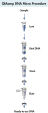
Optimierte Puffer und Enzyme im QIAamp DNA Mini Kit lysieren Proben, stabilisieren Nukleinsäuren und verbessern die selektive DNA-Adsorption an die QIAamp Membran. Es wird Alkohol hinzugefügt und die Lysate werden auf die QIAamp-Spin-Säule geladen.

Mit Waschpuffern werden Verunreinigungen entfernt und die reine, gebrauchsfertige DNA wird anschließend in Wasser oder salzarmem Puffer eluiert.

Eine mechanische Homogenisierung ist nicht erforderlich, da das Gewebe enzymatisch lysiert wird. Das praktische Spin-Säulen-Verfahren bedeutet, dass die manuelle Präparationszeit nur 20 Minuten beträgt (die Lysezeiten sind je nach Probenquelle unterschiedlich).

Die Proben können entweder mit einer Mikrozentrifuge oder, wenn Blut oder andere Körperflüssigkeiten verarbeitet werden, mit dem QIAvac 24 Plus bearbeitet werden. Darüber hinaus eignet sich das QIAamp DNA Mini Kit aufgrund des stringenten Lyseverfahrens ideal für die Aufreinigung genomischer DNA aus Bakterien oder Parasiten.

Um den Zeitaufwand weiter zu reduzieren, kann die Aufreinigung genomischer DNA auf dem QIAcube automatisiert werden. Das QIAamp DNA Accessory Set A enthält die zusätzlichen Puffer und Reagenzien, die für die Isolierung von genomischer, mitochondrialer, bakterieller, parasitärer oder viraler DNA unter Verwendung des QIAcube mit 12 x QIAamp DNA Mini Kits (50) benötigt werden.

Vakuumverarbeitung

Blut oder andere Körperflüssigkeiten können mithilfe von Vakuum anstatt von Zentrifugation verarbeitet werden, um die DNA-Aufreinigung zu beschleunigen und zu erleichtern. QIAamp Mini-Spin-Säulen werden mithilfe von VacValves und VacConnectors auf dem QIAvac 24 Plus-Vakuumverteiler angebracht.

VacValves sollten verwendet werden, wenn die Durchflussraten der Proben erheblich voneinander abweichen, um ein gleichmäßiges Vakuum zu gewährleisten. Um Kreuzkontaminationen zu vermeiden, werden Einweg-VacConnectors verwendet. Mithilfe von VacConnectors können diese QIAamp-Spin-Verfahren auch auf QIAvac 6S mit QIAvac Luer Adaptern durchgeführt werden.

Automatisierte DNA-Isolierung auf dem QIAcube Connect

Das spezielle QIAamp DNA Mini QIAcube Kit ist mit vorgeladenen Spin-Säulen und Elutionsröhrchen in Rotoradaptern für QIAcube-Instrumente ausgestattet, wodurch das Risiko von Fehlern durch falsches Beladen von Rotoradaptern ausgeschlossen wird. Das spezielle Kit ist auf die Anforderungen des QIAcube zugeschnitten, was die Abfallmenge reduziert.

Ein einfaches Protokoll (lysieren, binden, waschen und eluieren) und ein automatisiertes Protokoll auf dem QIAcube Connect erfordern nur minimale Benutzerinteraktion.

Der preisgekrönte QIAcube Connect nutzt eine fortschrittliche Technologie zur Verarbeitung von QIAGEN-Spin-Säulen und ermöglicht die nahtlose Integration von automatisierter Probenpräparation im geringen Durchsatz in die Laborabläufe. Alle Schritte des Aufreinigungsverfahrens sind vollständig automatisiert – bis zu 12 Proben können pro Lauf bearbeitet werden. Der QIAcube Connect und das spezielle QIAamp DNA Mini QIAcube Kit sind die ideale Kombination für eine schnelle, einfache und bequeme DNA-Aufreinigung.


Anwendungen

Das QIAamp DNA Micro Kit-Verfahren eignet sich für ein breites Spektrum von Probenmaterialien, einschließlich kleiner Mengen an Blut, Blutkarten, Urin und kleinen Gewebeproben, einschließlich Laser-Mikrodissektionen.

Das QIAamp DNA Mini Kit ist ideal für die Aufreinigung von DNA aus den am häufigsten verwendeten menschlichen Gewebeproben, einschließlich Muskel-, Leber-, Herz-, Gehirn-, Knochenmark- und anderen Geweben, Abstrichen (Wangen-, Augen-, Nasen-, Rachenabstrichen und anderen), Liquor, Blut, Körperflüssigkeiten und gewaschenen Zellen aus Urin. DNA kann aus bis zu 25 mg Gewebe oder bis zu 200 µl Flüssigkeit in 20 Minuten aufgereinigt und in 50–200 µl eluiert werden.

Das QIAamp DNA Mini QIAcube Kit ist für die automatisierte Isolierung von genomischer, mitochondrialer, parasitärer oder viraler DNA auf dem QIAcube Connect ausgelegt. Zu den Probenquellen gehören Gewebe, Wangenabstriche, Liquor und gewaschene Zellen aus Urin.


Vergleich der QIAamp DNA Kits
Eigenschaften QIAamp DNA Micro Kit QIAamp DNA Mini Kit
Anwendungen Real-time PCR, STR-Analyse, LMD-PCR PCR, Southern Blotting
Elutionsvolumen 20–100 µl 50–200 µl
Format Spin-Säule Spin-Säule
Hauptprobentyp Vollblut Vollblut, Gewebe, Zellen
Verfahren Manuell (Zentrifugation oder Vakuum) Manuell (Zentrifugation oder Vakuum)
Aufreinigung von Gesamt-RNA, miRNA,
poly A+-mRNA, DNA oder Protein
Genomische DNA, mitochondriale DNA Genomische DNA, mitochondriale DNA,
bakterielle DNA, Parasiten-DNA, virale DNA
Probenmenge 1–100 µl 200 µl/25 mg/5 x 106
Technologie Silika-Technologie Silika-Technologie
Zeit pro Lauf oder Präparation 30 Minuten 20 Minuten
Ausbeute <3 µg 4–30 µg


Ergänzende Daten und Abbildungen

Ressourcen

Kit-Handbücher (8)
For purification of genomic DNA from small volumes of blood, dried blood spots, swabs, forensic case work samples, chewing gum, urine, tissues, laser-microdissected tissues; For cleanup of genomic DNA
Sicherheitsdatenblätter (1)
Download Safety Data Sheets for QIAGEN product components.
Kurzprotokolle (1)
Anwenderentwickelte Protokolle (9)
The protocol can be used for fresh or frozen semen samples with equal efficiency. Frozen samples must be thawed thoroughly before use. Please note that lysis time will vary depending on the size and density of the source material.
These procedures have been used successfully for isolation of genomic DNA from Aspergillus and Candida species, from both fungal cultures and blood.
This protocol has only been tested with ‘soft’ tissues (e.g., liver, spleen, thymus, heart, kidney, and brain) and may not work with ‘hard’ tissues (e.g., bone, teeth, and skin).
Ergänzende Protokolle (5)
For parallel preparation of genomic, bacterial, or viral DNA or viral RNA from more than 24 samples, we recommend using QIAamp® Spin Columns with 4-6 ml collection tubes. Any tube with an inner diameter of 9-10 mm (outer diameter 11-12 mm) is suitable.
Applikations-/Protokolldokumente (1)
For QIAamp DNA Mini Kit (50) plus QIAamp DNA Accessory Set A, cat. no. 1048145, or QIAamp DNA Mini Kit (250) plus QIAamp DNA Accessory Set B, cat. no. 1048146
Gerät: Benutzerhandbücher (1)
Safety Data Sheets (1)
Certificates of Analysis (1)

FAQ

When should carrier be used with the QIAamp DNA Mini or the DNeasy Blood & Tissue Kit?

For DNA isolation using the QIAamp DNA Mini, or the DNeasy Blood & Tissue Kit, we recommend using carrier DNA when expected yields are below 10 ng. If possible, carrier DNAs such as poly-dA, poly-dT or poly-dA:dT should be used. Other carrier DNAs such as herring sperm DNA may interfere with subsequent PCR by binding primers nonspecifically.

Please note that poly-dA may interfere with oligo-dT primers, and, in this case, a different carrier DNA should be used. The concentration of carrier DNA should be at least 10 µg/ml. Optimal amounts need to be determined empirically for each application. The size distribution of carrier DNAs is typically in the range of 100 bp to 10 kb.

FAQ-100
Can mitochondria separated with the Qproteome Mitochondria Isolation Kit be used for downstream DNA isolation?

Even though we have not tested this, we assume that both the QIAamp DNA Micro Kit and the AllPrep DNA/RNA Mini Kit will work to isolate DNA from mitochondria separated with the Qproteome Mitochondria Isolation Kit.


FAQ-1188
How do I safely inactivate biohazardous flow-through material?

Always dispose of potentially biohazardous solutions according to your institution’s waste-disposal guidelines. Although the lysis and binding buffers in QIAamp, DNeasy, and RNeasy kits contain chaotropic agents that can inactivate some biohazardous material, local regulations dictate the proper way to dispose of biohazards. DO NOT add bleach or acidic solutions directly to the sample-preparation waste. Guanidine hydrochloride in the sample-preparation waste can form highly reactive compounds when combined with bleach.
Please access our Material Safety Data Sheets (MSDS) online for detailed information on the reagents for each respective kit.

FAQ-12
Does the Epitect Bisulfite Kit also work on DNA extracted from plants?

Bisulfite conversion of unmethylated cytosines into uracils with the EpiTect Bisulfite Kit works on DNA irrespective of the source organism. The DNA template needs to be of high purity for efficient conversion. We recommend to use genomic DNA extracted with our DNA isolation kits for clinical or animal and plant samples as a template for the EpiTect Bisulfite Kit.

FAQ-1209
Are QIAamp DNA isolation kits suitable for apoptosis studies?

Yes. We have used the QIAamp DNA Blood Mini Kit to purify DNA fragments as small as 168 base pairs. Our product profile for this kit shows a picture of the apoptotic banding pattern obtained after storage of blood samples at 4°C for extended periods of time prior to isolating DNA.


FAQ-149
Do you have a protocol for cleanup of REPLI-g amplified DNA?

Yes, please follow the Supplementary Protocol 'Purification of REPLI-g amplified DNA using the QIAamp DNA Mini Kit' (RG14).


FAQ-1545
Do you have a protocol for purification of genomic DNA from cultured cells using the QIAamp DNA Micro Kit?

Yes, please follow the User-Developed Protocol 'Purification of genomic DNA from cultured cells using the QIAamp DNA Micro Kit' (QA43).

Note:  The maximum amount of cells that can be used with this protocol has not been thoroughly tested.  However, we would suggest using no more than 1 x 10⁶ cells.


FAQ-1547
What dedicated QIAcube Kits are available?
How can I precipitate genomic DNA using isopropanol?

Alcohol precipitation is commonly used for concentrating, desalting, and recovering nucleic acids. Since less alcohol is required for isopropanol precipitation, this is the preferred method for precipitation of DNA from large volumes. In addition, isopropanol precipitation can be performed at room temperature, which minimizes co-precipitation of salt that interferes with downstream applications.


Procedure

  1. Adjust the salt concentration, for example, with sodium acetate (0.3 M, pH 5.2, final concentration) or ammonium acetate (2.0–2.5 M, final concentration).
  2. Add 0.6–0.7 volumes of room-temperature isopropanol to the DNA solution and mix well.
  3. Centrifuge the sample immediately at 10,000–15,000 x g for 15–30 min at 4°C
  4. Carefully decant the supernatant without disturbing the pellet.
  5. Wash the DNA pellet by adding 1–10 ml (depending on the size of the preparation) of room-temperature 70% ethanol. This removes co-precipitated salt and replaces the isopropanol with the more volatile ethanol, making the DNA easier to redissolve.
  6. Centrifuge at 10,000–15,000 x g for 5–15 min at 4°C.
  7. Carefully decant the supernatant without disturbing the pellet.
  8. Air-dry the pellet for 5–20 min (depending on the size of the pellet).
  9. Redissolve the DNA in a suitable buffer.

Tip: Use a buffer with a pH of 7.5–8.0, as DNA does not dissolve easily in acidic buffers. Often distilled water can have an acidic pH. The addition of EDTA protects the DNA from DNase digestion.

Tip: High-molecular-weight DNA, such as genomic DNA, should be redissolved very gently to avoid shearing. If the DNA pellet does not dissolve easily, heat at 55°C for 1–2 h with gentle shaking.

FAQ-2953
303 - Can I use my own lysis buffer with the DNeasy Blood & Tissue or QIAamp DNA Mini Kit?

If you have optimized the lysis conditions for a specific sample type, you can lyse the sample in your lysis buffer, and follow the Supplementary Protocol 'Purification of total DNA from crude lysates using the DNeasy Blood & Tissue Kit' (DY15), or the corresponding protocol in the Appendix of the QIAamp DNA Mini Kit and QIAamp DNA Blood Mini Kit Handbook.


FAQ-303
How do I perform a DNA precipitation to concentrate my sample?
  • Add 1/10 volume of 3 M Na-Acetate pH 5.2, and 2 to 2.5 volumes of ice-cold 100% ethanol to the DNA sample
  • Mix, and store at –20°C for at least 1 h to precipitate the DNA
  • Recover the precipitated DNA by centrifugation at full speed in a microcentrifuge for 15–20 min
  • Pour off the ethanol and wash the pellet twice with room-temperature 70% ethanol
  • Allow the DNA pellet to air-dry
  • resuspend the DNA in a suitable volume of sterile TE buffer or distilled water
FAQ-305
How can QIAGEN Protease and Proteinase K be inactivated?

QIAGEN Protease is inactivated by incubation at 70°C for 15 minutes.

To our knowledge, Proteinase K cannot be completely heat-inactivated. Even when incubating at 95°C for 10 minutes, some enzymatic activity remains. This will not negatively affect the QIAamp Procedure, since the enzyme will be efficiently removed by the wash steps in the protocols.

FAQ-315
3212 - What is the minimum size of DNA fragment that can be isolated with QIAamp DNA Mini kit?

Fragments of approximately 200 bp can be isolated with good recovery. Smaller fragments can also be isolated but the recovery will be reduced with decreasing fragment lengths.

FAQ-3212
What is the shelf-life for QIAGEN Proteinase K (cat. no. 19131, 19133)?

QIAGEN Proteinase K is stable for up to 1 year after delivery when stored at room temperature. To prolong the shelf-life of Proteinase K, storage at 2–8°C is recommended.

FAQ-3447
What is the minimum number of cells that can be efficiently processed with the QIAamp DNA Mini and QIAamp Blood Mini kits and what is the expected yield?
In QIAGEN labs, we have isolated DNA from a minimum of 1000 cells or 1 ul of whole blood sample. The expected yield from 1 ul of whole blood with 4000-7000 leukocytes is 30 ng of genomic DNA. The expected yield of genomic DNA from a single eukaryotic cell is 6 pg. However, please bear in mind that for these small quantities, we would recommend the QIAamp DNA Micro kit instead.
FAQ-3516
Is the quality and size of DNA extracted with the QIAamp DNA Mini and QIAamp Blood Mini kit good enough to generate DNA-libraries for next generation sequencing (NGS)?
The size of DNA obtained with QIAamp DNA Mini and QIAamp Blood Mini kit ranges between 100 bp and 50 kb, with 30 kb fragments predominating. The 30 kb fragments are a good starting point for most of the library preparations. Furthermore, the purified DNA is free of protein, nucleases, and other contaminants and inhibitors, and therefore is suitable for NGS.
FAQ-3518
How much protein does one vial of Protease in the QIAamp spin kits contain? What is the concentration of the resuspended Protease?
A vial of Protease with 7.5 Anson units (AU) contains approximately 167 mg protein (45 mAU/mg protein). If the content of the vial is diluted in 7 ml, the concentration would roughly be 24 mg/ml.
FAQ-3520
I received a kit containing the MinElute columns; however, they were left out for a while and not stored at 2–8°C upon receipt. Can I still use them?

The MinElute spin columns included in the following kits should be stored at 2–8°C upon arrival: AllPrep DNA/RNA Micro, EpiTect Fast DNA Bisulfite, EpiTect Fast FFPE Bisulfite, EpiTect Fast LyseAll Bisulfite, EpiTect Plus DNA Bisulfite, EpiTect Plus FFPE Bisulfite, EpiTect Plus LyseAll Bisulfite, exoRNeasy Serum/plasma Maxi, exoRNeasy Serum/Plasma Midi, GeneRead DNA FFPE, GeneRead rRNA Depletion, GeneRead Size Selection, MinElute Gel Extraction, MinElute PCR Purification, MinElute Reaction Cleanup, miRNeasy FFPE, miRNeasy Micro, miRNeasy Serum/Plasma, QIAamp DNA FFPE, QIAamp DNA Investigator, QIAamp DNA Micro, QIAamp MinElute Media, QIAamp MinElute Virus Spin, QIAamp MinElute Virus Vacuum, RNeasy FFPE, RNeasy Micro, RNeasy Plus Micro.

Short-term storage (up to 4 weeks) at room temperature (15–25°C) does not affect the performance. However, for optimal performance and quality, storage temperature should not exceed 25°C.

FAQ-3560
How can I improve DNA yields from very tough tissues using the DNeasy Blood & Tissue Kit or the QIAamp DNA Mini Kit?

Efficient DNA isolation requires thorough sample disruption and digestion.

Although the QIAamp and DNeasy procedures requires no mechanical disruption of the tissue sample, the lysis time will be reduced if the sample is ground in liquid nitrogen or mechanically homogenized in advance. For mechanical homogenization, a rotor–stator homogenizer, such as the QIAGEN TissueRuptor, or a bead mill, such as the QIAGEN TissueLyser, can be used.

To improve digestion of tough tissue samples, Proteinase K incubation at 56°C can be performed overnight. DNA yields may be improved by increasing the amount of Proteinase K or by adding additional proteinase K after several hours of digestion.  

FAQ-374
Which QIAGEN DNA extraction kits are compatible with the PAXgene Saliva Collector?

Protocols for automated DNA extraction from saliva stabilized with the PAXgene Saliva Collector are available for the QIAsymphony DNA Midi Kit with the QIAsymphony SP instrument or the QIAamp DNA Mini Kit with the QIAcube (Classic and Connect). 
For manual extraction, supplementary protocols are available for the QIAamp DNA Mini and Gentra Puregene Cell Kits (see resources section).

FAQ-3821
What are the expected DNA yields from different tissues using the QIAamp DNA Mini Kit?

The expected DNA yields from different tissues using the QIAamp DNA Mini Kit are as follows:

Sample Nucleic acid yield without RNase A treatment (ug) DNA yield with RNase A treatment (ug)
Blood (200 ul) 4–12 4–12
Buffy coat (200 ul) 25–50 25–50

Cultured cells (5 x 10e6)

20–30 15–20
Liver (25 mg) 60–115 10–30
Brain (25 mg) 35–60 15–30
Lung (25 mg) 8–20 5–10
Heart (25 mg) 25–45 5–10
Kidney (25 mg) 40–85 15–30
Spleen (10 mg) 25–45 5–30

DNA was purified with QIAamp Kits following standard protocols.

FAQ-45
Why is carrier RNA used during the isolation of gDNA from microdissected samples with the QIAamp DNA Micro Kit?
When purifying small amounts of DNA using silica technology, the addition of carrier RNA or DNA enhances the recovery of DNA. Carrier prevents the small amount of target nucleic acid present in the sample from being irretrievably bound. Other typical “precipitation” carriers, such as glycogen, cannot be used. The carrier used must be a nucleic acid, and of a large enough size (>200nt) to bind to the silica membrane.
FAQ-473
Why are the centrifugation speeds for the QIAamp DNA Mini kit at 6000 x g? Can I spin at full speed?
The initial centrifugations are performed at 6000 x g simply to reduce centrifuge noise. The final spin with the ethanolic wash buffer and the optional drying spin are both done at full speed to enhance ethanol drying from the spin column. Earlier centrifugation steps can also be performed at full speed, and this will not negatively affect DNA yield or quality.
FAQ-474
What do you recommend for the cleanup of genomic DNA (gDNA)?

Using QIAGEN Genomic-tips

Protocol for DNA cleanup using Genomic-tips can be found in the 'Special Applications' section of the QIAGEN Genomic DNA Handbook.


Using QIAamp DNA Micro kit

Up to 10ug of gDNA can be cleaned using the cleanup protocol in the QIAamp DNA Micro Handbook.


Using Gentra Puregene Reagents

Gentra Puregene Handbook has protocols for removal of proteins and RNA from purified gDNA in Appendix C and Appendix D respectively.

FAQ-618
What is the expected yield of genomic DNA isolated from bacteria with the DNeasy Blood & Tissue or QIAamp DNA Mini Kit?

The expected yield of genomic DNA isolated from bacteria with the DNeasy Blood & Tissue Kit or the QIAamp DNA Mini Kit is approximately 10 ug of DNA per 2x 10⁹ bacterial cells. Note that yields of genomic DNA will vary depending on bacterial strain, quality of the starting material, growing conditions, and the amount of material processed.


FAQ-632
Why does the QIAamp DNA Mini Tissue Protocol require both ATL and AL buffer, while the Blood Protocol only uses AL?

Tissue is more difficult to lyse than cells in a blood sample. Therefore an additional incubation step in buffer ATL containing Proteinase K is included in the Tissue Protocol to achieve complete sample lysis. Blood cells will directly lyse by incubation in Buffer AL containing QIAGEN Protease. Buffer AL is required in both protocols to ensure appropriate conditions for DNA binding to the silica membrane. For further details on the protocols, please refer to the QIAamp DNA Mini and QIAamp DNA Blood Mini Kit Handbook.

FAQ-633
What can be used as an alternative to the A260 measurement for quantification of small amounts of RNA and DNA?

Small amounts of RNA and DNA may be difficult to measure spectrophotometrically. Fluorometric measurements, or quantitative RT-PCR and PCR are more sensitive and accurate methods to quantify low amounts of RNA or DNA.

Fluorometric measurements are carried out using nucleic acid binding dyes, such as RiboGreen® RNA Quantitation Reagent for RNA, and PicoGreen® DNA Quantitation Reagent for DNA (Molecular Probes, Inc.).

FAQ-728
What is the composition of buffer AE?

The composition of Buffer AE is:

  • 10 mM Tris-Cl
  • 0.5 mM EDTA; pH 9.0.
FAQ-730
Do I need to have EDTA in the buffer in which I am going to store my isolated genomic DNA?

EDTA chelates divalent cations which are required for nuclease activity. While the genomic DNA (gDNA) extracted using QIAGEN products, should not have any nuclease activity, it is possible to introduce nucleases during repeated long-term access of the DNA. EDTA helps to prevent any nuclease activity introduced after the genomic DNA extraction procedures.

However, if the gDNA is stored frozen at -20oC or -80oC, nuclease activity is much reduced. It may be possible to leave EDTA out of the storage buffer without negative consequences when samples are kept under these conditions, and when repeated freeze-thaw cycles are avoided.

We do recommend however that gDNA be stored in a neutral to a slightly basic buffered solution (e.g. 10 mM Tris-Cl pH 8.5 to 9.0) to prevent DNA degradation by acid hydrolysis. Note that deionized water mostly has an acidic pH.

FAQ-754
What is the difference between QIAGEN Protease and QIAGEN Proteinase K provided in various QIAamp Kits?

QIAGEN Proteinase K is a subtilisin-type protease, which cleaves at the carboxyl side of hydrophobic, aliphatic and aromatic amino acids. It is particularly suitable for short digestion times. It possesses a high specific activity over a wide range of temperatures and pH values with substantially increased activity at higher temperature. Soluble calcium is not essential for enzymatic activity. This means that EDTA, which is used to inhibit Mg2+-dependent enzymes such as nucleases, will not inhibit Proteinase K activity.

QIAGEN Protease is a broad-specificity Serine protease with high activity, cleaving preferentially at neutral and acidic residues. It is an economical alternative to Proteinase K for isolation of native DNA and RNA from a variety of samples.

FAQ-761
Do you have a protocol for the isolation of genomic DNA from bone?

Yes, we have the following protocols:

  • Isolation of genomic DNA from compact bone using the QIAamp DNA Mini Kit (QA02)
  • Isolation of genomic DNA from compact bone using the DNeasy Blood & Tissue Kit (DY01)
  • Purification of genomic DNA from bones using the QIAamp DNA Micro Kit (QA39)
  • Purification of archive-quality DNA from bone fragments using the Gentra Puregene Tissue Kit (PG38).
FAQ-908
Do you have a protocol for the isolation of genomic DNA from sperm?

Yes, we have the following protocols:

  • Isolation of genomic DNA from sperm using the QIAamp DNA Mini Kit; protocol 1 (QA03), long procedure
  • Isolation of genomic DNA from sperm using the QIAamp DNA Mini Kit; protocol 2 (QA04), short procedure
  • Purification of total DNA from animal sperm using the DNeasy Blood and Tissue kit; protocol 1 (DY02), long procedure
  • Purification of total DNA from animal sperm using the DNeasy Blood and Tissue kit; protocol 2 (DY03), short procedure
  • Purification of DNA from epithelial cells mixed with sperm cells using the QIAamp DNA Micro Kit (QA40).
FAQ-909
Do you have a protocol for the isolation of genomic DNA from fungi?

Yes, we have the following protocols:

  • Isolation of genomic DNA from fungi (culture and blood) using the QIAamp DNA Mini Kit (QA09).
  • Isolation of genomic DNA from plants and filamentous fungi using the QIAGEN Genomic-tip (QG08).
FAQ-911
Do you have a protocol for Acetyl Cysteine (NALC) treatment of viscous samples?

Yes, please follow either of the User-Developed Protocols:

FAQ-913
Do you have a protocol for the detection of Bordetella pertussis DNA by PCR?

Yes, please follow the User-Developed Protocol 'Detection of Bordetella pertussis DNA by PCR' (QA14). The procedure is for use with the QIAamp DNA Mini Kit.  Please contact Technical Service for this protocol.

FAQ-914
Do you have a protocol for isolation of genomic DNA from saliva and mouthwash?

Yes, we have the following protocols:

  • Isolation of genomic DNA from saliva and mouthwash using the QIAamp DNA Mini Kit; vacuum procedure (QA19v)
  • Isolation of genomic DNA from saliva and mouthwash using the QIAamp DNA Mini Kit; spin procedure (QA19s)
  • Isolation of genomic DNA from saliva using the DNeasy Blood & Tissue Kit; spin procedure (DY07)
FAQ-917
Do you have a protocol for the isolation of DNA from soft tissues using the TissueLyser?
Do you have a protocol for the isolation of DNA from epithelial cells mixed with sperm cells?
FAQ-926