TissueLyser LT

用于低到中通量样本破碎,适用于分子分析

特点

  • 同时破碎至多12个样本
  • 仪器结构紧凑
  • 配合可冷却的适配器,防止生物分子降解
  • 可处理各种类型的样本,获得高重复性结果
  • 与很多实验室流程兼容

产品详情

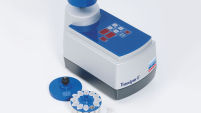
TissueLyser LT是一款小型球磨仪,可同时快速、高效的破碎至多12个样品。该通量与自动化样品制备工作站QIAcube全自动核酸纯化仪一致,可配合值得信赖的QIAGEN离心柱试剂盒使用。用不锈钢珠或玻璃珠高速震荡放置于2 ml微型离心管中的样品,实现同步破碎和匀浆。TissueLyser LT必须配合可冷却的适配器TissueLyser LT Adapter使用,该适配器在破碎过程中可固定试管。其他附件包括研磨珠和研磨珠分配器。

绩效

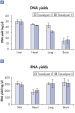
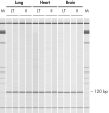
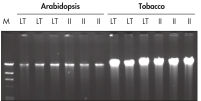
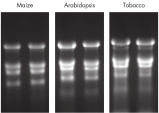
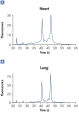
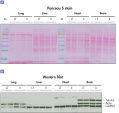
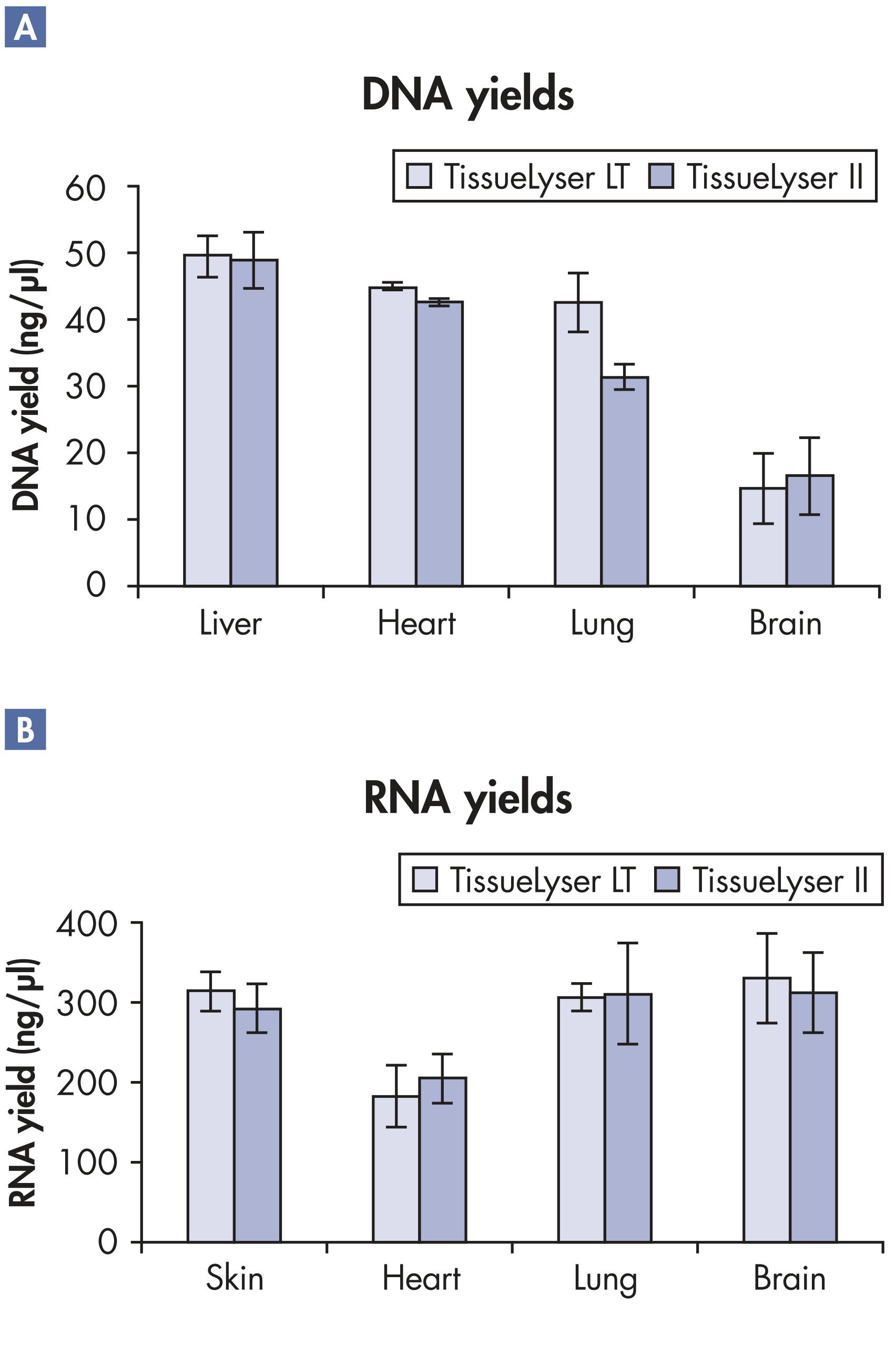
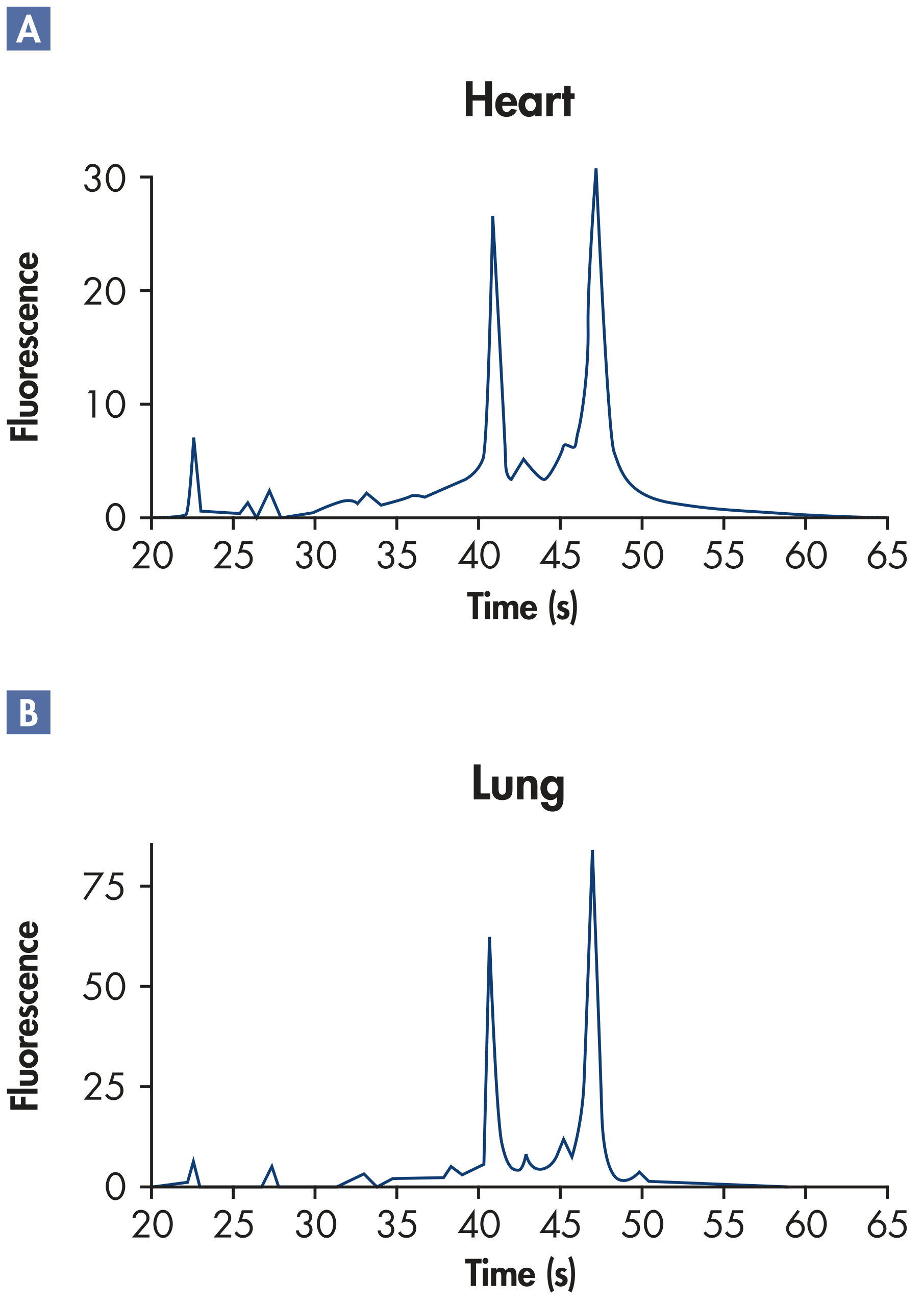
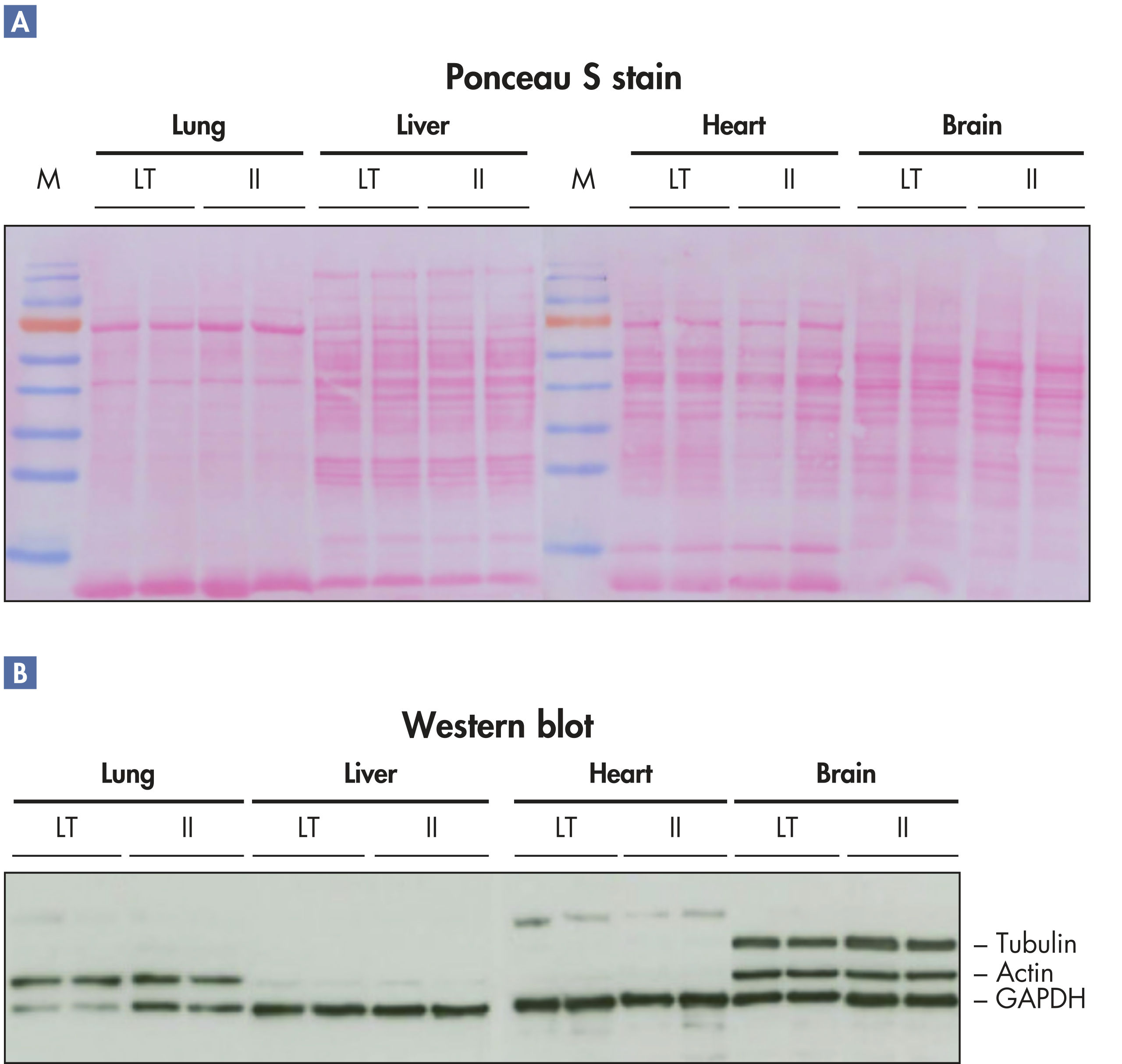
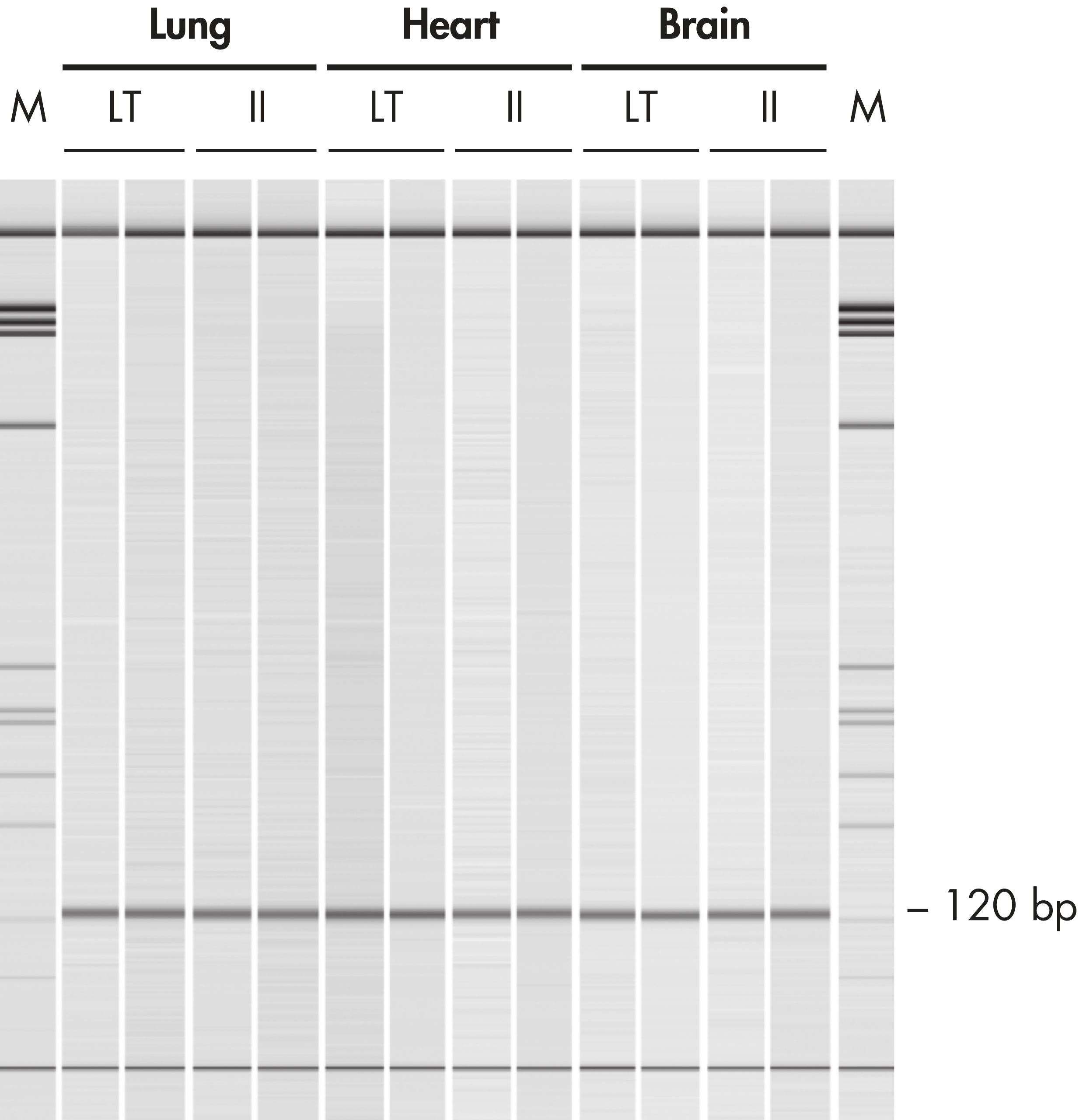
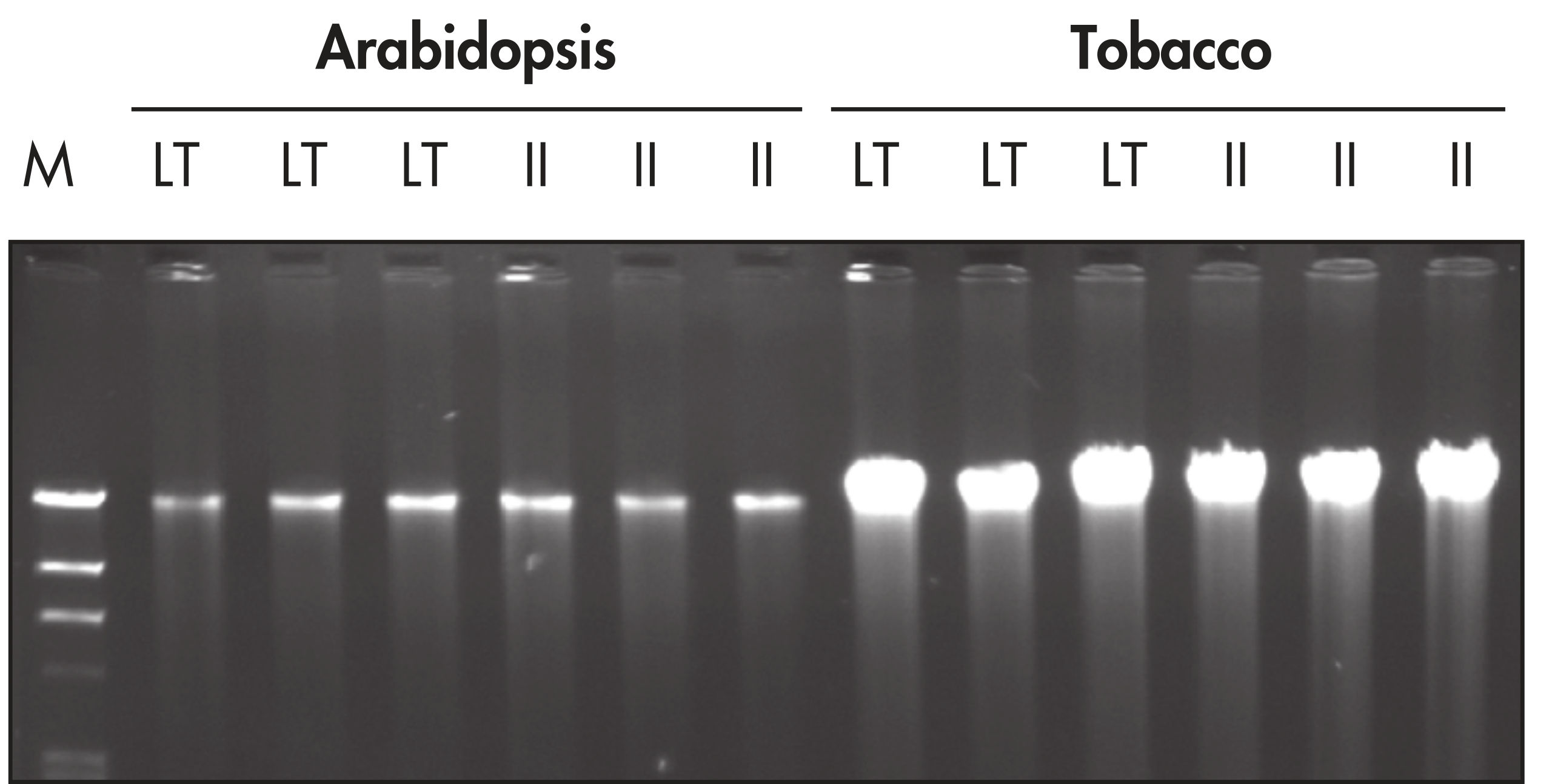
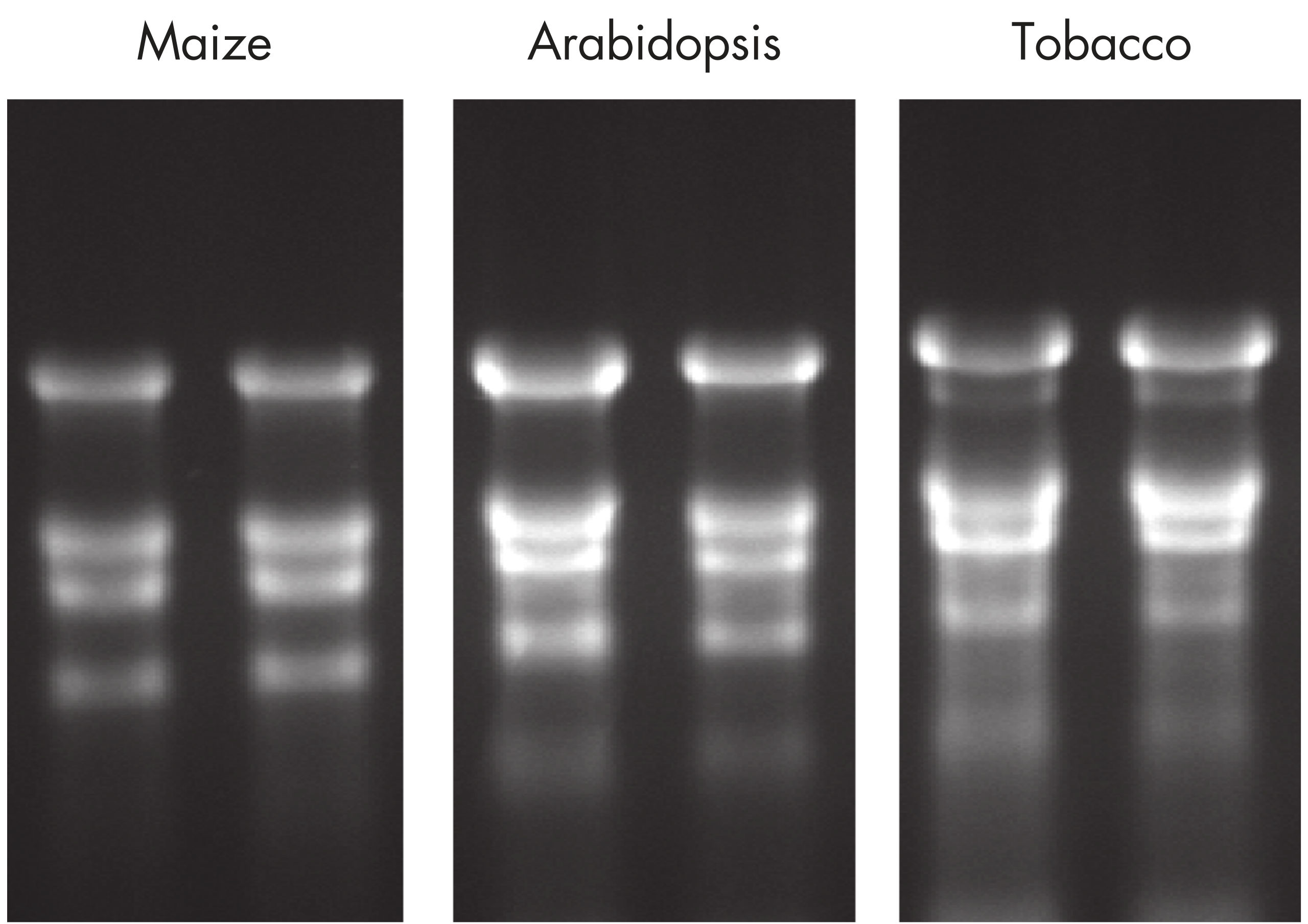
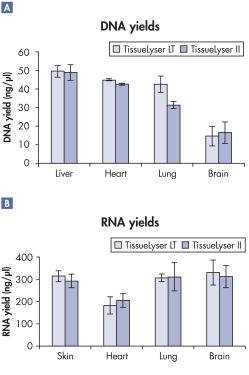
TissueLyser LT可高效破碎人类、动物和植物组织、细菌和酵母,确保后续DNA、RNA和蛋白质纯化中产量重复性好(参见" Effective tissue disruption")。心脏和大脑等难裂解组织,也可使用TissueLyser LT处理。破碎之后DNA、RNA和蛋白质保持完整(参见" Pure RNA with high RIN values"、" Intact protein suitable for all types of analysis"、" High-quality DNA from animal tissues"、" High-quality DNA from plant tissues"和" Intact RNA from plant tissues"),确保下游应用中可靠的分析。

TissueLyser LT的破碎效果与TissueLyser II相当(参见" Effective tissue disruption"、" Intact protein suitable for all types of analysis"、" High-quality DNA from animal tissues"和" High-quality DNA from plant tissues")。

原理

基因分型、基因表达分析和蛋白质组学研究均要求对生物样本进行高效破碎,以确保获得高产的DNA、RNA和蛋白质。TissueLyser LT可快速、彻底的破碎样本,彻底释放生物分子,并可同时对样本进行匀质化,协助后续使用的QIAGEN试剂盒进行纯化(参见下表)。

QIAGEN提供从样本收集到DNA、RNA和蛋白质纯化的完整解决方案,TissueLyser LT是其中关键的组成部分。TissueLyser LT适用于QIAGEN手动样本制备试剂盒(参见下表),也是QIAGEN中通量样本制备和分析自动化解决方案的补充(参见下表)。包括应用QIAGEN离心柱试剂盒自动纯化样品的QIAcube全自动核酸纯化仪,以及对DNA和RNA进行毛细管凝胶电泳的QIAxcel。

QIAGEN纯化试剂盒配合QIAGEN破碎体系
纯化的分析物 样本类型 QIAGEN试剂盒
RNA 容易裂解的组织 RNeasy Kits
RNeasy Plus Kits
RNeasy Protect Kits
RNA 富含纤维的组织 RNeasy Fibrous Tissue Kits
RNA 各种类型的组织 RNeasy Lipid Tissue Kits
RNeasy Universal Tissue Kits
RNA 植物组织 RNeasy Plant Mini Kit
RNA 酵母 RNeasy Kits
RNA 细菌 RNeasy Protect Bacteria Kits
microRNA 各种类型的组织 miRNeasy Kits
DNA 人类组织 QIAamp DNA Kits
DNA 动物组织 DNeasy Blood & Tissue Kits
蛋白质 组织 Qproteome Mammalian Protein Prep Kit
磷蛋白 组织 PhosphoProtein Purification Kit
糖蛋白 组织 Qproteome Glycoprotein Kits
DNA和RNA 组织 AllPrep DNA/RNA Kits
DNA、RNA和蛋白质 组织 AllPrep DNA/RNA/Protein Mini Kit
QIAGEN medium-throughput automation
仪器 目的 通量
QIAcube 纯化DNA、RNA和蛋白质 每批多达12个样本
EZ1 Advanced 从人类样本中纯化DNA和RNA 每批多达6个样本
EZ1 Advanced XL 从人类样本中纯化DNA和RNA 每批多达14个样本
QIAxcel 对DNA片段和RNA进行电泳分析 每批多达96个样本
QIAgility 反应体系构建 每批多达384个样本
Rotor-Gene Q real-time PCR和HRM分析 每批多达100个样本
PyroMark Q24 甲基化和突变分析 每批多达24个样本

程序

TissueLyser LT与TissueLyser LT Adapter配合使用。每次操作可将多达12个2 ml的试管放置于适配器上,每管含一个样本和一颗研磨珠。适配器牢固的固定在TissueLyser LT的活塞上。活塞快速上下移动,使得研磨珠震动、研磨,可同时破碎并匀质化样本。

TissueLyser LT的大小只有15 cm x 27 cm,可放置于任何实验室。由于每个样本都安全的密封在试管内,可用TissueLyser LT同时纯化多个样本,而无交叉污染的风险。破碎新鲜或冷冻样品,可用干冰预先冷却TissueLyser LT Adapter,避免核酸和蛋白质降解(参见" High-quality DNA from plant tissues"和" Intact RNA from plant tissues")。组织可储存于 Allprotect Tissue Reagent(稳定DNA、RNA和蛋白质)或储存于RNAlater RNA Stabilization Reagent(稳定RNA),无需预先冷却适配器。

应用

TissueLyser LT每批可处理多达12个样本,因此是遗传学、转录组学和蛋白质组学研究中获得生物信息的理想解决方案。TissueLyser LT可快速、统一的破碎动物和人类组织、植物组织、细菌和真菌,需与TissueLyser LT Adapter配合使用,TissueLyser LT Adapter可固定12个2 ml的样本管。样本纯化可以手动进行,也可以在QIAcube全自动核酸纯化仪、QIAsymphony SP核酸提取纯化分析仪、QIAxtractor、EZ1 Advanced、EZ1 Advanced XL、BioRobot或BioSprint工作站上自动进行。
辅助数据和图表

规格

特点规格
DimensionsWeight: Approx. 7 kg, Width: 150 mm, Depth: 270 mm, Height: 280 mm, The power supply of the TissueLyser LT is compatible with voltages of 100–240 V
Disruption principleHigh-speed shaking of samples in 2 ml microcentrifuge tubes with stainless steel or glass beads
Protocol/main application on this intrumentSample preparation/sample disruption
FeaturesSimultaneous disruption of up to 12 samples. Compact instrument with small footprint. Coolable adapter to prevent biomolecule degradation. Reproducible results with all sample types. Compatible with all laboratory workflows.
TechnologyBead Mill
Kits compatible with instrumentAll kits for purification of RNA/DNA/protein
Typical run time40 sec - 5 min, depending on protocol

资源

Safety Data Sheets (1)
Certificates of Analysis (1)

常见问答

What are the dimensions of the TissueLyser LT?

The TissueLyser LT has the following weight and dimensions:

  • Weight: Approx. 7.35 kg (net); approx. 9 kg (gross)
  • Width: 150 mm
  • Depth: 270 mm
  • Height: 280 mm
FAQ-2545
Can the TissueLyser LT Adapter be removed for cleaning?

Yes, the TissueLyser LT Adapter can completely be removed from the instrument for cleaning. For more information on how to clean or decontaminate the instrument and the adapter please refer to chapter 6.1 in the TissueLyser LT User Manual on regular maintenance. The TissueLyser LT Adapter must not be autoclaved.


See:  TissueLyser Virtual Demo for a virtual demonstration on how the TissueLyser LT Adapter is used 

FAQ-2546
What sample numbers can be processed on the TissueLyser LT?

Any number of samples between 1 and 12 can be processed on the TissueLyser LT. If processing either 1 sample or 11 samples, load an additional, empty sample tube to balance the TissueLyser LT Adapter. For more information please see the TissueLyser LT Handbook.


See: TissueLyser Virtual Demo for a virtual demonstration on how the TissueLyser LT works.

FAQ-2547
Can the samples on the TissueLyser LT be protected from degradation of nucleic acids or proteins?

Yes, if using fresh samples that are not stabilized with a stabilization reagent (e.g., RNAprotect Tissue Reagent or Allprotect Tissue Reagent) the TissueLyser LT Adapter can be precooled on dry ice. During the disruption process the adapter will passively cool the samples to prevent heating and degradation of nucleic acids or proteins.

See:  TissueLyser Virtual Demo for a virtual demonstration of this precooling process with the TissueLyser LT.


FAQ-2548
Can the sample tubes and the TissueLyser LT Adapter be cooled with liquid nitrogen?

No, cooling with liquid nitrogen would make the sample tubes brittle, resulting in breakage of the tubes during the disruption process. Cooling the adapter and sample tubes on dry ice or in a freezer to approx. -80°C is sufficient to prevent the samples from thawing during the disruption process.


See:  TissueLyser Virtual Demo for a demonstration of cooling the samples on dry ice before using the TissueLyser LT.

FAQ-2549
How long does the sample disruption with the TissueLyser LT take?
Depending on the downstream application and the tissue, the disruption time typically takes 40 sec to 5 min. For more information about the different applications please refer to the TissueLyser LT Handbook.
FAQ-2550
Are there any accessories required for sample disruption with the TissueLyser LT?

Yes, disruption and homogenization are achieved through the beating and grinding effect of beads on the sample material as they are shaken together in 2 mL sample tubes. Sample tubes and different beads can be purchased at QIAGEN (see ordering information in the TissueLyser LT Handbook).


See:  TissueLyser Virtual Demo for a virtual demonstration of this process.

FAQ-2551
What is the typical amount of tissue used for disruption with the TissueLyser LT?
The amount of starting material is dependent on the sample material that should be disrupted. For plant tissues up to 100 mg, and for human or animal tissues 25 to 30 mg, can be disrupted with the TissueLyser LT. When disrupting yeast up to 5 x 10^7 cells, and when disrupting bacteria up to 7.5 x 10^8 cells, can be used. Using more than the recommended amount of starting material will significantly decrease disruption efficiency.
FAQ-2552
What kind of sample tubes are recommended to use with the TissueLyser LT?
The TissueLyser LT has been thoroughly tested with the Sample Tubes RB (2 ml) catalog number 990381. We do not recommend the use of any other tubes with the instrument.
FAQ-2553
What size bead should I use for tougher samples with the TissueLyser LT?

In general, disruption works very well using one stainless steel bead with a diameter of 5 mm. However, for tougher samples we recommend the use of two 7mm stainless steel beads to optimize the effectiveness of disruption.


See:  TissueLyser Virtual Demo for a demonstration on how these beads are used with the TissueLyser LT.

FAQ-2554
The disruption of my sample worked well with the TissueLyser LT, but I am not satisfied with the RNA yield. What do you suggest?
The RNA yield can be improved by choosing a specialized RNeasy Kit, which is optimally adapted to the starting material (e.g., RNeasy Lipid Tissue Kits for brain tissue or RNeasy Fibrous Tissue Kit for heart).
FAQ-2555
How can I improve DNA yields from very tough tissues using the DNeasy Blood & Tissue Kit or the QIAamp DNA Mini Kit?

Efficient DNA isolation requires thorough sample disruption and digestion.

Although the QIAamp and DNeasy procedures requires no mechanical disruption of the tissue sample, the lysis time will be reduced if the sample is ground in liquid nitrogen or mechanically homogenized in advance. For mechanical homogenization, a rotor–stator homogenizer, such as the QIAGEN TissueRuptor, or a bead mill, such as the QIAGEN TissueLyser, can be used.

To improve digestion of tough tissue samples, Proteinase K incubation at 56°C can be performed overnight. DNA yields may be improved by increasing the amount of Proteinase K or by adding additional proteinase K after several hours of digestion.  

FAQ-374