QIAGEN Large-Construct Kit

BAC, PAC, P1 DNA는 최대 50μg까지, 코스미드 DNA는 최대 200μg까지 유전체 DNA가 포함되지 않은 상태로 정제

S_2712_ADNA_Qlargeconstruct_s

✓ 연중무휴 하루 24시간 자동 온라인 주문 처리

✓ 풍부한 지식과 전문성을 갖춘 제품 및 기술 지원

✓ 신속하고 안정적인 (재)주문

QIAGEN Large-Construct Kit (10)

카탈로그 번호 / ID.   12462

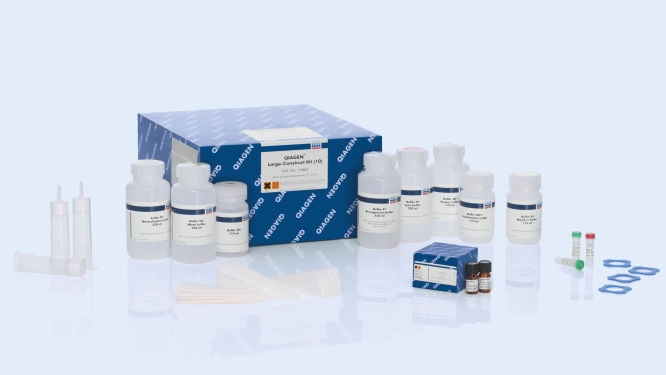
QIAGEN-tip 500 10개, 시약, 완충액, ATP 의존적 엑소뉴클레아제
QIAGEN Large-Construct Kit은/는 분자생물학 분야에 사용하기 위한 것입니다. 이 제품은 질병의 진단, 예방, 또는 치료용이 아닙니다.

✓ 연중무휴 하루 24시간 자동 온라인 주문 처리

✓ 풍부한 지식과 전문성을 갖춘 제품 및 기술 지원

✓ 신속하고 안정적인 (재)주문

특징

  • 유전체 DNA 오염물의 효율적 제거
  • 트랜스펙션에 적합한 고순도의 large-construct DNA
  • 쉽고 간단한 절차

제품 세부 정보

QIAGEN Large-Construct Kit는 대분자량 DNA의 정제를 위해 중력 흐름(gravity flow) 방식의 음이온 교환 컬럼을 제공합니다. 독자적으로 통합된 ATP 의존적 엑소뉴클레아제 처리 단계가 오염된 유전체 DNA를 선택적으로 제거해 줍니다. 정제된 DNA는 2회 CsCl 구배 원심분리로 얻은 DNA와 동등하며, 트랜스펙션에 적합합니다.

성능

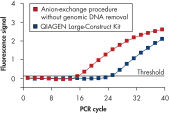
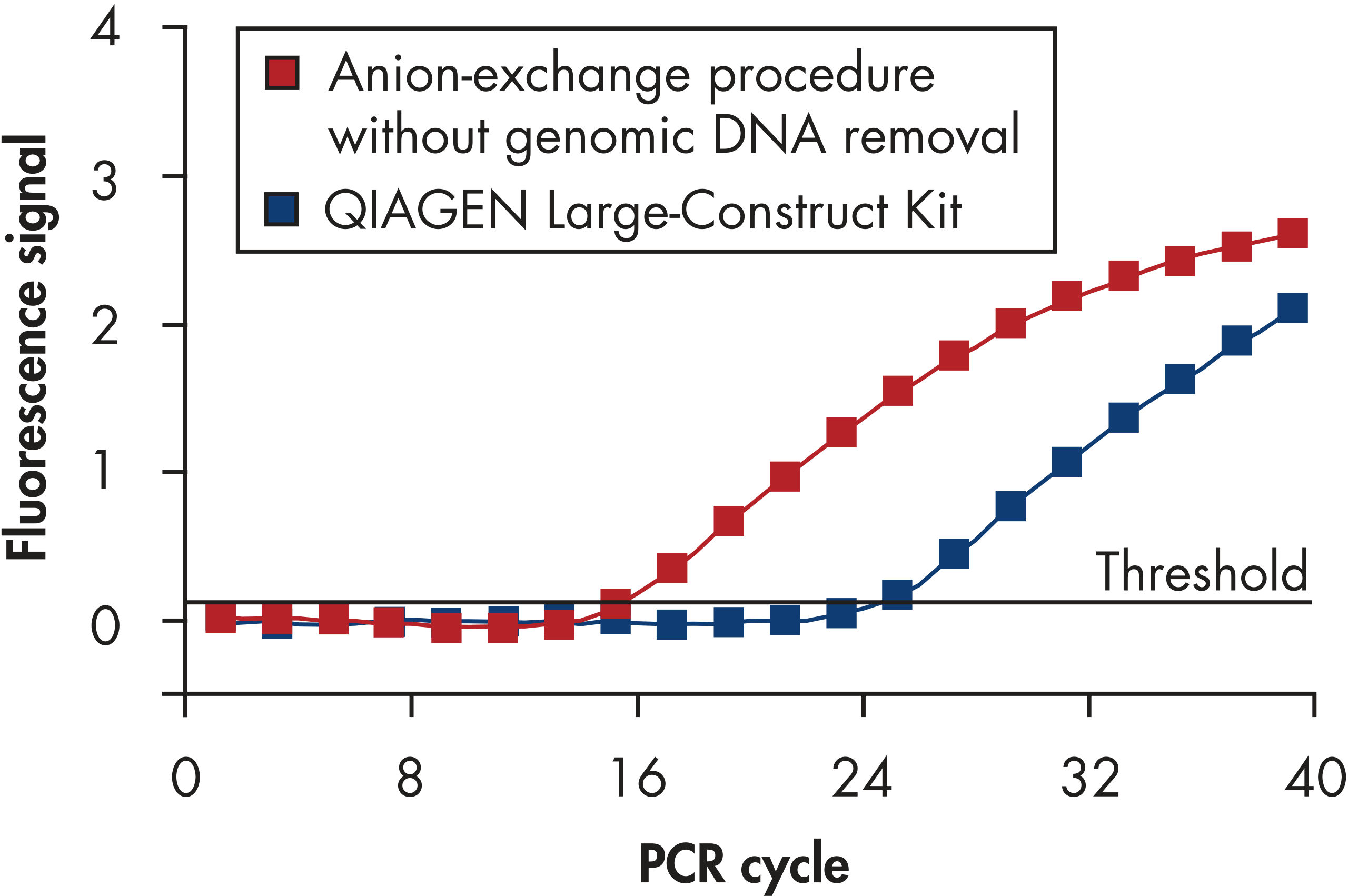
QIAGEN Large-Construct Kit로 정제한 DNA는 유전체 DNA 오염물이 없습니다(그림 ‘ 유전체 DNA의 효율적 제거’ 참고). 이렇게 유전체 DNA를 제거하면 정확하고 신뢰할 수 있는 DNA 정량화를 보장하여 민감한 실험을 명확하고 재현 가능한 조건에서 수행할 수 있습니다.

원리

QIAGEN Large-Construct Kit를 이용한 DNA 정제는 최적화된 중력 흐름(gravity flow) 절차를 사용하며, 이 방법을 통해 얻은 DNA는 일반적으로 사용되는 다른 방법들보다 훨씬 더 높은 순도를 자랑합니다. ATP 의존적 엑소뉴클레아제를 이용한 독자적인 통합 처리로 유전체 DNA를 효과적으로 제거할 수 있습니다.

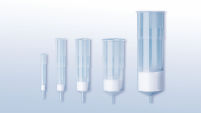
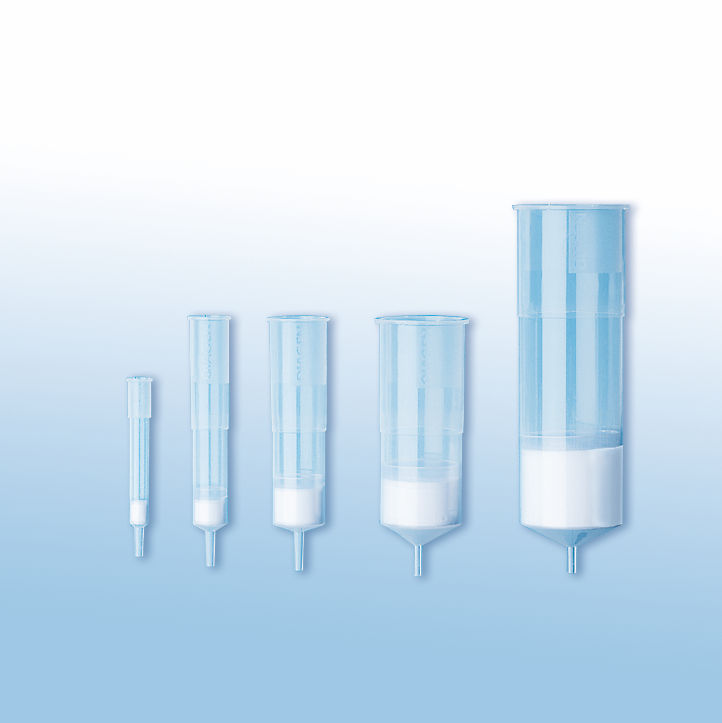
QIAGEN Large-Construct Kit에 포함된 QIAGEN-tips의 독자적인 음이온 교환 수지는 핵산 정제를 위해 특별히 개발되었습니다. 탁월한 분리 특성 덕분에 이 방법으로 얻은 DNA의 순도는 두 번 연속 CsCl 구배 원심분리로 얻은 것과 같거나 이보다 더 우수합니다. 미리 채워진 QIAGEN-tips(그림 ‘ 음이온 교환 팁’ 참고)는 중력의 힘으로 작동하며 건조해지지 않아 플라스미드 준비에 필요한 수작업 시간이 최소화됩니다. QIAGEN의 전체 플라스미드 정제 시스템은 페놀, 클로로포름, 브롬화 에티듐(ethidium bromide), CsCl과 같은 유해 물질을 사용하지 않아 실험자와 환경에 미치는 위험을 최소화했습니다.

절차

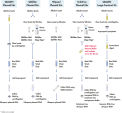
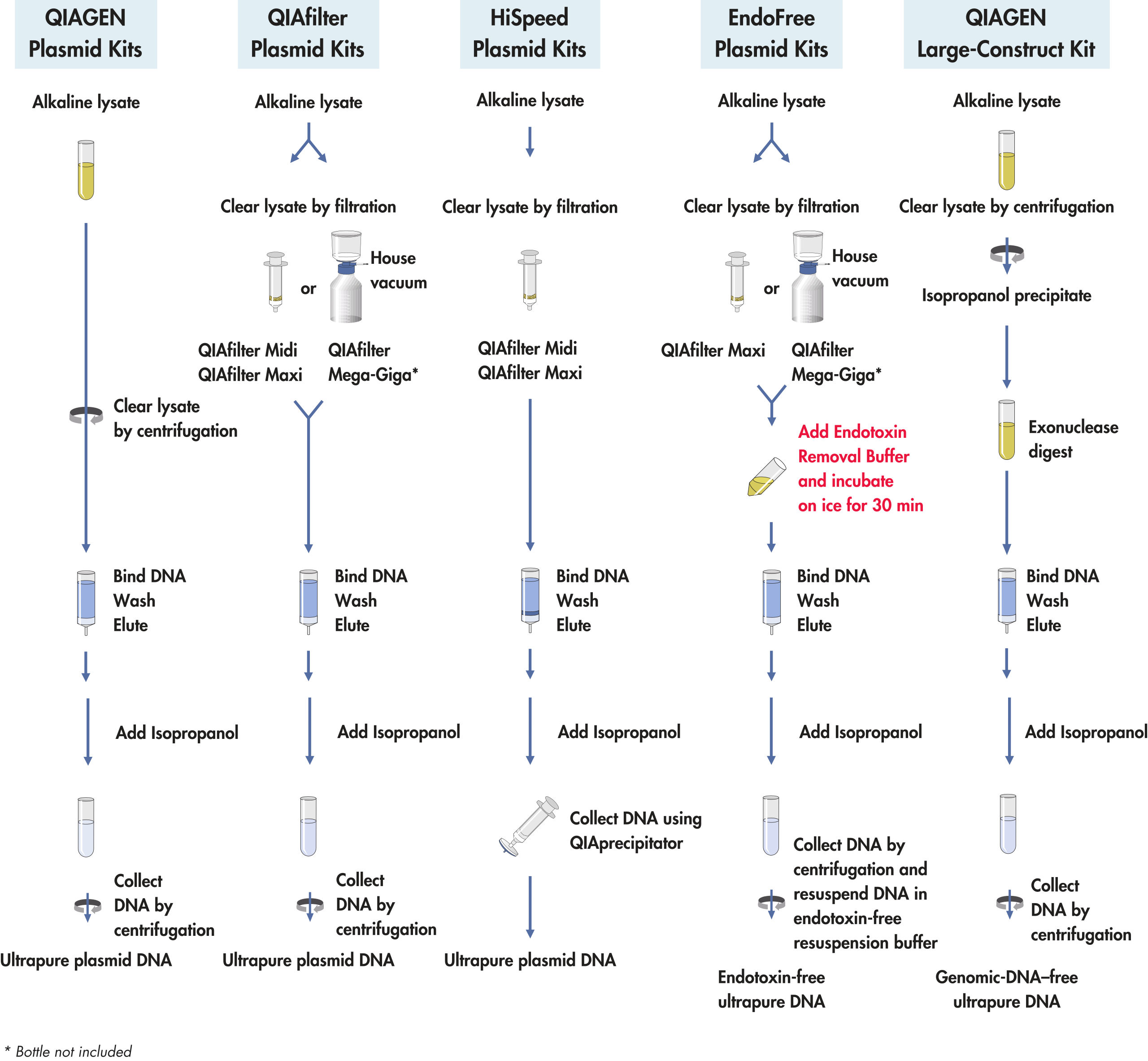
최대 500mL의 배양액을 알칼리 용해한 후(순서도 ‘ QIAGEN 플라스미드 키트 절차’ 참고), 키트에 포함된 ATP 의존적 엑소뉴클레아제를 사용한 독자적인 통합 절단 단계를 적용하여 오염된 유전체 DNA와 절단되거나 손상된 construct DNA를 선택적으로 제거합니다. 그런 다음 샘플을 음이온 교환 팁에 로드하여 적절한 저염 및 pH 조건에서 플라스미드 DNA가 선택적으로 결합되도록 합니다. RNA, 단백질, 대사산물, 기타 저분자량 불순물은 중간 농도의 염 용액으로 세척되어 제거됩니다. 유전체 DNA가 없는 순수한 플라스미드 DNA가 고농도 염 완충액에서 용출됩니다. DNA는 아이소프로판올 침전법으로 농축 및 탈염되고, 원심분리로 회수됩니다.

응용 분야

QIAGEN Large-Construct Kit로 정제된 DNA는 다음을 포함한 모든 응용 분야에 적합합니다.
  • 서브클로닝 및 샷건 라이브러리 제작
  • large-construct DNA의 직접 염기서열 분석
  • 트랜스펙션

지원되는 데이터 및 수치

사양

특징사양
Plasmid typeBAC, PAC, P1, 코스미드 DNA
Applications서브클로닝, 트랜스펙션, 염기서열 분석 등
Processing수동(원심분리)
Culture volume/starting material배양액 부피 <500mL
Samples per run (throughput)실험당 샘플 1개
Technology음이온 교환 기술
Time per run or prep per run280분
Yield<150ug

리소스

빠른 시작 프로토콜 (2)
안전보건자료 (1)
Download Safety Data Sheets for QIAGEN product components.
Safety Data Sheets (1)
Certificates of Analysis (1)

출판물

Functional characterization of Kaposi's sarcoma-associated herpesvirus ORF45 by bacterial artificial chromosome-based mutagenesis.
Zhu FX; Li X; Zhou F; Gao SJ; Yuan Y;
J Virol; 2006; 80 (24):12187-96 2006 Oct 11 PMID:17035322
Autographa californica multiple nucleopolyhedrovirus nucleocapsid assembly is interrupted upon deletion of the 38K gene.
Wu W; Lin T; Pan L; Yu M; Li Z; Pang Y; Yang K;
J Virol; 2006; 80 (23):11475-85 2006 Sep 20 PMID:16987976
Identification of in vivo-induced bacterial protein antigens during human infection with Salmonella enterica serovar Typhi.
Harris JB; Baresch-Bernal A; Rollins SM; Alam A; LaRocque RC; Bikowski M; Peppercorn AF; Handfield M; Hillman JD; Qadri F; Calderwood SB; Hohmann E; Breiman RF; Brooks WA; Ryan ET;
Infect Immun; 2006; 74 (9):5161-8 2006 Sep PMID:16926408
Molecular characterization of a diagnostic DNA marker for domesticated tetraploid wheat provides evidence for gene flow from wild tetraploid wheat to hexaploid wheat.
Dvorak J; Akhunov ED; Akhunov AR; Deal KR; Luo MC;
Mol Biol Evol; 2006; 23 (7):1386-96 2006 May 4 PMID:16675504

FAQ

Is plasmid DNA purified with QIAGEN Plasmid Purification Kits suitable for in vitro transcription?

Plasmid preparations are free of any detectable proteins or other contaminants when purified using QIAGEN's anion-exchange kits according to the recommended protocols. DNA purified using QIAGEN Plasmid Kits, QIAfilter Plasmid Kits, or EndoFree Plasmid Kits gives excellent results with in-vitro transcription experiments.

Although a high level of RNase A is employed at the beginning of the procedure, it is removed efficiently by potassium dodecyl sulfate precipitation and subsequent washing with Buffer QC. It is possible, although not necessary, to omit RNase A from the procedure when purifying DNA for in vitro transcription. In this case, increasing the volume of Wash Buffer QC is recommended (e.g., for a Midi preparation on a QIAGEN-tip 100, use at least 2x 30 ml of Buffer QC instead of 2x 10 ml).

FAQ-1
What are the recommended culture and buffer volumes for a very low-copy plasmid?

Very low-copy plasmids and cosmids of less than 10 copies per cell often require large culture volumes to yield significant amounts of DNA. The recommended conditions below are suitable for QIAGEN-tip 100 or QIAGEN-tip 500, and use centrifugation to clear lysates rather than QIAfilter Cartridges, due to the large culture volumes. After alkaline lysis, there is an additional isopropanol precipitation step to decrease the amount of lysate before DNA is bound to the QIAGEN-tip. Please follow the protocol for 'Very Low-Copy Plasmid/Cosmid Purification Using QIAGEN-tip 100 or QIAGEN-tip 500' in the QIAGEN Plasmid Purification Handbook. Culture volumes and tip sizes are selected to match the quantity of expected DNA with the capacity of the QIAGEN-tip.


Parameters for purification of very low-copy plasmids and cosmids of less than 10 copies per cell


Required DNA yield* Up to 100 ug Up to 500 ug

Culture volume

500 ml 2.5 liters
Buffer P1 20 ml 125 ml
Buffer P2 20 ml 125 ml
Buffer P3 20 ml 125 ml

QIAGEN-tip

QIAGEN-tip 100

QIAGEN-tip 500

Buffer QBT (for equilibrating) 4 ml 10 ml
Buffer QC (for washing) 2x 10 ml 2x 30 ml
Buffer QF (for elution) 5 ml 15 ml

* For very low-copy plasmids, expected yields are 20–100 µg for the QIAGEN-tip 100, and 100–500 µg for the QIAGEN-tip 500.

† Volumes of lysis Buffers P1, P2, and P3 are higher than in the standard protocols in order to efficiently lyse the large number of cells required for purification of very low-copy plasmids and cosmids.

FAQ-168
What is the RNase A concentration and composition of Buffer P1?

The composition of Buffer P1 is:

  • 50 mM Tris·Cl, pH 8.0
  • 10 mM EDTA
  • 100 µg/ml RNase A

After RNase A addition, the buffer should be stored at 2–8°C.

Buffer P1 is the resuspension buffer used in a variety of QIAGEN kits for plasmid DNA purification. Details on buffer preparation and storage are presented in Appendix B of the QIAGEN Plasmid Purification Handbook.

FAQ-198
What is the composition of Buffer P2?

The composition of Buffer P2 is:

  • 200 mM NaOH
  • 1% SDS (w/v)

It should be stored at room temperature. Buffer P2 is the lysis buffer used in a variety of QIAGEN kits for plasmid DNA purification. Details on buffer preparation and storage are presented in Appendix B of the QIAGEN Plasmid Purification Handbook.

FAQ-203
What is the white insoluble precipitate in my resuspended plasmid DNA pellet?

White insoluble material in the resuspended plasmid DNA pellet indicates carry-over of salts and/or carbohydrates. Ensure that isopropanol is used at room temperature for precipitation. Some bacterial strains, such as TG1 and JM100, naturally produce a high level of carbohydrates. However, carbohydrate contamination may also be observed when using other strains. The most common cause of this problem is over-growth of bacterial cultures. To avoid this, closely follow the guidelines for Plasmid DNA Preparation in the Handbook that was provided with the respective QIAGEN Plasmid Kit.

Useful hints and information on optimizing plasmid preparations can be found at the QIAGEN Plasmid Resource Center.

FAQ-352
Can I eliminate RNase A from buffer P1 for my plasmid preparation to obtain RNase-free DNA for in-vitro transcription?
No, RNase A should not be omitted from buffer P1. It is required to prevent RNA contamination of the purified plasmid DNA. RNase A will not interfere with downstream in-vitro transcription experiments, since it will be efficiently removed during the plasmid purification procedures using QIAGEN Plasmid Kits.
FAQ-366
What is the composition of buffer QC?

Buffer QC is the wash buffer used in QIAGEN Plasmid Kits for plasmid purification and in QIAGEN Blood & Cell Culture kits.

The composition of Buffer QC is:

  • 1.0 M NaCl
  • 50 mM MOPS, pH 7.0
  • 15% isopropanol (v/v)


To make 1 liter of solution, dissolve 58.44 g NaCl, 10.46 g MOPS (free acid) in 800 ml distilled water. Adjust the pH to 7.0 with NaOH. Add 150 ml pure isopropanol. Adjust the volume to 1 liter with distilled water. Store at 15–25°C.

FAQ-412
What is the composition of buffer QF?

Buffer QF is the elution buffer used in QIAGEN Plasmid Kits for plasmid purification and in QIAGEN Blood & Cell culture kits.

The composition of Buffer QF is:

  • 1.25 M NaCl
  • 50 mM Tris-Cl, pH 8.5
  • 15% isopropanol (v/v)


To make 1 liter of solution, dissolve 73.05 g NaCl and 6.06 g Tris base in 800 ml distilled water. Adjust the pH to 8.5 with HCl. Add 150 ml pure isopropanol. Adjust the volume to 1 liter with distilled water. Store at 15–25°C

FAQ-413
What is the composition of buffer TE?

The composition of Buffer TE is:

  • 10 mM Tris·Cl, pH 8.0
  • 1 mM EDTA

Buffer TE is a commonly used DNA resuspension and storage buffer. It is supplied in QIAGEN's Endofree Plasmid Kits, and used for plasmid DNA resuspension in combination with other QIAGEN Plasmid Kits. Details on buffer preparation and storage are presented in Appendix B of the QIAGEN Plasmid Purification Handbook.

FAQ-416
What is the composition of buffer P3?

The composition of Buffer P3 is:

  • 3.0 M potassium acetate, pH 5.5

Buffer P3 is the neutralization buffer used in QIAGEN's anion-exchange based Kits for plasmid preparation. Details of buffer preparation and storage are presented in Appendix B of the QIAGEN Plasmid Purification Handbook.

FAQ-418
Why is my plasmid DNA yield low?

Low yields of plasmid DNA can be caused by a number of different factors. The most common causes for low yield are poor culturing conditions and plasmid propagation, excessive amounts of starting material resulting in insufficient bacterial cell lysis and column overloading. When working with the anion-exchange based QIAGEN Plasmid Purification Kits, extra care is required during the isopropanol precipitation step, as the glassy DNA pellet may be difficult to see, and tends to be only loosely attached to the side of the tube.

We strongly recommend to review the information provided on our Plasmid Resource Page in the section 'Optimal results with QIAGEN plasmid kits', as it provides useful background information on growing bacterial cultures and general considerations for optimal results. It is also necessary to follow the instructions in the relevant protocols precisely to ensure the best plasmid yield and quality.

To determine at what stage of the procedure any problem occurred, save fractions from different steps of the purification procedure, and analyze by agarose gel electrophoresis. For a detailed description on how to run and interpret an analytical gel, please see Appendix A in the QIAGEN Plasmid Purification Handbook: "Agarose Gel Analysis of the Purification Procedure", or visit the QIAGEN Plasmid Resource Center.


FAQ-768
What is the advantage of running an analytical gel with fractions of my plasmid preparation?

Running fractions saved from each step in the plasmid preparation procedure on an agarose gel enables monitoring the performance of each crucial step in the protocol. If the plasmid DNA is of low yield or quality, the samples can be analyzed to determine at what stage of the purification procedure the difficulty occurred.

Aliquots can be taken from the cleared lysate and the flow-throughs as indicated in the relevant protocols, precipitated with isopropanol and resuspended in a small volume of TE buffer.

Please see the Troubleshooting Section of the QIAprep Miniprep Handbook and Appendix A of the QIAGEN Plasmid Purification Handbook for instructions, and a picture and legend explaining the typical results you may see. You can also access this information on our Plasmid Resource Pages.

FAQ-769
Do you sell the ATP-Dependent Exonuclease of the QIAGEN Large-Construct Kit separately?
Sorry, but we only sell the ATP-Dependent Exonuclease as a part of the QIAGEN Large-Construct Kit.
FAQ-825
What to do if cell clumps are present after Buffer P2 addition when using LyseBlue Reagent?

If cell clumps are present after adding Buffer P2 to your samples when using a QIAGEN Plasmid Purification Kit in combination with LyseBlue Reagent, you have two options:

  • pipet the cell clumps up and down for resuspension
  • transfer any clumps to a separate tube, add Buffer P1 and mix vigorously for resuspension, add Buffer P2 for lysis, and subsequently transfer the lysed material back to combine it with the rest of the original solution

Note: Avoid incubation times longer than 5 minutes in Buffer P2 as this will irreversibly denature plasmid DNA. In the scenario above, Buffer P3 may need to be added to portions of the sample, which can be subsequently combined once resuspension, lysis and neutralization of all fractions is complete.

FAQ-861
Why would clumps occur following the addition of Buffer P2 when using LyseBlue Reagent in a plasmid preparation?

Clumps that occur after addition of Buffer P2 in a bacterial lysate containing LyseBlue reagent indicate poor resuspension of the bacterial cell pellet in Buffer P1. This handling error leads to inefficient cell lysis, and incomplete precipitation of SDS, cell debris, and genomic DNA. When resuspending the cell pellet, vortexing longer or resuspending the pellet by pipetting up and down can help.

If cells have been resuspended properly in P1, “brownish areas” after P2 addition just indicate poor mixing of P1 and P2. To overcome this, continue mixing the solution by inverting it gently until a homogeneous blue suspension is achieved.

FAQ-862
Do you have a protocol for the isolation of BAC DNA using the QIAGEN Plasmid Midi Kit?

Yes, please follow the User-Developed Protocol 'Isolation of BAC DNA using the QIAGEN Plasmid Midi Kit' (QP01).  However, we recommend that the QIAGEN Large-Construct Kit be used for the purification of BAC DNA as it contains an exonuclease buffer for the removal of gDNA.

FAQ-881